
2026 Autumn Vol.82
Confronting History
Exhibition Spotlight
Sharing Memories and Impressions of the Night: A Regional Collaborative Touring Exhibition
《Gongju, Korea After Dark: Nightscapes of Modern Times》
"Korea After Dark: Nightscapes of Modern Times," the special exhibition at the National Museum of Korean Contemporary History that illuminated the dynamic nature of Korea’s nights, has been adapted as a regional collaborative touring exhibition titled "Gongju, Korea After Dark: Nightscapes of Modern Times" with a view to presenting a novel experience to local residents—including the people of Chungcheongnam-do—at the Chungcheongnam-do Museum of History.
Written by Lee Sang-hyun
(Curator, Chungcheongnam-do Museum of History)
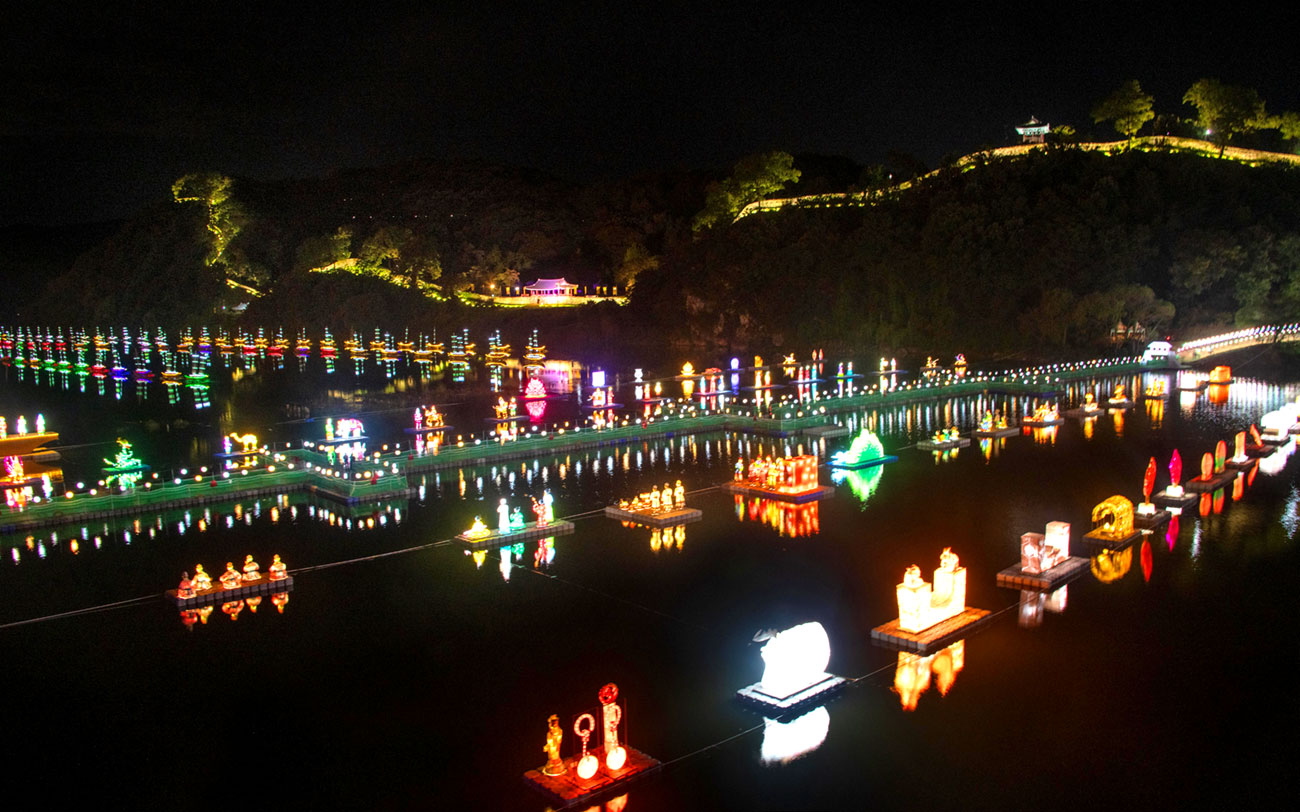 ▲Night view of Gongsanseong Fortress during the Baekje Cultural Festival
The special exhibition “Korea After Dark: Nightscapes of Modern Times” at the National Museum of Korean Contemporary History illuminated our dynamic nightlife reclaimed after the lifting of the nighttime curfew. It was an exhibition where we could also retrace the process through which the night that had once been confined by controls and darkness for a long time was expanded into a "time for everyone" that everyone can enjoy. The regional collaborative touring exhibition “Gongju, Korea After Dark: Nightscapes of Modern Times” builds upon the core framework of the original exhibition presented at the National Museum of Korean Contemporary History while adding the unique character of the region. In particular, it weaves together the evocative nightscapes of Gongju with poignant stories from Chungcheong-do during the curfew era, delivering a narrative unique to this touring exhibition.
Part 1. A Modern History of the Night — From Control to Liberation
Let us explore how the night in Korea has changed, tracing its evolution from the dark, quiet nights of the Joseon Dynasty to the present day, where dazzling lights envelop the streets. During the reign of King Gojong, electric lights were introduced to illuminate Joseon’s night streets, and the nighttime curfew was lifted. However, with the onset of the Japanese colonial period, the night once again became a time of control and surveillance. Shortly after the joy of liberation in 1945, a nighttime curfew was imposed by the US Army Military Government, and by the time of the curfew's total abolition in 1982, diverse forms of nighttime culture emerged in response to the curfew. A particularly amusing incident occurred near the Jocheon Stream, which flows along the border between Chungcheongnam-do and Chungcheongbuk-do. When police crackdowns began—signaled by the midnight curfew siren—people drinking in Jochiwon would hurry across the stream into Chungcheongbuk-do territory. This was because Chungcheongbuk-do, being an inland region, was exempt from the nighttime curfew. Panting as they fled into Chungcheongbuk-do, some would even playfully stick out their tongues at the Chungcheongnam-do police officers pursuing them from the opposite bank. It was a vivid scene of ordinary people seizing a moment of freedom at night by taking advantage of the difference in curfew regulations across the provincial border, even amidst strict controls. With the complete lifting of the nighttime curfew in 1982, Korea’s nights gradually became filled with diverse cultural activities that could be enjoyed as part of everyday life.
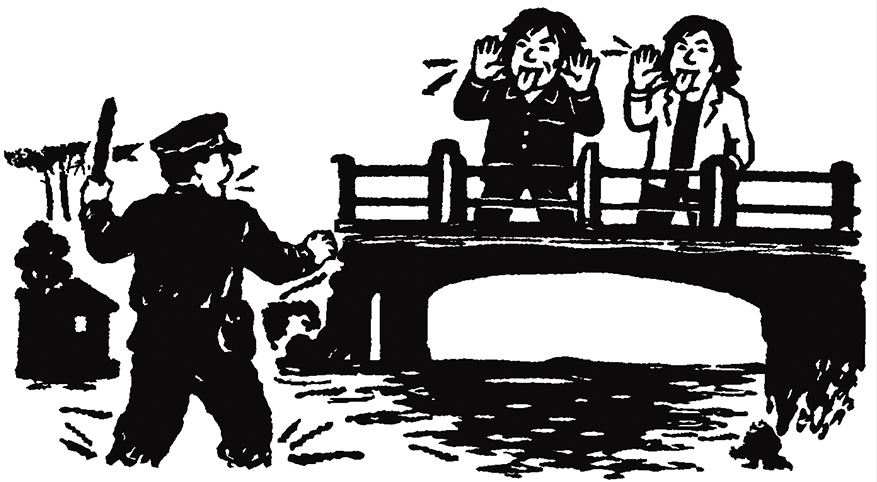 ▲Jocheon Bridge Episode
Infrastructure supporting safe and convenient nighttime activity—such as late-night transportation and public safety measures—was established, making it easy to enjoy facilities like cafes and theaters well into the night. Additionally, a variety of leisure and cultural activities have emerged that can be enjoyed after dark, such as extended evening hours at historic palaces. In the case of Gongju, the Baekje Cultural Festival—which began in 1955—was finally freed from such restrictions with the lifting of the nighttime curfew, splendidly blossoming into a festival for everyone that extends late into the night.
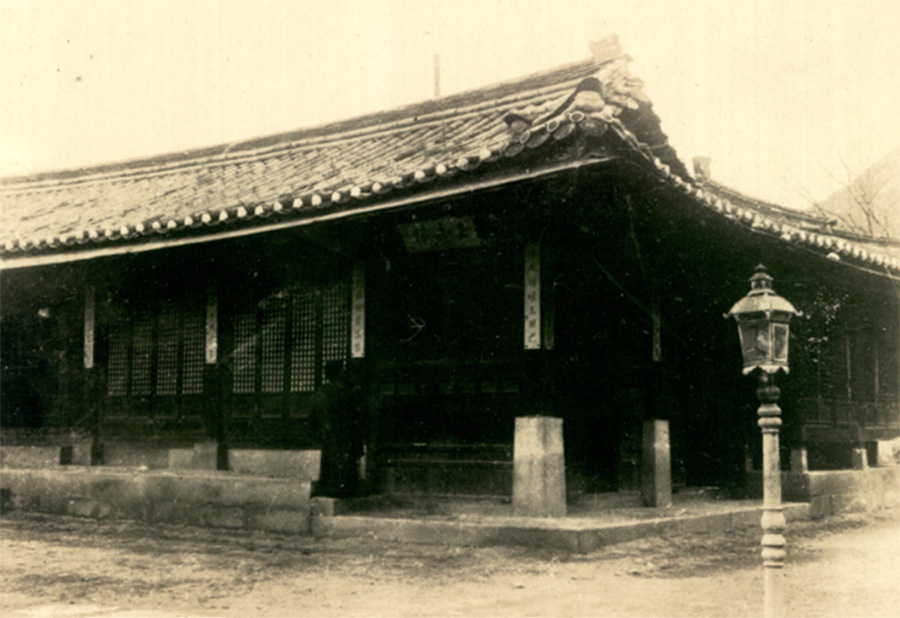 ▲Lantern in front of Geoncheonggung Palace
Part 2. The Lyricism of Night — The Unchanging Heart of the Night
As the noise of the world subsides and a quiet darkness settles in, thoughts and emotions emerge that differ from those of the day. One might feel melancholy for no apparent reason or find oneself overcome by emotion, pouring out sentimental
words on social media. This "nocturnal sentiment" is not unique to the present day. Whether in eras when the night was strictly regulated or in times when such controls were lifted, people have always tossed and turned over their worries or
penned love-filled letters while thinking of their significant others. While the landscape of the night has changed drastically over time, the emotions it evokes remain constant. Through the traces left by people of different eras, we can see
that our nights today are not so different from theirs but are connected by the same emotions.
We invite you to take a leisurely stroll through the nocturnal scenes of the past displayed in the exhibition, and we hope that, as you conclude your journey, the ordinary nights that return to us each day will feel a little warmer and take
on new meaning.
Period : Until November 15, 2026
Location : Special Exhibition Hall, 1st Floor, Chungcheongnam-do Museum of History
Confronting History
A Closer Look at Hangeul Day
Hangeul Day, which first took off in 1926, and Hangeul, which will continue to soar with us toward infinity.
《From 1926 to Infinity》
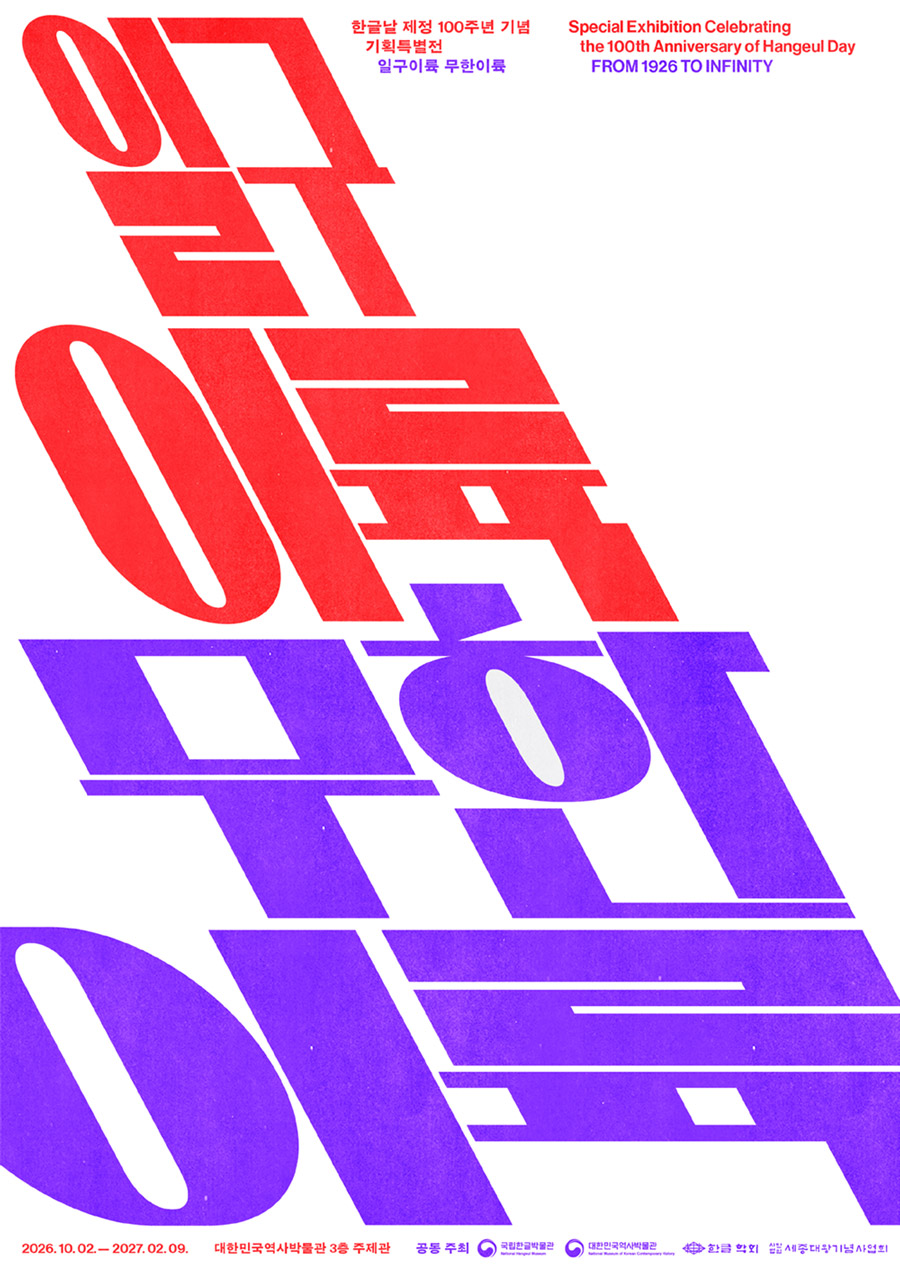
Hangeul Day, which originated in 1926 to commemorate the 480th anniversary of the promulgation of “Hunminjeongeum”, has now reached its centennial. To commemorate this centenary, the National Hangeul Museum and the National Museum of Korean Contemporary History have organized a special exhibition titled “From 1926 to Infinity”. We invite you to explore “From 1926 to Infinity”, an exhibition that reflects on the significance of Hangeul in our lives today through the diverse stories embedded in the history of Hangeul Day.
Written by Yoon Ji-hyun
(Curator, Exhibition Operations Division, National Hangeul Museum)
From ‘Gagya Day’ to the National Holiday of Hangeul Day
For many, Hangeul Day is a familiar annual national holiday, marked in red on the calendar. However, since it has always been close to us, we may not have had the opportunity to reflect deeply upon its significance. Hangeul Day went through several pivotal moments before becoming the national holiday we know today. This exhibition presents fascinating stories behind the birth and evolution of Hangeul Day, drawing on rare materials from the 1910s as well as articles from historical newspapers and magazines.
Visitors can explore the first Hangeul Day (then known as "Gagya-nal") commemoration ceremony held in 1926, the discovery of the “Hunminjeongeum” (explanatory manuscript)—which was the decisive factor in establishing October 9 as the date—and the process that led to its designation as a national holiday.
Additionally, through exhibits that offer new ways to experience records related to Hangeul Day, visitors can discover the origins and enduring significance of Hangeul Day.
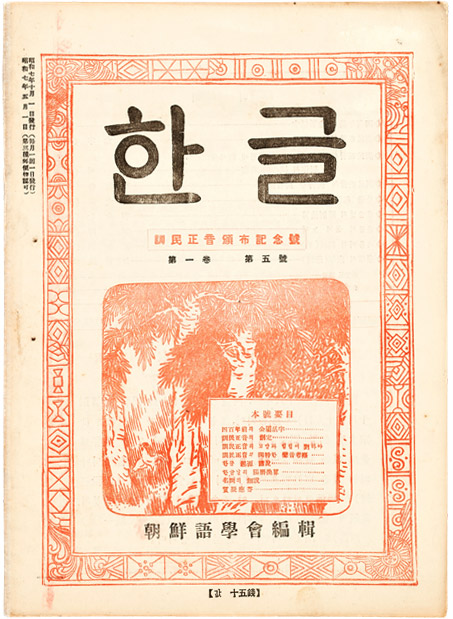 ▲
“Hangeul” Vol. 1, No. 5, featuring an article on how to calculate the date of Hangeul Day according to the solar calendar; National Museum of Korean Contemporary History.
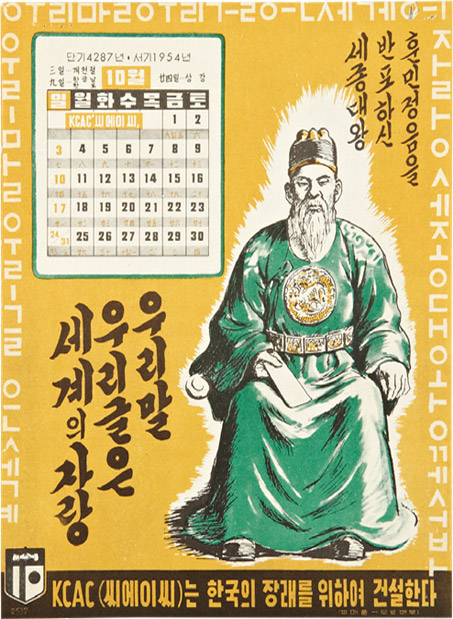 ▲
October 1954 calendar featuring King Sejong the Great and Hangeul; National Museum of Korean Contemporary History
"Gagya”, the First Name of Hangeul Day and "Hangeul"
"Gagya”, the first name of Hangeul Day was once an alternative name for Hangeul used in the past. The reason is that ga and gya come first in the Hangeul syllable sequence of "ga-gya-geo-gyeo..." The exhibition introduces the Hangeul culture related to the origins of the term "Gagya,“ and the process through which the name "Hangeul" became established. Through various materials used in educational settings such as “Hunmongjahoe”, which was the root of the "ga-gya-geo-gyeo..."syllable arrangement, and Hangeul syllable tables that played a pivotal role in the spread of Hangeul during the 19th century, the exhibition demonstrates how deeply Hangeul was woven into the fabric of our daily lives. It also traces the history of the Korean Language Society , which played a crucial role in establishing the name "Hangeul" and preserving our precious language through materials such as the manuscript for the Treasure “Comprehensive Dictionary of the Korean Language” and content introducing 33 individuals associated with the "Korean Language Society Ordeal Incident".
Hangeul, into an infinite future
The exhibition hall features a space where visitors can explore people's sentiments and actions regarding Hangeul through a century's worth of records related to Hangeul Day. Hangeul, which served as a vital bond preserving the identity of our people and uniting the nation during the Japanese colonial era when we were deprived of our national sovereignty, has expanded into diverse fields today, establishing itself as a medium for self-expression and a cultural phenomenon enjoyed by people around the world. It has been a century since we began commemorating Hangeul on a dedicated day. This exhibition offers an opportunity to examine the significance of our writing system, Hangeul, in the present day and the relationship it will forge with people in the future. Visitors can enjoy various experiences—including interview videos sharing personal stories about the relationship between individuals and Hangeul—that enable them to reflect on their feelings toward Hangeul and imagine its future. The thoughts, emotions, and actions we display toward Hangeul today may well serve as a guide for how future generations celebrate Hangeul Day because the future relationship between Hangeul and its users rests in the hands of those who refine and use Hangeul in their daily lives. We invite you to visit the exhibition “From 1926 to Infinity” and commemorate the centennial of Hangeul Day in a meaningful way.
Period : October 2, 2026 – February 9, 2027
Location : Thematic Gallery, 3rd Floor, National Museum of Korean Contemporary History
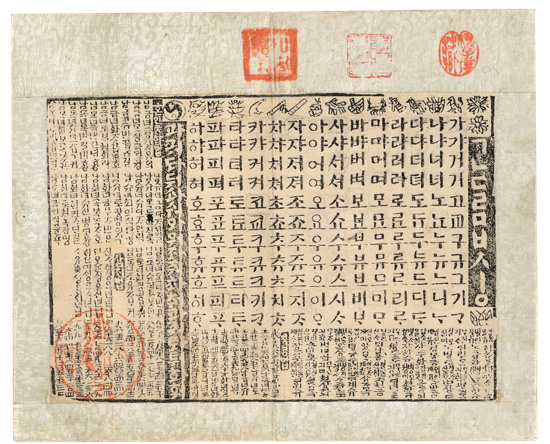 ▲
Woodblock-printed Hangeul syllable chart, National Hangeul Museum
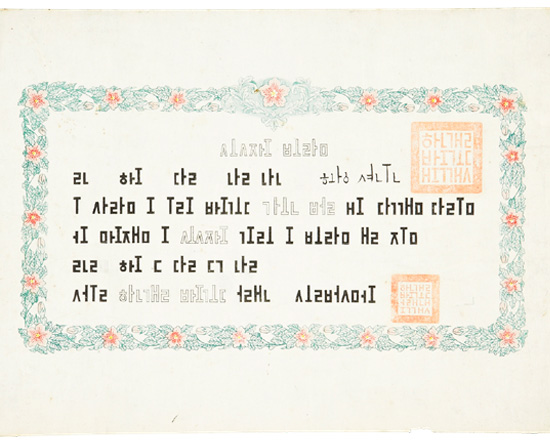 ▲
Certificate of Excellence “Sotjae Boram” from the Hangeul Baegot Secondary Course, awarded to Hwang Seon-un; National Museum of Korean Contemporary History
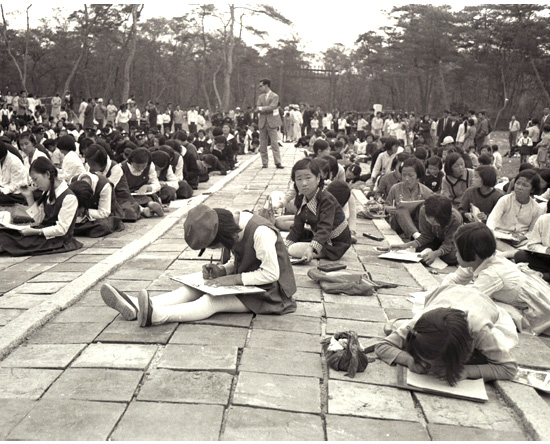 ▲Hangeul Day commemorative writing contest held in Yeoju in 1970; Yeoju Museum
News We Share Together
Modern and Contemporary History in Comics
Daebak Today
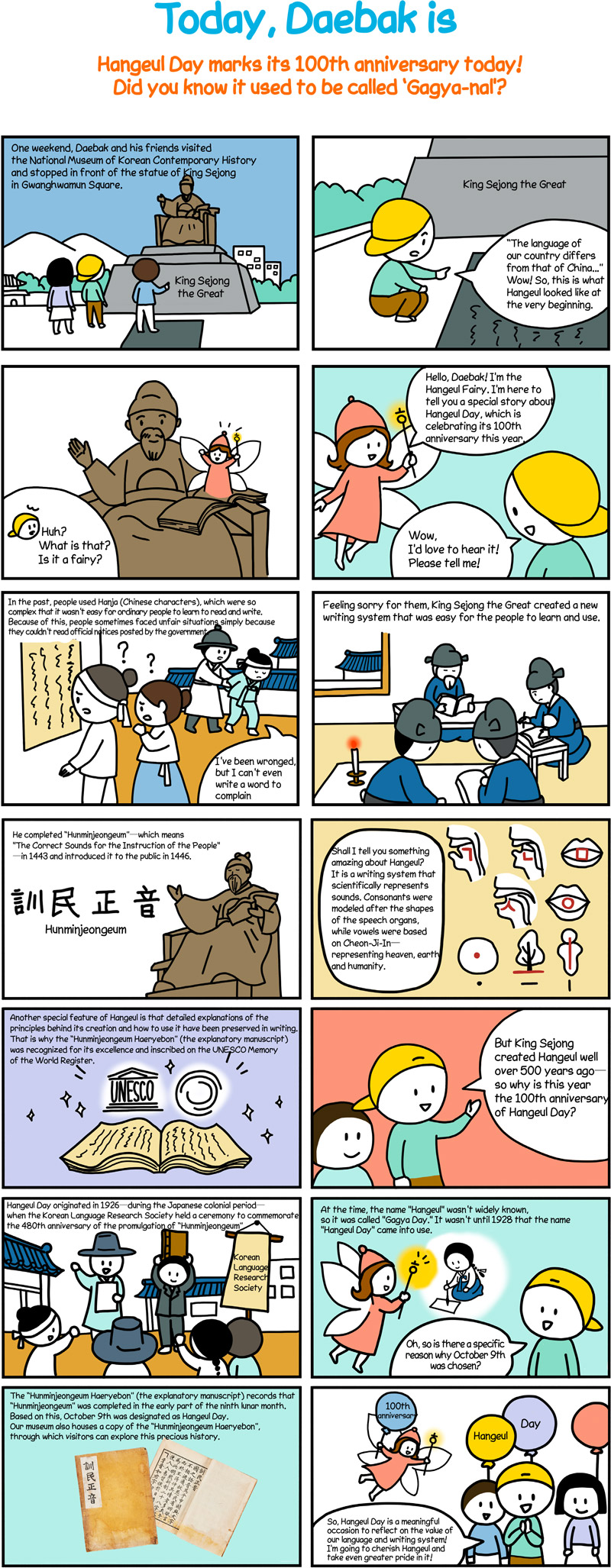
Hangeul Day marks its 100th anniversary today! Did
you know it used to be called ‘Gagya Day’?
News We Share Together
News from the National Museum of Korean Contemporary History
News
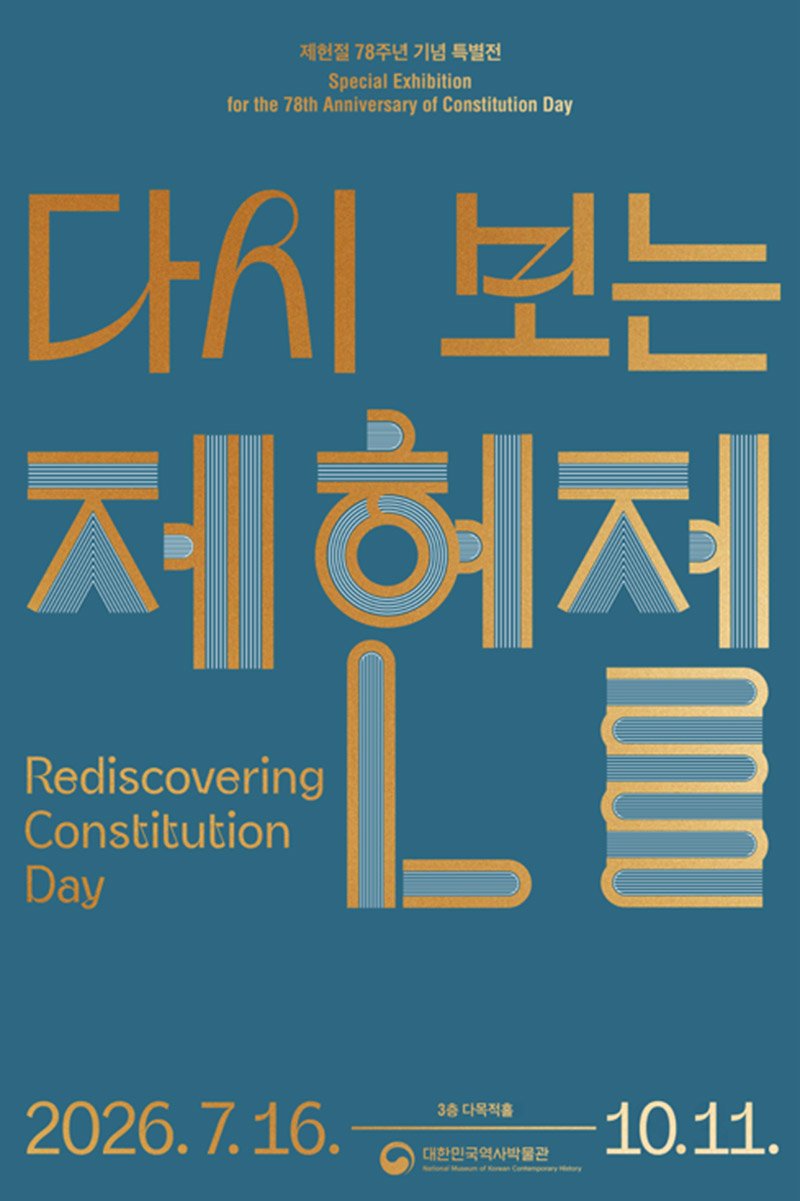
Exhibition Extension: Special Exhibition Commemorating the 78th Anniversary of Constitution Day
— “Rediscovering Constitution Day."
Thanks to the enthusiastic response from visitors, the National Museum of Korean Contemporary History is extending the run of its special exhibition, “Rediscovering Constitution Day”—originally launched to mark the 78th Constitution Day—until October 11. Organized to commemorate the year that Constitution Day returned as a public holiday after an 18-year hiatus, the exhibition aims to reflect on the process of the birth of the South Korean Constitution and the significance of Constitution Day. It presents the entire process—from the May 10 general election and the opening of the inaugural National Assembly to the formation of the Constitution Drafting Committee, the drafting and plenary deliberation of the Constitution, and its final promulgation—together with a wide array of historical materials. Visitors can view key records from the era, such as campaign materials, Oath of Office of the First National Assembly, Yu Chin-o’s initial draft, and the handwritten manuscript of the Constitution, as well as a video restored using AI technology based on commemorative photos of the Constituent Assembly members taken on the day of the Constitution's promulgation. The exhibition is expected to become a meaningful opportunity to reflect on the value of the Constitution—the foundation of South Korea's democracy—and the significance of Constitution Day.
Special Exhibition “From 1926 to Infinity" Held to Commemorate the Centennial of Hangeul Day
The special exhibition “From 1926 to Infinity”, jointly organized by the National Hangeul Museum and the National Museum of Korean Contemporary History, is currently being held in the Thematic Exhibition Hall on the third floor of the National Museum of Korean Contemporary History. Commemorating the centennial of the establishment of Hangeul Day, this exhibition runs until February 9, 2027. It traces the history of celebrating the creation and promulgation of “Hunminjeongeum” and explores the origin of "Gagya Day"—the first name of Hangeul Day—through museum artifacts such as the “Jeongchuk Singan Banjeol”. Additionally, the exhibition conveys the evolving significance of Hangeul and Hangeul Day through diverse digital records and interview videos. Parts 2 and 3 feature various interactive contents that allow visitors to engage directly with the content, thereby deepening their understanding of the exhibition. It offers an opportunity to reflect on the 100-year journey of Hangeul Day and consider the meaning Hangeul holds for us today.
Chungcheongnam-do Museum of History, Regional Collaborative Touring Exhibition: “Gongju, Korea After Dark: Nightscapes of Modern Times”
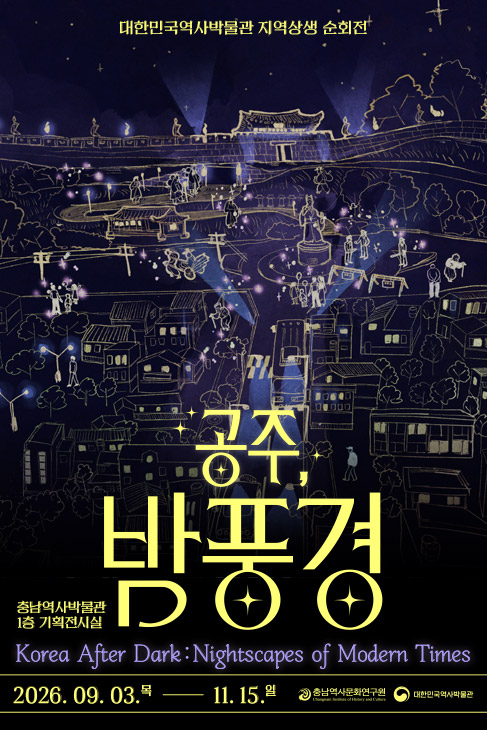
The special exhibition ‘Korea After Dark: Nightscapes of Modern Times’—originally presented by the National Museum of Korean Contemporary History to illuminate our dynamic nights—has been reimagined as a regional collaborative touring exhibition titled “Gongju, Korea After Dark: Nightscapes of Modern Times” at the Chungcheongnam-do Museum of History, promising a unique experience for visitors, including the residents of Chungnam. This exhibition traces the transformation of the night—from a time once confined by control and darkness—into a ‘time for everyone’ that can be enjoyed by all. In particular, building upon the solid foundation of the original exhibition, this exhibition incorporates the atmospheric nightscapes of Gongju and poignant stories from the era of the nighttime curfew in Chungcheong-do, offering a narrative unique to the touring exhibition. As visitors stroll through the nightscapes of the past and the local area, they can experience a deep, lingering resonance where the nights of yesterday and today converge into a shared emotion. The exhibition runs until November 15 in the Special Exhibition Hall on the first floor of the Chungcheongnam-do Museum of History.
Partial improvements to the History Hall entrance and the ‘Globalization and the Foreign Exchange Crisis’ section.
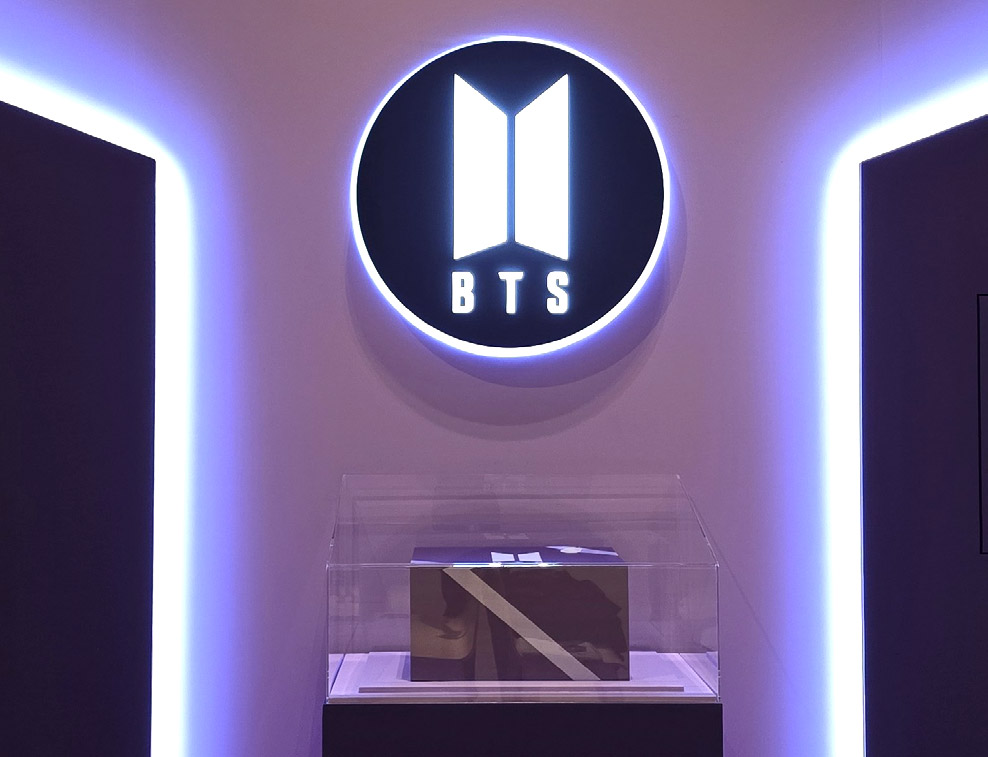
Following last year's efforts, the National Museum of Korean Contemporary History is once again carrying out partial improvements to the permanent exhibition's History Hall on the fifth floor. This year, the museum is revamping the entrance to the History Hall, the "Globalization and the Foreign Exchange Crisis" section (Part 3), and the exhibition space for the time capsule donated by BTS. The entrance is being redesigned to create a bright and comfortable atmosphere by enhancing the sense of openness and incorporating media art that harmonizes with natural light. In the "Globalization and the Foreign Exchange Crisis" section, new materials and content will be introduced to provide a multi-dimensional look at the globalization of Korean society, economy, and culture, which was accelerated following the 1988 Seoul Olympics. The renovated entrance is scheduled to open to visitors in late September, followed by the "Globalization and the Foreign Exchange Crisis" section in late October.
Second Half of 2026 Citizen Lectures: 〈Modern History Seen and Heard〉
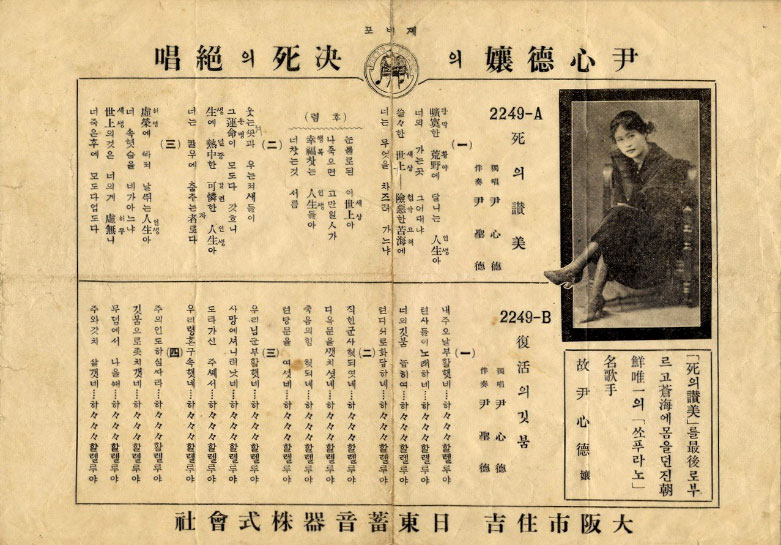
The National Museum of Korean Contemporary History will host its 2026 second-half citizen lectures, "Modern History Seen and Heard," from October 28 to November 18. Held on the theme "The Resonance of 100 Years of Phonograph Records," this lecture explores the emergence of popular music in the 1920s and how it was received at the time, focusing on the museum's collection of SP records. The program includes expert lectures and hands-on sessions where participants can handle and play phonographs and records; the final session will feature a performance-style lecture where songs introduced during the lectures are presented through live music and vocals. Registration is available via the museum's website from October 1 to 20.
The 2026 Modern and Contemporary History Colloquium
The National Museum of Korean Contemporary History’s "Cultural Wednesday × Modern and Contemporary History Colloquium" series continues to offer a range of lectures covering historical anniversaries, special exhibitions, and social issues. This year, the series has explored key moments in modern and contemporary history—such as the evolution of women's rights (marking the 40th anniversary of the Seoul Asian Games), the March 1st Movement, the June 10th Movement, the DMZ, and Liberation and the establishment of the Constitution—together with experts. Upcoming sessions include a lecture on the "Social History of Technical Labor in Korea" on September 30th to mark the 60th anniversary of the Vocational Training Act, and an examination of "Baekbeom Kim Koo and the Korean Patriotic Corps" in October to commemorate the 150th anniversary of Kim Koo’s birth. The year’s lecture series will conclude in November with a discussion on "What Is an Interspecies Community?" expanding the scope of the conversation to encompass global issues.
| Session | Date | Theme | Lecturer |
|---|---|---|---|
| 10th | September 30 (Wed) | A Social History of Technical Labor in Korea | Jang Mi-hyun (Team Leader, Research Institute on the Japanese Military ‘Comfort Women’ Issue) |
| 11th | October 28 (Wed) | Baekbeom Kim Koo and the Korean Patriotic Corps | Kim Do-hyung (Former Senior Research Fellow, Independence Hall of Korea) |
| 12th | November 25 (Wed) | What Is an Interspecies Community? | Jeong Gyu-sik (Professor, Department of Korean Language and Literature, Dong-A University) |
Joint Academic Conference Commemorating the 150th Anniversary of Kim Koo’s Birth Will Be Held
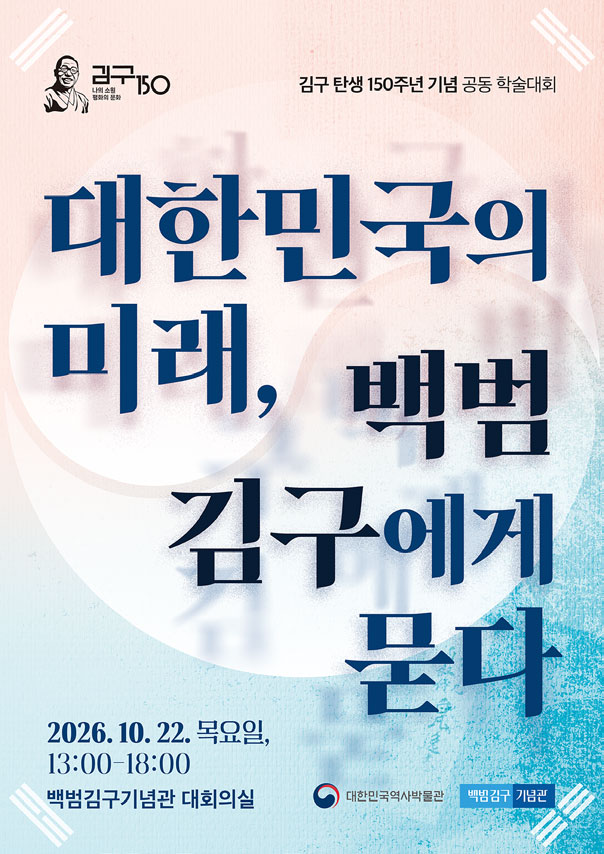
To commemorate the 150th anniversary of the birth of Baekbeom Kim Koo, the National Museum of Korean Contemporary History and the Baekbeom Kim Koo Memorial Hall will hold a joint academic conference at the Memorial Hall on October 22. Organized on the occasion of UNESCO’s designation of 2026 as the official commemorating year of the 150th anniversary as a momentum, this conference will reflect on South Korea’s past and present and explore its future, centering on Kim Koo’s "theory of culture." Participants will examine the significance of the "cultural powerhouse" envisioned by Kim Koo from various perspectives, including education, culture, and peace, and discuss future research directions and tasks. Following topic presentations by experts, a roundtable discussion will be held to reflect on the relevance of Kim Koo’s cultural theory to contemporary society.
Liberation Day Commemorative Lecture-Concert "Arirang, Arirang, Arariyo" Was Held
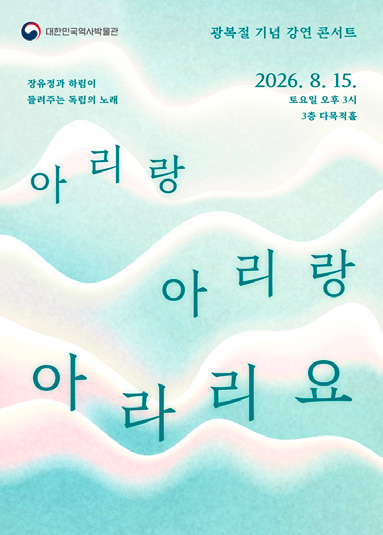
To mark the 81st anniversary of Liberation Day, the National Museum of Korean Contemporary History held a commemorative lecture-concert on August 15 titled "Arirang, Arirang, Arariyo: Songs of Independence Shared by Jang Yu-jeong and Harim." Jang Yu-jeong, Dean of the Graduate School of Culture and Arts at Dankook University and a researcher of modern and contemporary popular music, joined forces with singer-musician Harim to unfold the historyof “Arirang”—which spans over a century—through a blend of songs, storytelling, and musical performances. The program featured a succession of pieces, beginning with the version of “Arirang” recorded by Homer Hulbert, followed by “Koryo-saram Arirang” (reflecting the lives of ethnic Koreans in Central Asia) and songs associated with independence activists and the colonial era. The performance concluded with a joint rendition of “Gwangbokgun Arirang” (Liberation Army Arirang), offering a moment to reflect on the yearning for independence and the significance of national liberation.
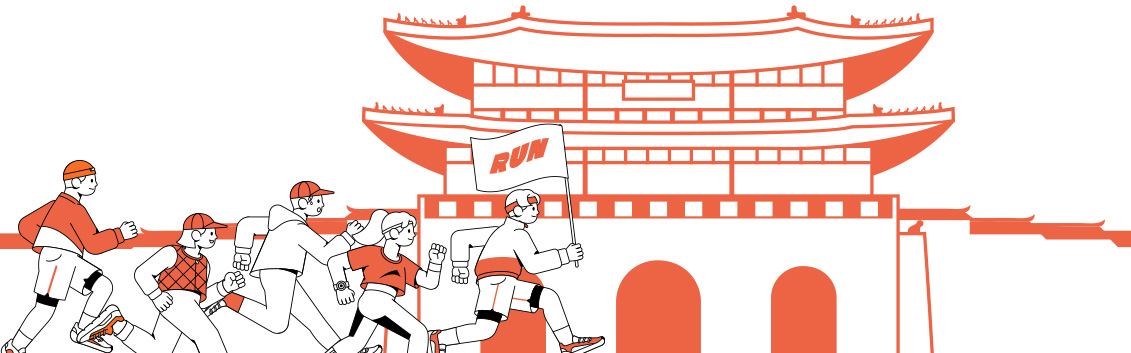
"Gwanghwamun Museum Run": A Joint Initiative by Eight National and Public Cultural Institutions
The "Gwanghwamun Museum Run," an event where participants visit cultural institutions in the Gwanghwamun area while running, is scheduled to take place from October 16 to November 15. Designed to leverage the popular running culture, the event aims to help citizens engage with and enjoy these cultural institutions in a more approachable way. Following last year's event, this year's event features the participation of eight national and public cultural institutions, including the National Museum of Korean Contemporary History, the National Palace Museum of Korea, the National Folk Museum of Korea, the National Museum of Modern and Contemporary Art, the Seoul Museum of Craft Art, the Seoul Museum of Art, the Seoul Museum of History, and the Sejong Center for the Performing Arts. A new running program connecting these eight institutions will be introduced this year, with details regarding the specific route and participation methods to be announced later.
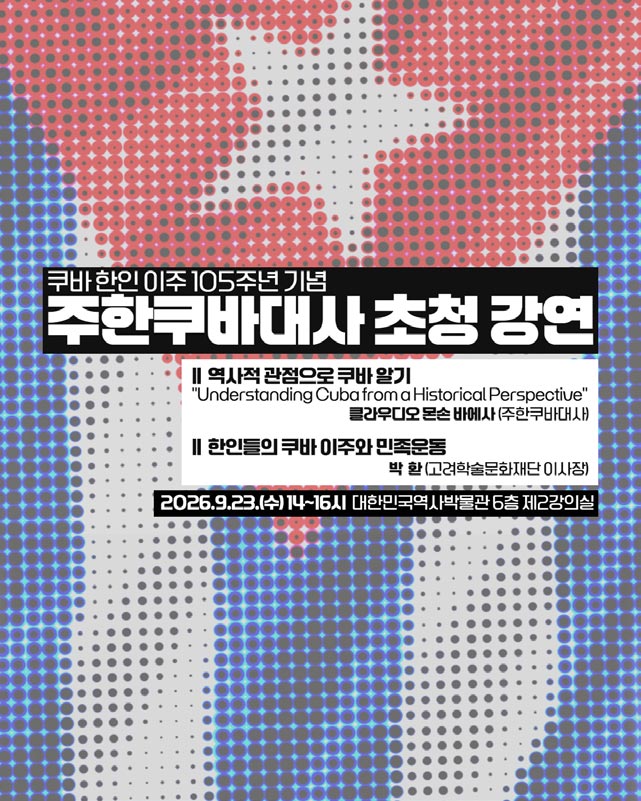
Special Lecture Commemorating the 105th Anniversary of Korean Immigration to Cuba
To mark the 105th anniversary of Korean immigration to Cuba, the National Museum of Korean Contemporary History will host a special lecture on September 23. Claudio Monsón Baeza, the first Cuban Ambassador to South Korea, will open the event by discussing relations between South Korea and Cuba as well as Cuba’s modern history. Following this, Park Hwan, Chairman of the Goryeo Academic and Cultural Foundation, will share the story of the lives of Korean immigrants in Cuba and their contributions to the independence movement, focusing on his recently published book, “The Family of Ahn Sun-pil in Cuba: A 100-Year Story”. The family of Ahn Sun-pil—the subjects of the book—migrated to Mexico in 1905 before settling in Cuba in 1921, where they dedicated themselves to the cause of their homeland's independence by raising funds for the movement. Their devotion was finally recognized a century later, with Ahn Sun-pil, his wife, and all six of their children officially honored as patriots of the independence movement. This lecture offers an opportunity to reflect on the history of Korean immigrants who upheld the spirit of independence even in the unfamiliar Caribbean region, and to contemplate the significance of the 105-year journey of the Korean community in Cuba.
10th <Young Curator Academy> Successfully Concluded
The National Museum of Korean Contemporary History conducted the 10th "Young Curator Academy" for university students from August 12 to 14. Designed to help students interested in curatorial work understand museum operations and gain practical experience, the program attracted 265 applicants for 30 available spots. Participants attended lectures on research, the management of collected materials, and exhibition planning and design, as well as on-site sessions at special exhibitions. Notably, they engaged in a hands-on activity centered on the theme of an "inclusive museum," examining exhibition space and visitor facilities from the perspectives of diverse visitors and proposing improvements. The three-day program concluded with a session allowing participants to converse with professional curators about the work environment, recruitment, and career preparation.
The "All Together! Daebak" Experiential Education Program for Special Schools and Classes
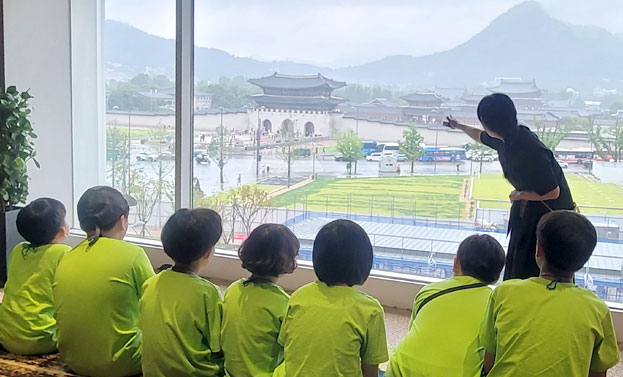
The National Museum of Korean Contemporary History runs "All Together! Daebak," a cultural outreach and experiential education program designed for elementary and middle school students attending special schools and special education classes. Established to expand the right to learning and opportunities for cultural engagement for students with disabilities, the program has enhanced its student-tailored instruction this year by increasing the number of educators from two to three. During the sessions, students explore the significance of Korea's national holidays using specialized teaching aids—specifically a set titled "Korea's National Holidays and Commemorative Days"—designed for students with developmental disabilities. They also view related exhibits on the museum's fifth-floor History Gallery and search for the “Taegeukgi” (Korean national flag). Hands-on activities include storytelling using “Taegeukgi” replicas and crafting personalized “Taegeukgi”-themed water bottle carriers.
Following the sessions held in the first half of the year, the program is scheduled to continue with four additional sessions this coming October and November.
8th and 9th sessions of "Cultural Wednesday × Modern and Contemporary History Colloquium“ Were Held
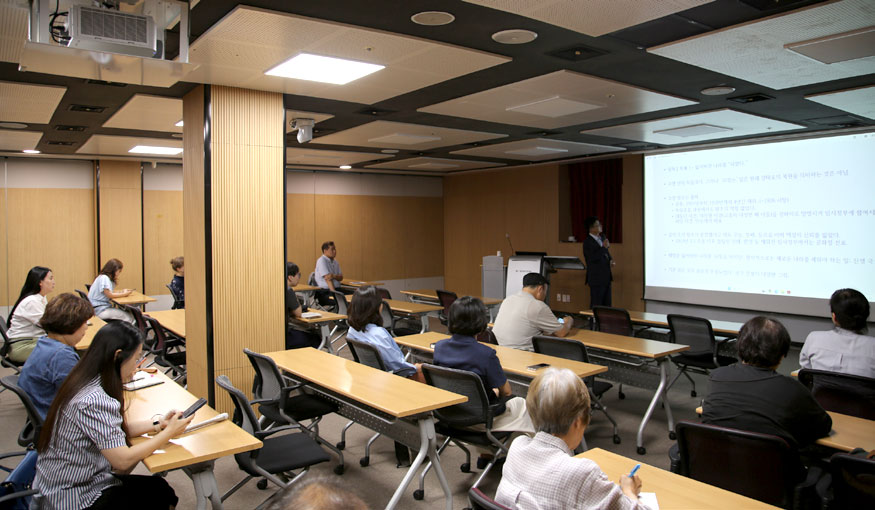
The National Museum of Korean Contemporary History hosted the 8th and 9th sessions of the "Cultural Wednesday × Modern and Contemporary History Colloquium" in July and August, focusing on the Constitution of the Republic of Korea and the Constituent Assembly. On July 29, Professor Lee Hyo-won of Seoul National University lectured on "The Evolution and Challenges of the Constitution of the Republic of Korea," tracing the historical trajectory of the Constitution from its inception to the present day and examining contemporary challenges and future directions. Subsequently, on August 26, Professor Kang Won-taek of Seoul National University spoke on "The Constituent Assembly and Nation-Building," outlining the process of establishing the institutional framework for the nascent state—including the enactment of the Constitution and the passage of laws regarding government and court organization. These lectures provided an opportunity to reflect on the process by which the Republic of Korea enacted its Constitution and laid the foundations of a democratic republic.
Special Photography Exhibition "DMZ: Gateway of the Wind” Successfully Concluded
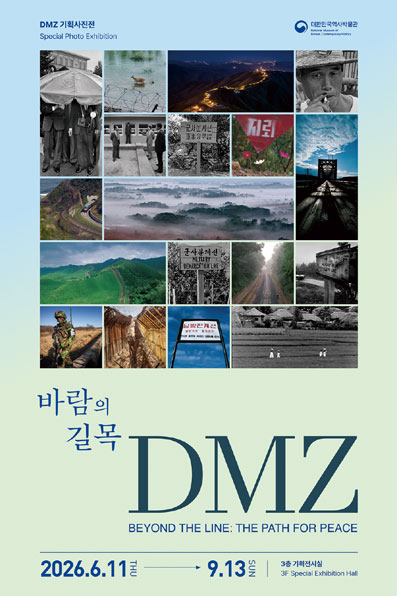
From June 11 to September 13, the National Museum of Korean Contemporary History hosted a special photography exhibition titled “DMZ: Gateway of the Wind” in the special exhibition gallery on the third floor. Through approximately 80 photographs, the exhibition explored the history and reality of the Demilitarized Zone (DMZ)—a place where periods of division and confrontation have coexisted with periods of exchange and cooperation. Featuring diverse scenes—such as the Military Demarcation Line and guard posts, the daily lives of Daeseong-dong residents, South and North Korean journalists taking shelter from the rain under the same umbrella at Panmunjom, and the restored Gyeongui Line railway—the exhibition offered an opportunity to reflect on the DMZ as a symbol of the Cold War and to consider its potential as a space for connection and reconciliation.
Summer Vacation Children's Program "Arirang of Joy" Concluded Successfully
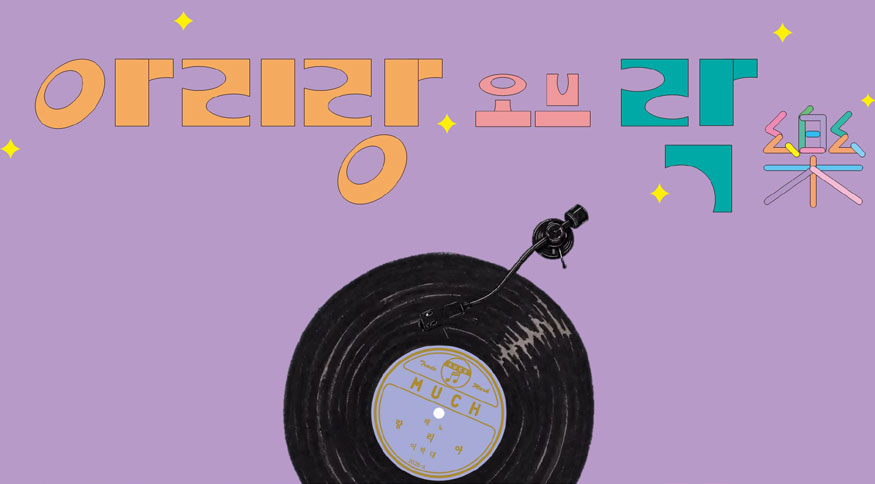
The National Museum of Korean Contemporary History conducted a summer vacation educational program for children—titled "Arirang of Joy" (Arirang of “Rak”)—from July 27 to August 7, targeting elementary school students in grades 4 through 6. Organized to mark the centennial of the release of the film “Arirang”, the program drew a total of 84 participants across four sessions. Through audiovisual lectures, tours of the history exhibition on the fifth floor, and hands-on activities, the children explored the historical transmission of Arirang, experienced the national sentiment and creativity embedded within it, and gained an appreciation for the value of our cultural heritage.



National Museum of Korean Contemporary History Newsletter 2025 Spring (Vol. 76) / ISSN 2384-230X
198 Sejong-daero, Jongro-gu, Seoul, 03141, Republic of Korea / 82-2-3703-9200 / www.much.go.kr
Copyright. National Museum of Korean Contemporary History all rights reserved.