
2026 New Year Vol.79
ㅡ First Exhibition ㅡ
Returning to Ourselves: Reclaiming Our History, 1945-1948
Special Exhibition Commemorating the 80th Anniversary of Korea's liberation
As we mark the 80th anniversary of Korea's liberation, we reflect on the meaning of “reclamation.” The three years of Korea's liberation, from Korea's liberation in 1945 to the establishment of the government in 1948, were a journey of reclaiming lost names, correcting distorted history, and recovering our language, culture, and memories. We hope you will encounter the passion to reclaim our complete selves amid the turbulent liberation post-period through the exhibition's key artifacts.
The exhibition begins with a poem by poet Yun Dong-ju, who yearned for “spring to come to his star” as well. What did the spring we greeted immediately after Korea's liberation look like?
When winter passes, and spring comes to my star as well
Just as blue grass blooms over graves
On the hill where my name is buried
Grass will grow thick like pride.
— From Yun Dong-ju's Counting the Stars at Night
Our Reclaimed Language, Our Reclaimed Lives
The most significant change that came with Korea's liberation was the ability to use our language freely. In this transformed daily life, Korean could be heard in newspapers and broadcasts. Seoul Central Broadcasting Station began delivering news in Korean instead of Japanese.
“It was truly a moving moment.
Announcer Yoon Yong-ro entered the studio
and announced into the microphone,
'Korean-language broadcasting will now be broadcast as Channel 1.”
At the exhibition's entrance, visitors can encounter The Great Korean Language Dictionary, the first Korean dictionary published after years of effort by the Korean Language Society. Also displayed is Malmoi, the manuscript of Korea's first Korean-language dictionary. Though never published due to the passing of scholar Ju Si-gyeong, it remains a precious resource that laid the foundation for Korean dictionary compilation. A special commemorative event was also held in 1946 to mark the 500th anniversary of the promulgation of Hangeul: the first facsimile publication of Hunminjeongeum Haerye Edition, unveiled to the public. Through the first facsimile materials and an animated video based on the commemorative event, we hope you'll recall the moment when people experienced the return of their language.
Names forced upon Koreans through the Japanese policy of Sōshi-kaimei were restored to their original forms. A “Reclaim Our Language” movement was also launched to eliminate remnants of Japanese from daily life and replace them with Korean. Following efforts to change Japanese-style administrative district names to our own, Gyeongseongbu was renamed Seoul in 1946. Visitors might enjoy finding place names changed to honor significant figures—Chungmuro, Euljiro, Wonhyoro—on the displayed Seoul guide map.
In reopened schools, children began learning Hangeul with Hangeul First Steps, the first textbook published immediately after Korea's liberation. Hangeul education also spread nationwide through night schools and civic schools.
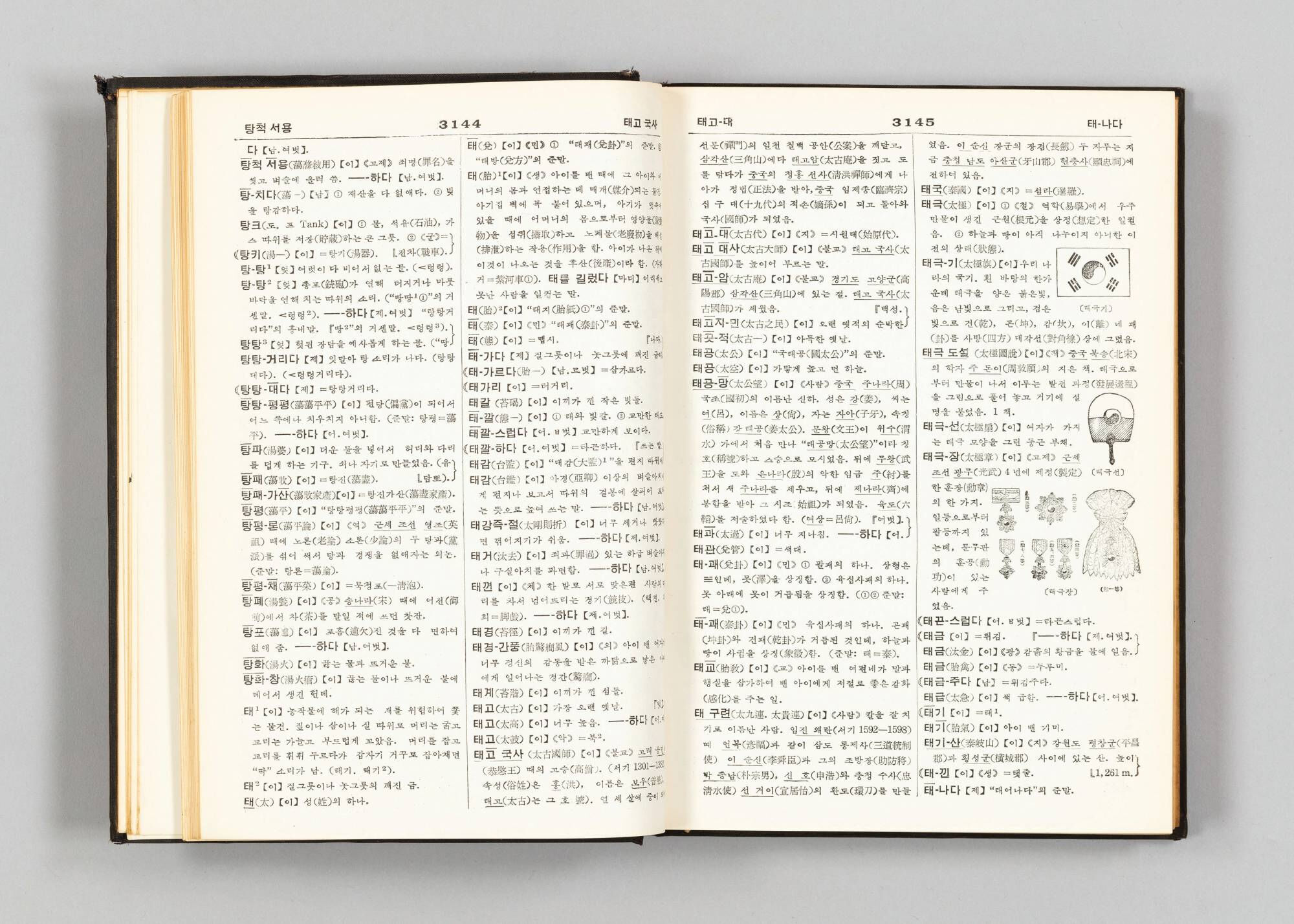 ▲ The Great Korean Language Dictionary, 1947, Collection of the National Museum of Korean Contemporary History.
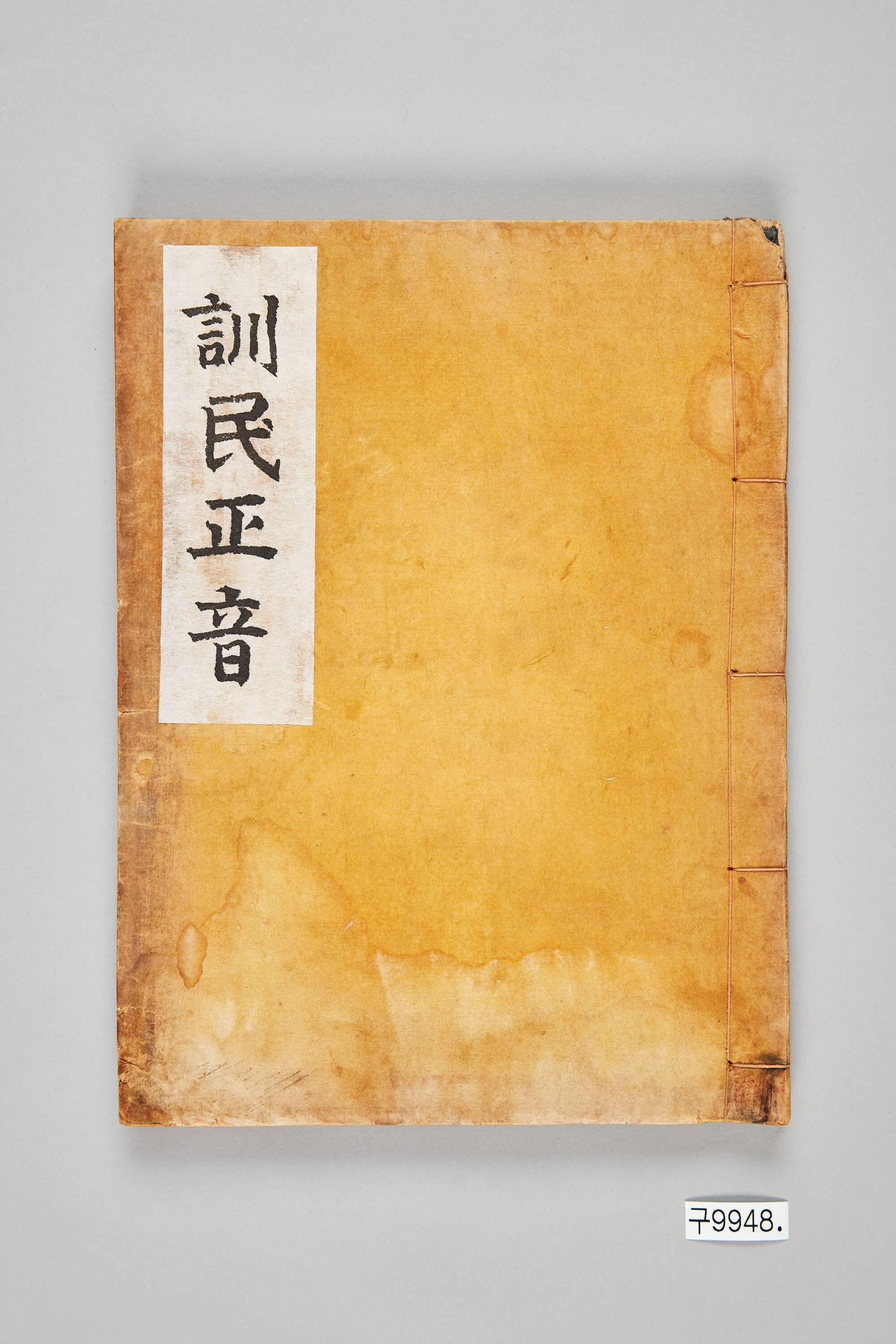 ▲ Hunminjeongeum Haerye Edition facsimile, 1946, Collection of the National Museum of Korean Contemporary History.
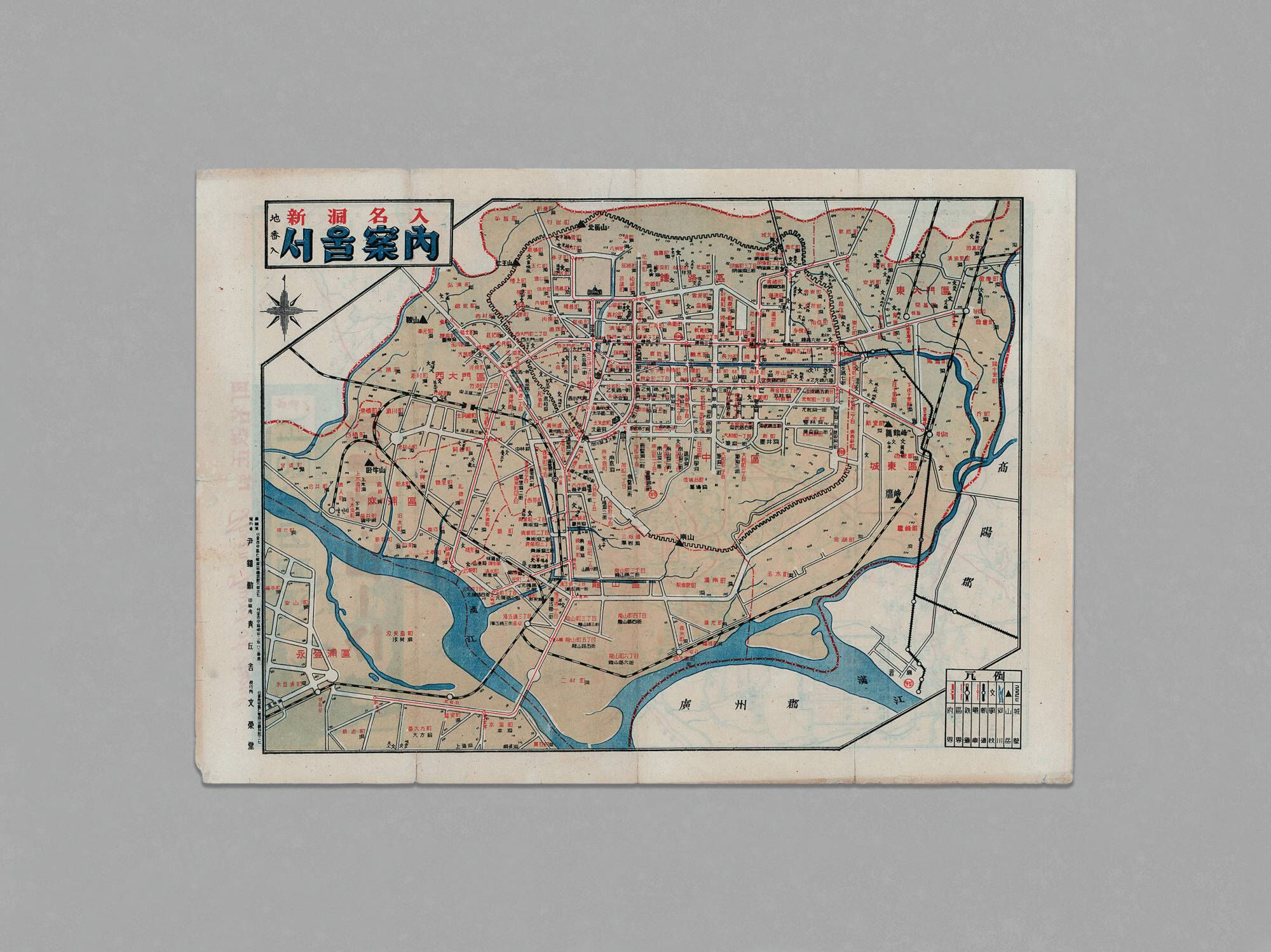 ▲ Shindongmyeongip Seoul Guide, 1946, Collection of the Seoul Museum of History.
Reconnecting with History
Immediately after Korea's liberation, efforts continued to reestablish Korean history . New national history and geography textbooks were compiled as part of a movement to interpret Korean history from an independent perspective, breaking away from the distorted historical narratives of the Japanese colonial period. National History Textbook, published by the Jindan Society, emphasized a systematic explanation of our national history and traditions. Comparing it with the textbook published by the Japanese Government-General of Korea, also on display, reveals clear changes.
Efforts were also made to restore damaged cultural heritage and repatriate cultural assets taken during the Japanese colonial period, centered on the Jindan Society. The Great Seal Chikmyeongjibo is an artifact returned through the U.S. military government on August 15, 1946, the first anniversary of Korea's liberation.
We can also observe the movement to preserve our cultural heritage as the National Museum and regional museums opened their doors. Guide to the National Museum Main Building is a 1947 guidebook that documents the exhibition hall configuration and the museum's role and purpose at that time. The Ssangyeongchong mural replica displayed on the wall (Ssangyeongchong Inner Chamber Main Tomb Ceiling Sun and Moon Replica) is believed to have been exhibited at the 1946 National Museum Goguryeo Mural Special Exhibition and the 1947 National Museum Gaeseong Branch Traveling Exhibition. This is believed to have been among the earliest traveling exhibitions. The National Museum's decision to hold special exhibitions of Goguryeo and Goryeo murals in 1946–1947, during its early period, can be seen as an effort to reinterpret our history independently.
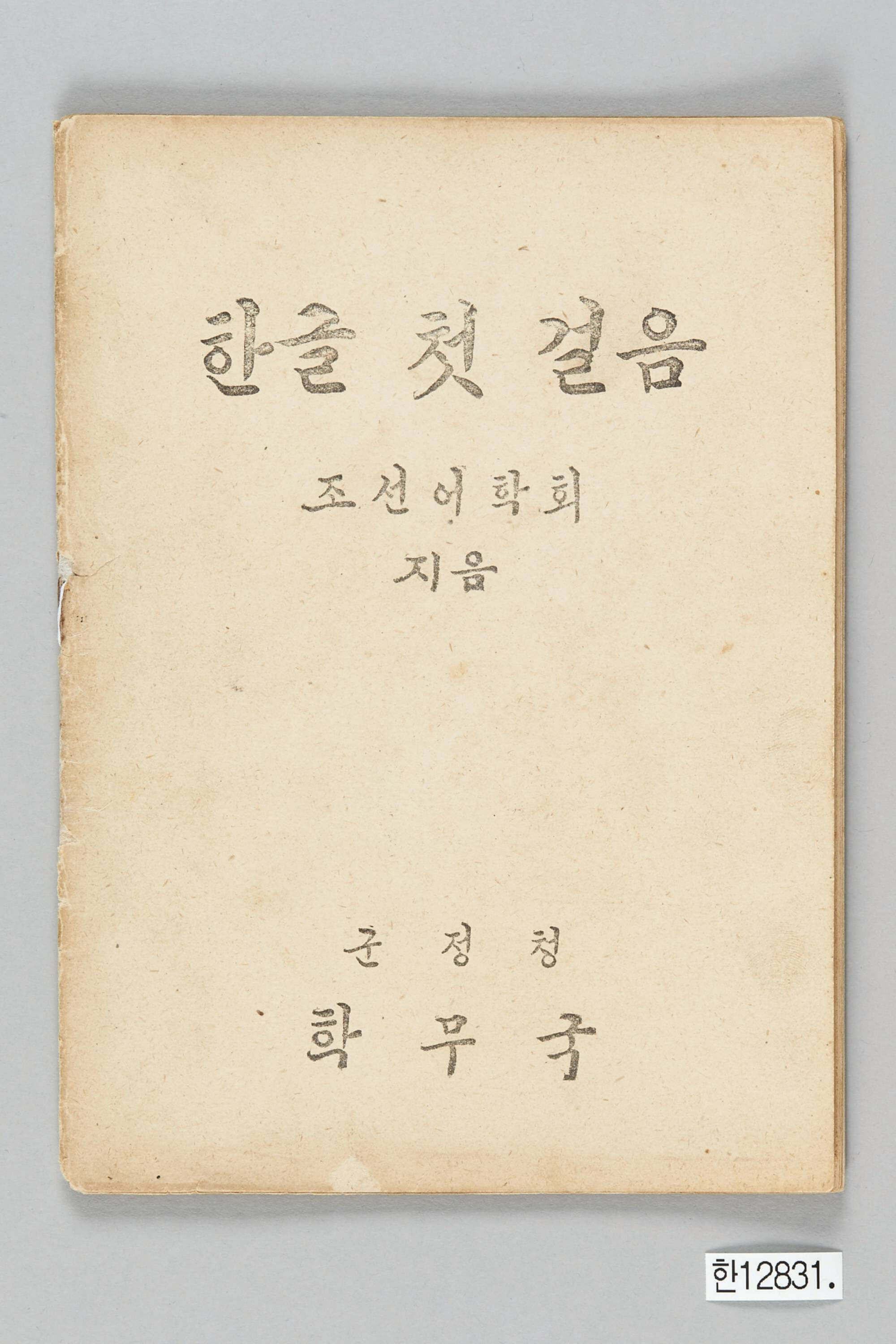 ▲ Hangeul First Steps, 1945, Collection of the National Museum of Korean Contemporary History.
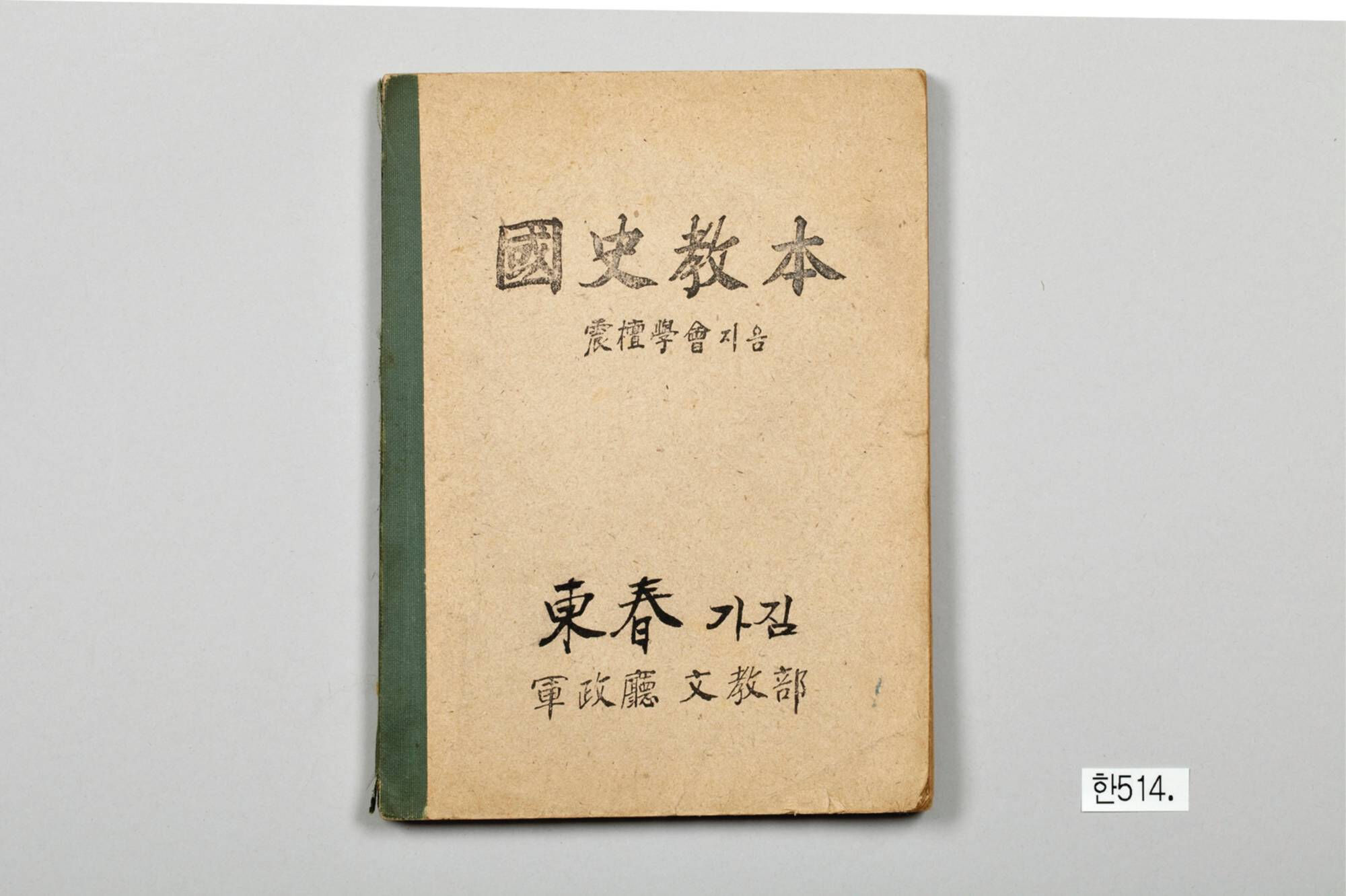 ▲ National History Textbook, 1946, Collection of the National Museum of Korean Contemporary History.
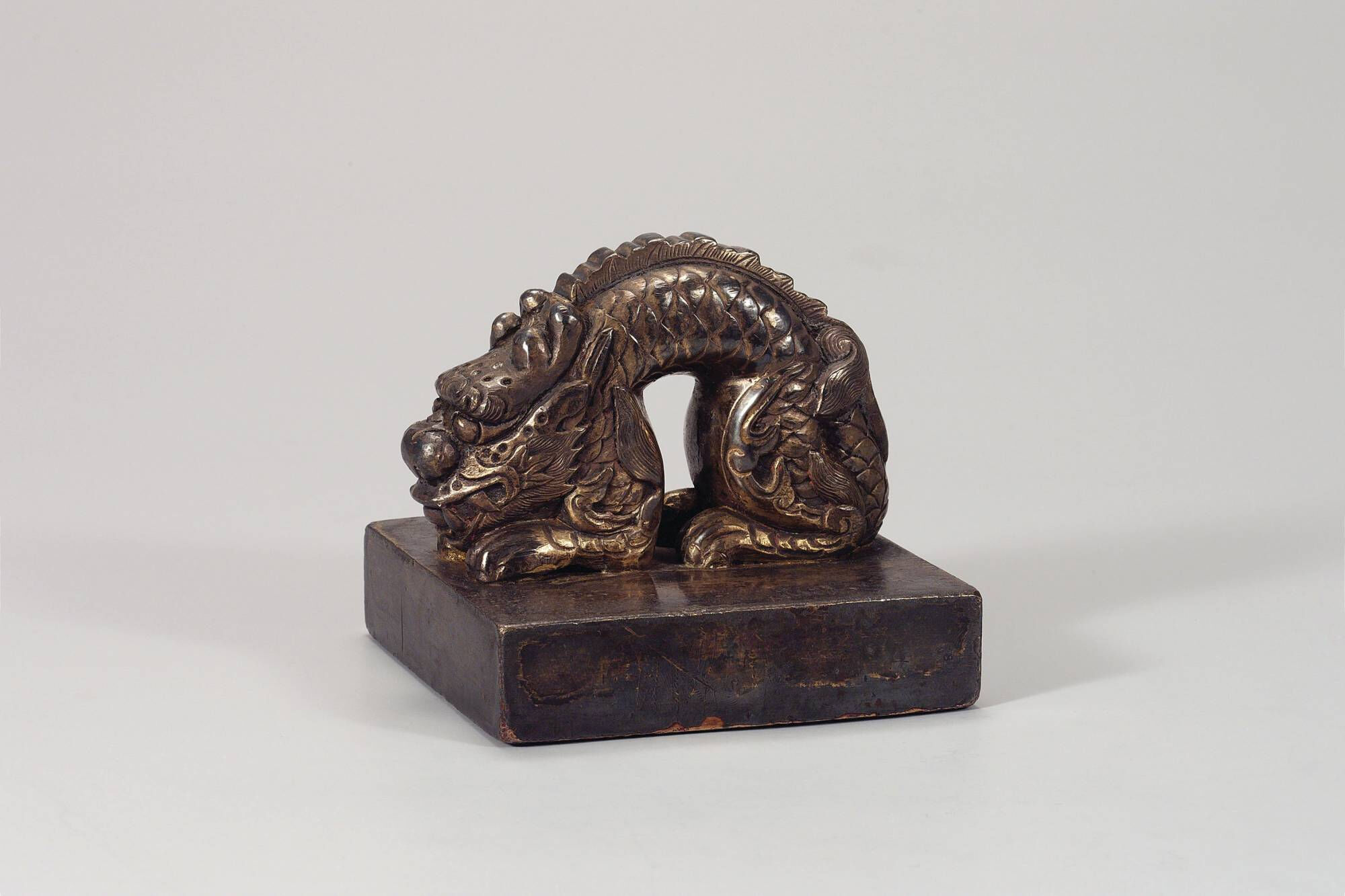 ▲ Great Seal Chikmyeongjibo, Korean Empire, Collection of the National Museum of Korea, National Treasure.
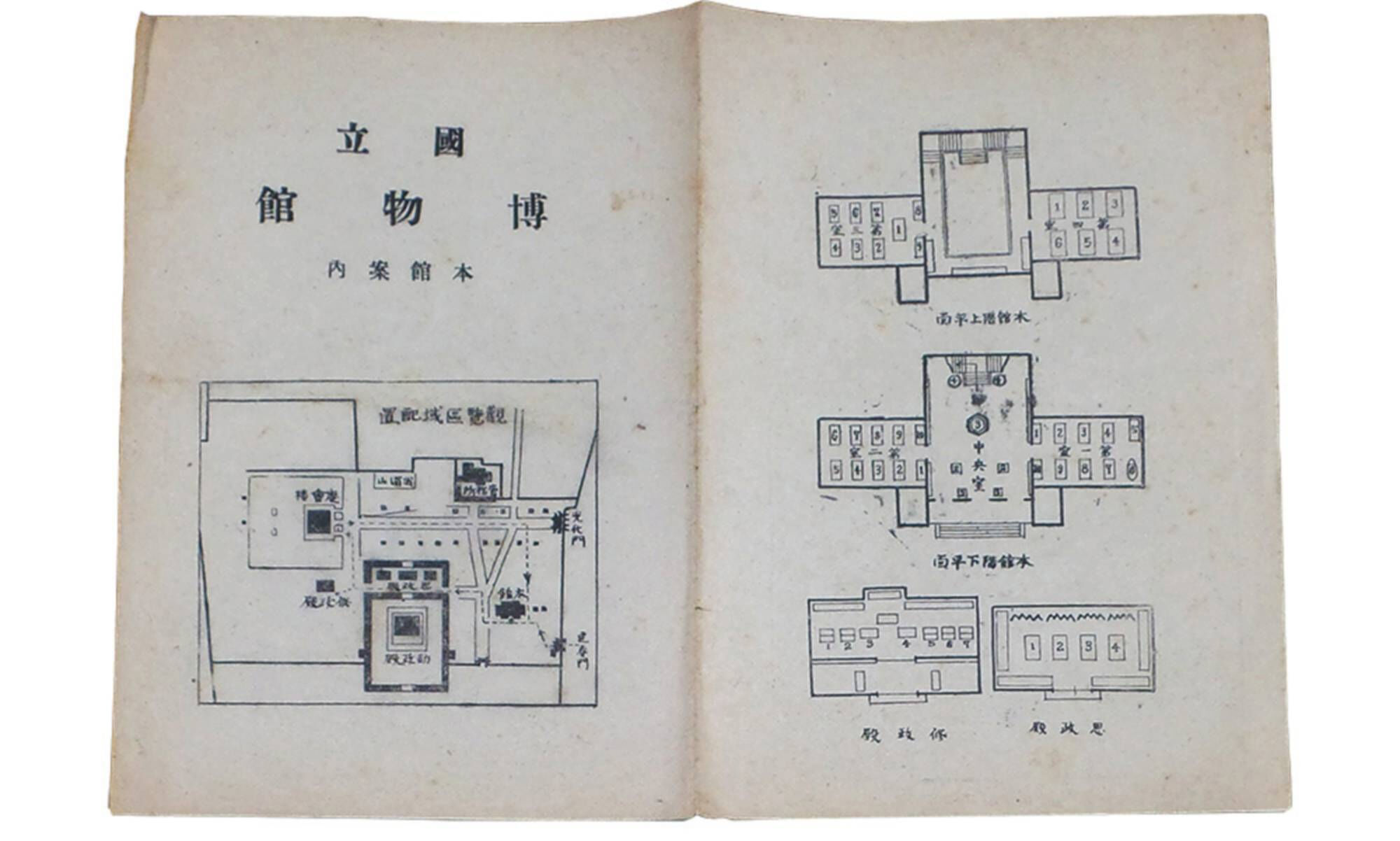 ▲ Guide to the National Museum Main Building, 1947, Collection of the Yeon Jae-hong Sajun Memorial Foundation.
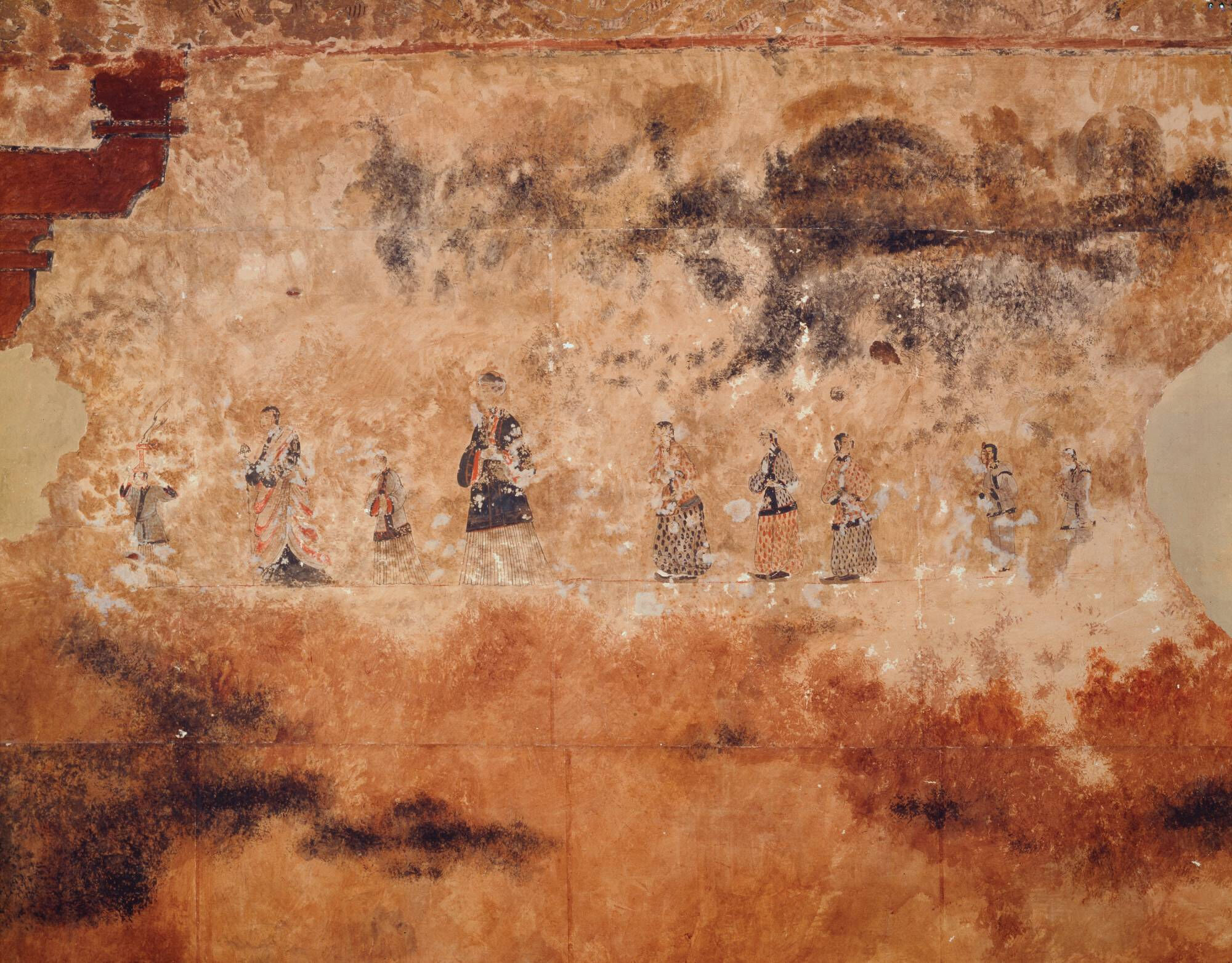 ▲ Ssangyeongchong Inner Chamber Main Tomb Ceiling Sun and Moon Replica, Collection of the National Museum of Korea.
Rising Again as Ourselves
Visitors can also encounter the movement to reexamine and commemorate historical figures and events that had been taboo under Japanese rule. Various books commemorating independence martyrs such as Ahn Jung-geun, Yun Bong-gil, and Yu Gwan-sun are displayed, along with video presentations about the creation of the Sameuisa Memorial, which honors patriots Lee Bong-chang, Baek Jeong-gi, and Yun Bong-gil.
Activities honoring Admiral Yi Sun-sin's achievements were particularly active during this period. Visitors can watch an AI video about how Admiral Yi's victory monument steles in Yeosu and Haenam, damaged by the Japanese, were returned to their original locations through the dedication of local residents. Also on display is Admiral Yi's Eight Articles folding screen, unveiled at Deoksugung Art Museum's opening exhibition in 1946.
The movement to establish commemorative days for historical events to strengthen solidarity was also vigorous. The March 1st Movement commemorative ceremony, which could only be held abroad, was grandly held domestically. March First Memorial Poetry Collection was published to commemorate the first March 1st Independence Movement Day after Korea's liberation. The movements commemorating Korea's Liberation Day, Gaecheonjeol (National Foundation Day), and Martyrs' Day during the Korea's liberation period helped restore community memory and strengthen solidarity. This sharing of social memory became a focal point in the effort to build a new nation.
The exhibition concludes with a poem by the poet Park Du-jin. As if responding to the heart that yearned for “spring to come to one's star,” the poet now proclaims that a brilliant and full spring has arrived. It seems to resemble the fervent heart of the Korea's liberation period, which sought to return “to ourselves”.
Tell them the peach blossoms have bloomed.
Tell them the apricot blossoms have bloomed too.
In the house where you long lived with affection,
on the fence trampled recklessly,
Tell them the cherry blossoms
and plum blossoms have also bloomed.
Tell them that by day bees and butterflies fly,
and by night the cuckoo cries.
— From Park Du-jin's Come Quickly
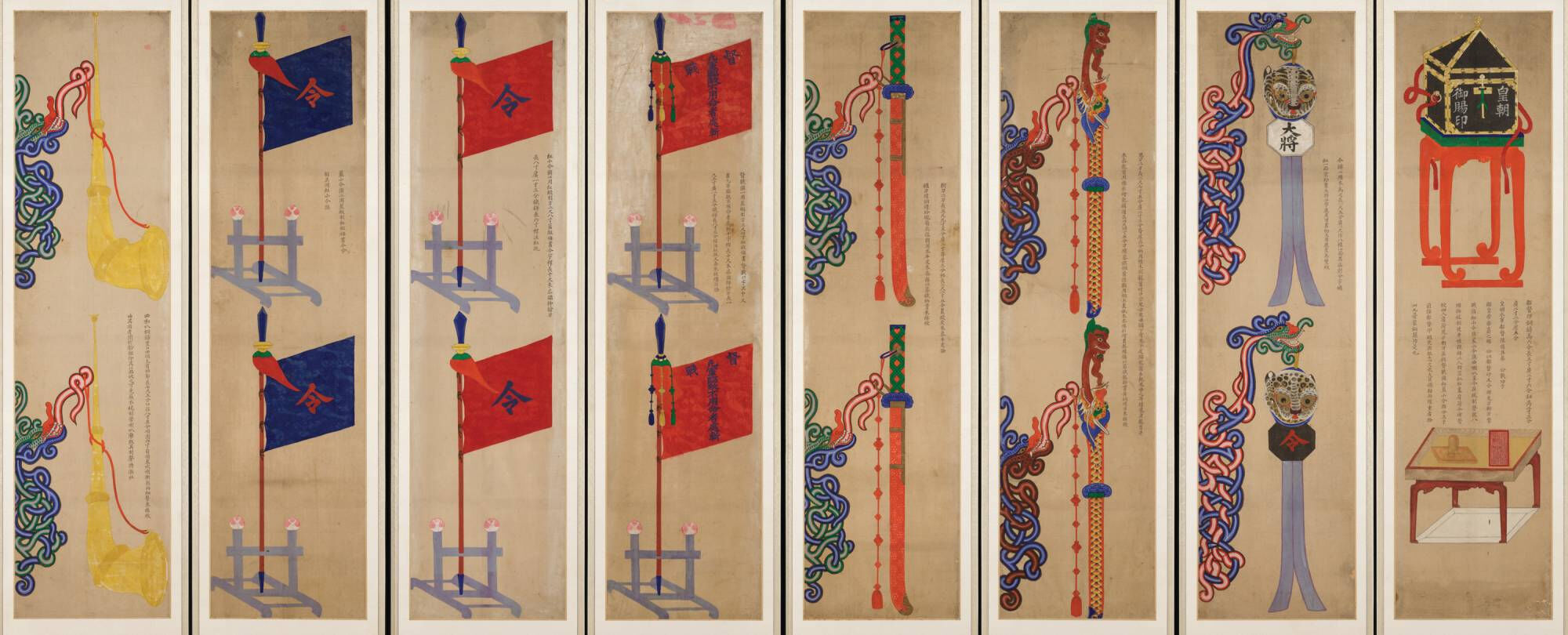 ▲ Eight Articles Folding Screen, Joseon, Collection of the National Museum of Korea.
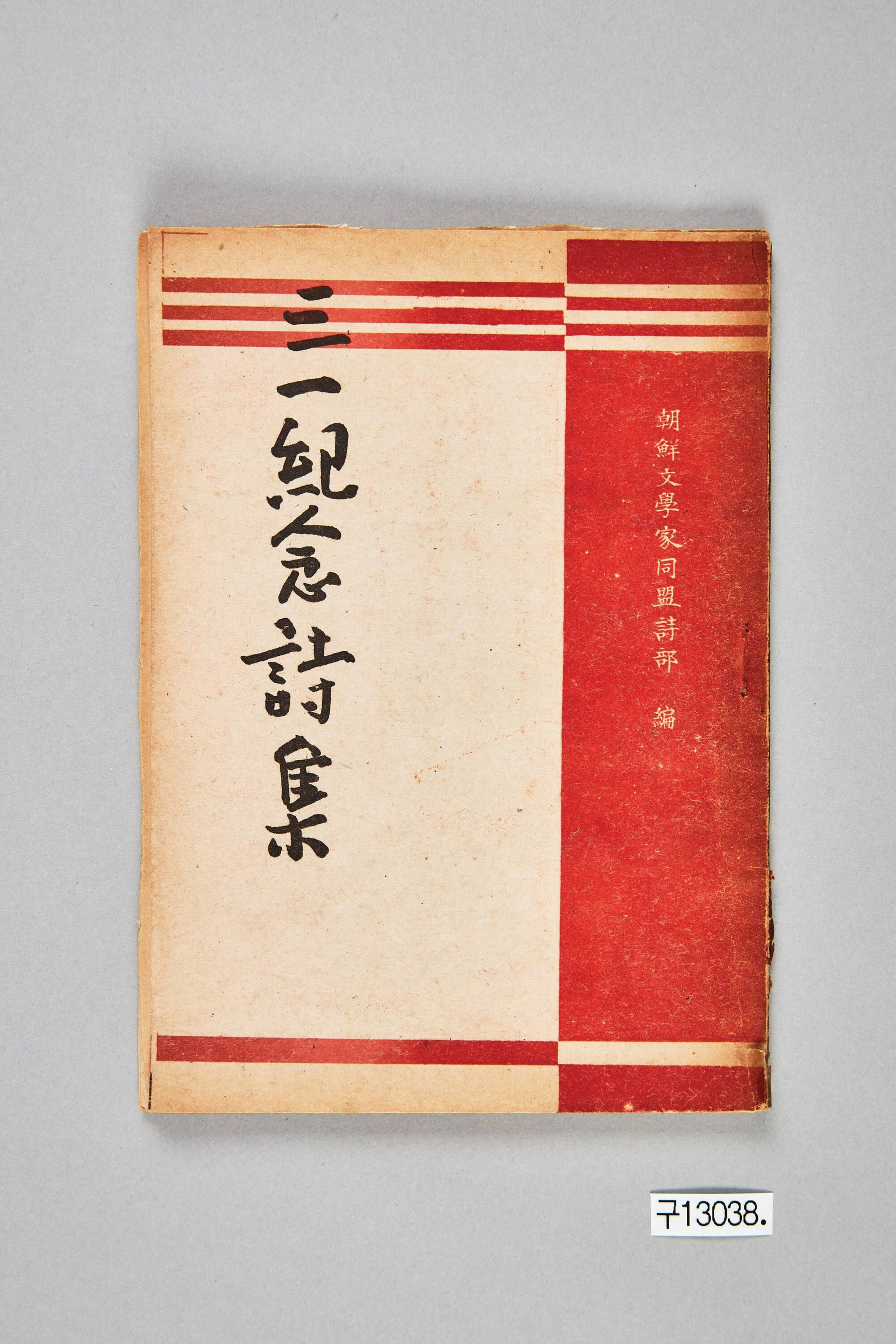 ▲ March First Memorial Poetry Collection, 1946, Collection of the National Museum of Korean Contemporary History.
Returning to Ourselves: Reclaiming Our History, 1945-1948
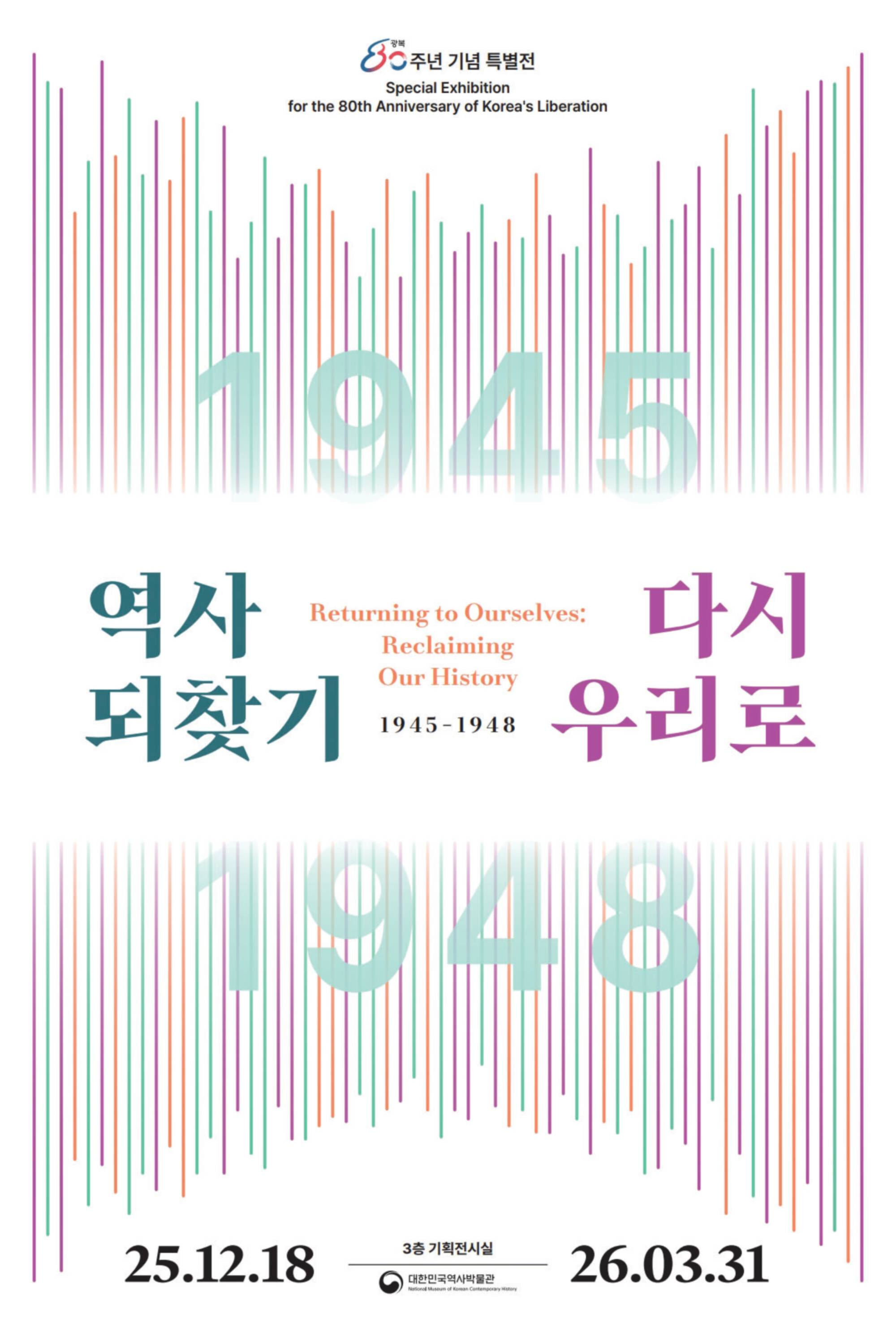
December 18, 2025 (Thu) – March 31, 2026 (Tue)
Special Exhibition Gellery, 3rd Floor, National Museum of Korean Contemporary History
10:00 AM–6:00 PM(Wednesdays and Saturdays 10:00 AM – 9:00 PM) 02-3703-9200
ㅡ Second Exhibition ㅡ
Special Exhibition Korea After Dark: Nightscapes of Modern Times
Night Becoming Time for All
We present the special exhibition Korea After Dark: Nightscapes of Modern Times, illuminating our vibrant nights reclaimed after the lifting of the nighttime curfew. Today, Korea's nights are more brilliant and active than its days, yet just over 40 years ago, even walking the streets at night was forbidden. This exhibition traces the process by which night, long confined to control and darkness, expanded into “time for all”, accessible to everyone. We have also created a space where visitors can experience Korea's distinctive sense of “night culture” embedded in these nocturnal hours.
The Modern History of Night
Part 1, “The Modern History of Night,” examines how night has transformed from the Joseon Dynasty to the present day. Immediately after its founding, Joseon implemented a nighttime curfew, prohibiting people from moving about after the capital's gates closed around nine in the evening. Pitch-black darkness further hindered people's activities, confining the available night space to areas beneath candlelight.
Joseon's dark and quiet nights underwent significant change during the reign of King Gojong. Electric lights introduced to Joseon after the opening of ports illuminated the night streets, and in 1895, the nighttime curfew system that had persisted throughout the Joseon period was lifted. However, with the beginning of Japanese colonial rule, not only our nights but all aspects of daily life became subject to surveillance and control.
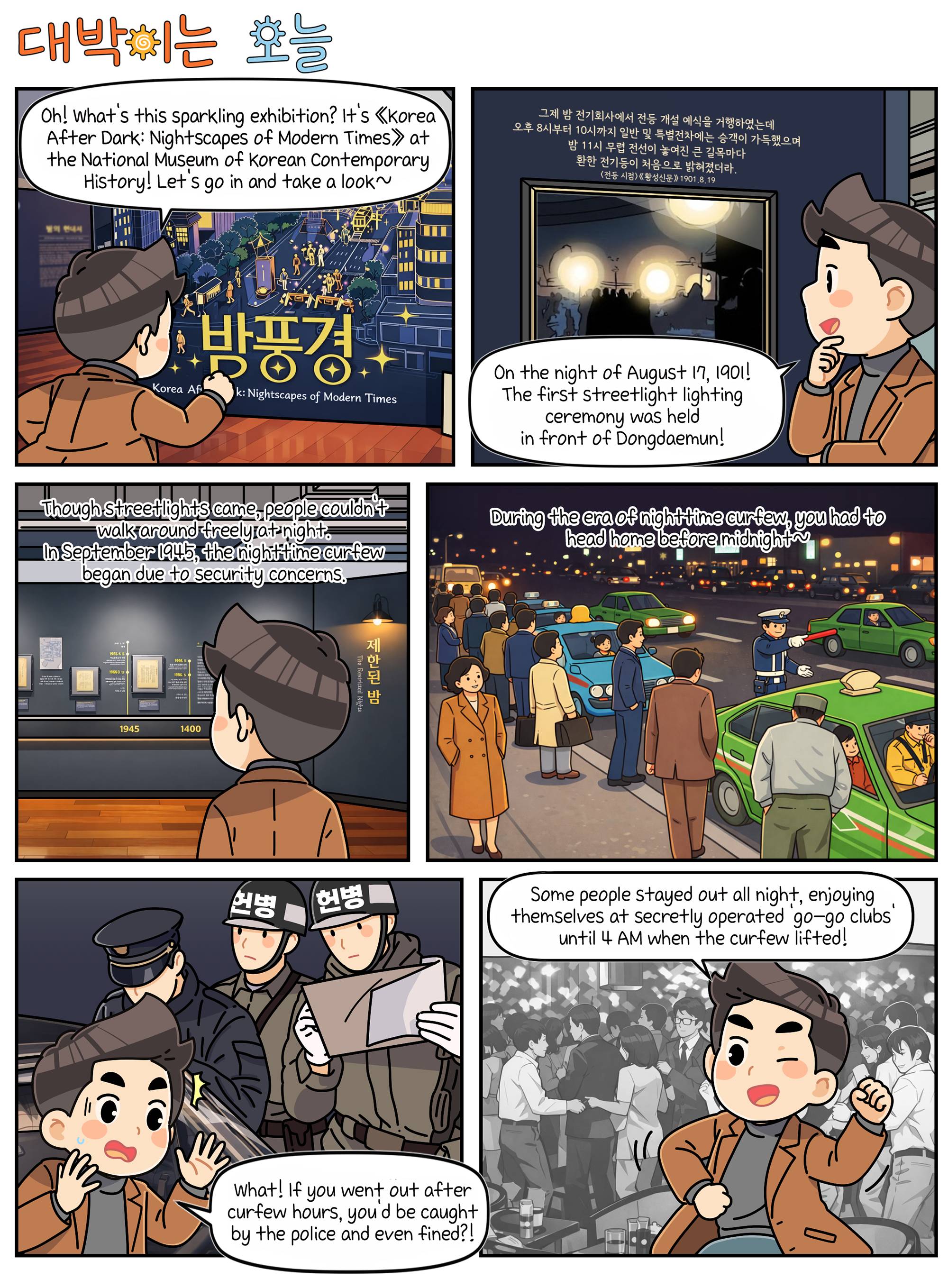
The joy of Korea's liberation in 1945 was short-lived. Upon landing on the Korean Peninsula, the U.S. military government immediately imposed a nighttime curfew, restricting nighttime activity. The curfew era, which lasted approximately 36 years until the complete lifting of the nighttime curfew in 1982, shaped daily life in unique ways. People waged fierce homecoming wars to return home before the curfew siren sounded, and those caught violating the nighttime curfew had to remain confined in police station holding cells until receiving summary judgment the next morning. Meanwhile, some young people spent nights dancing at go-go clubs until 4 AM when the curfew lifted.¹⁾
1) Although curfew hours varied slightly depending on the period, they generally lasted from midnight to 4 a.m.
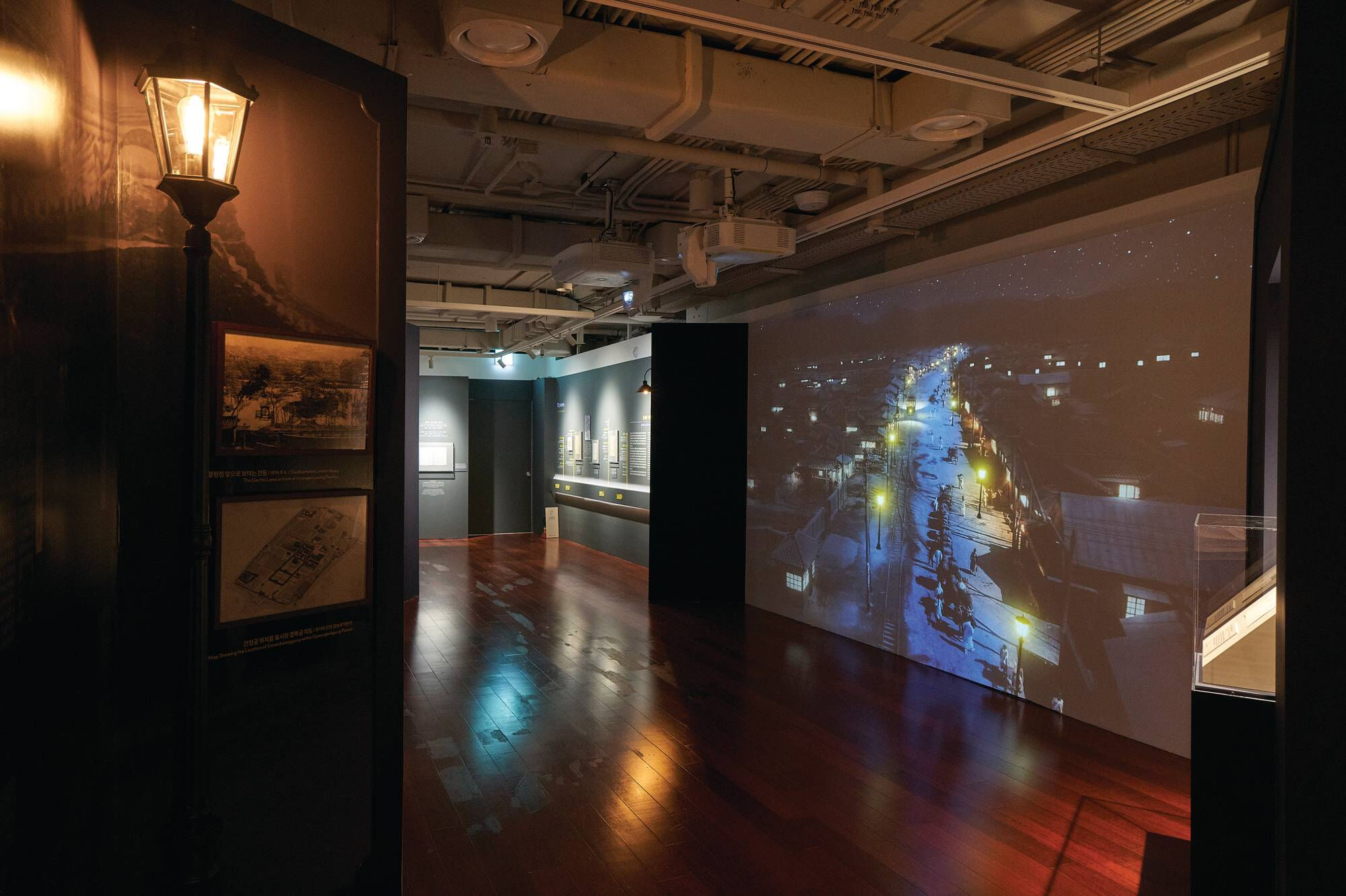
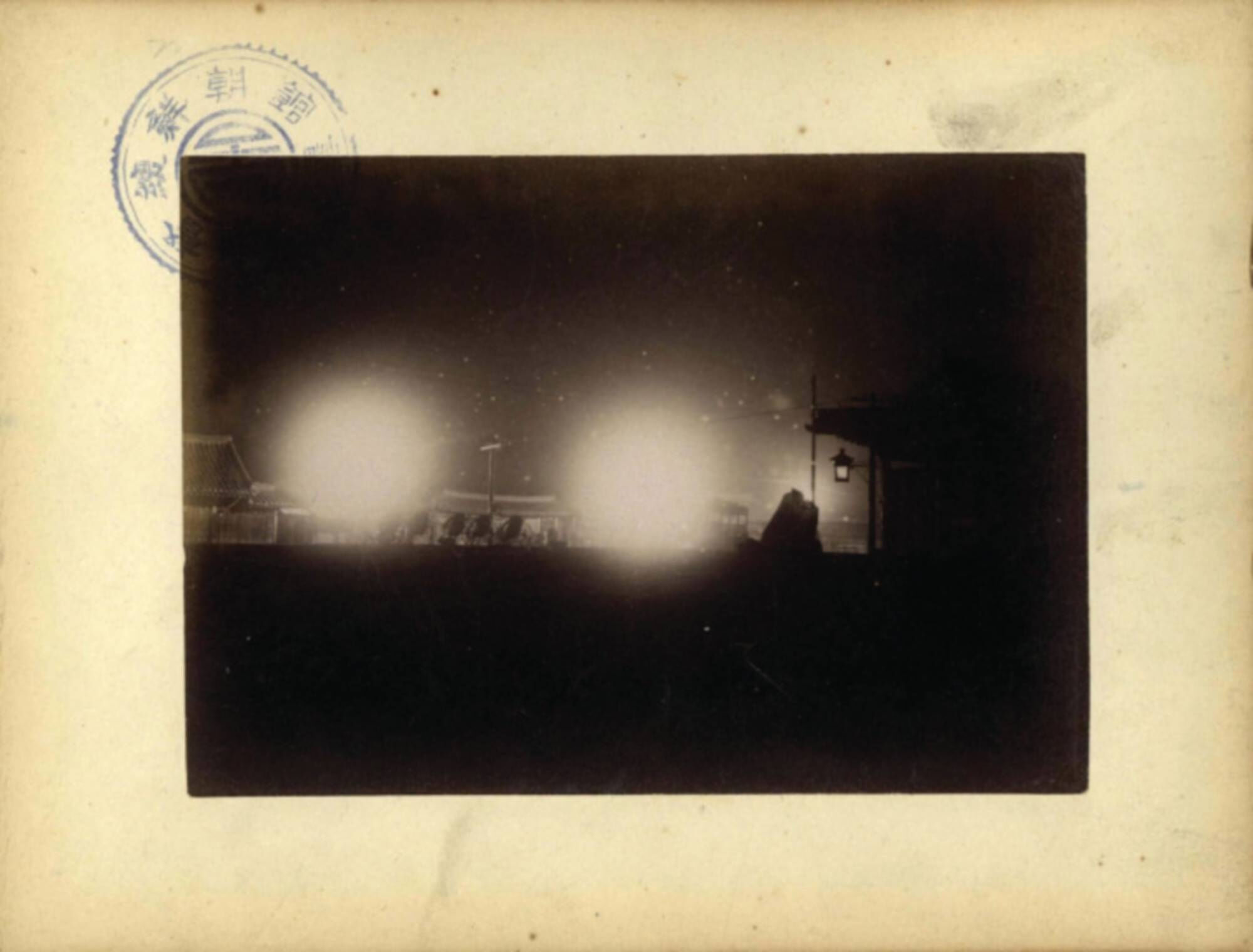 ▲ Hanseong night streets with streetlights lit, early 20th century, National Library of Korea.
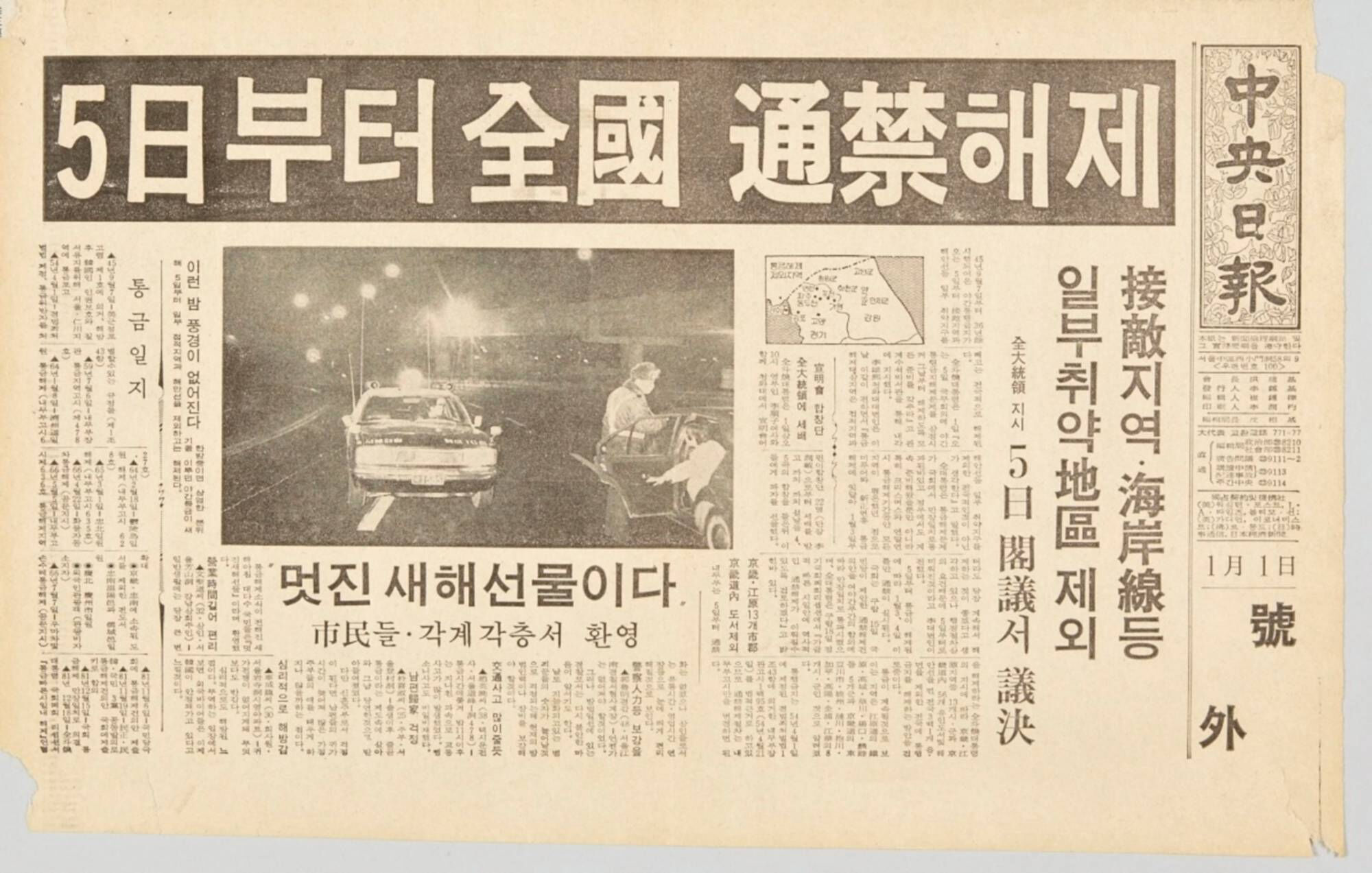 ▲ Newspaper article announcing the complete lifting of the nighttime curfew, January 1, 1982, JoongAng Ilbo special edition.
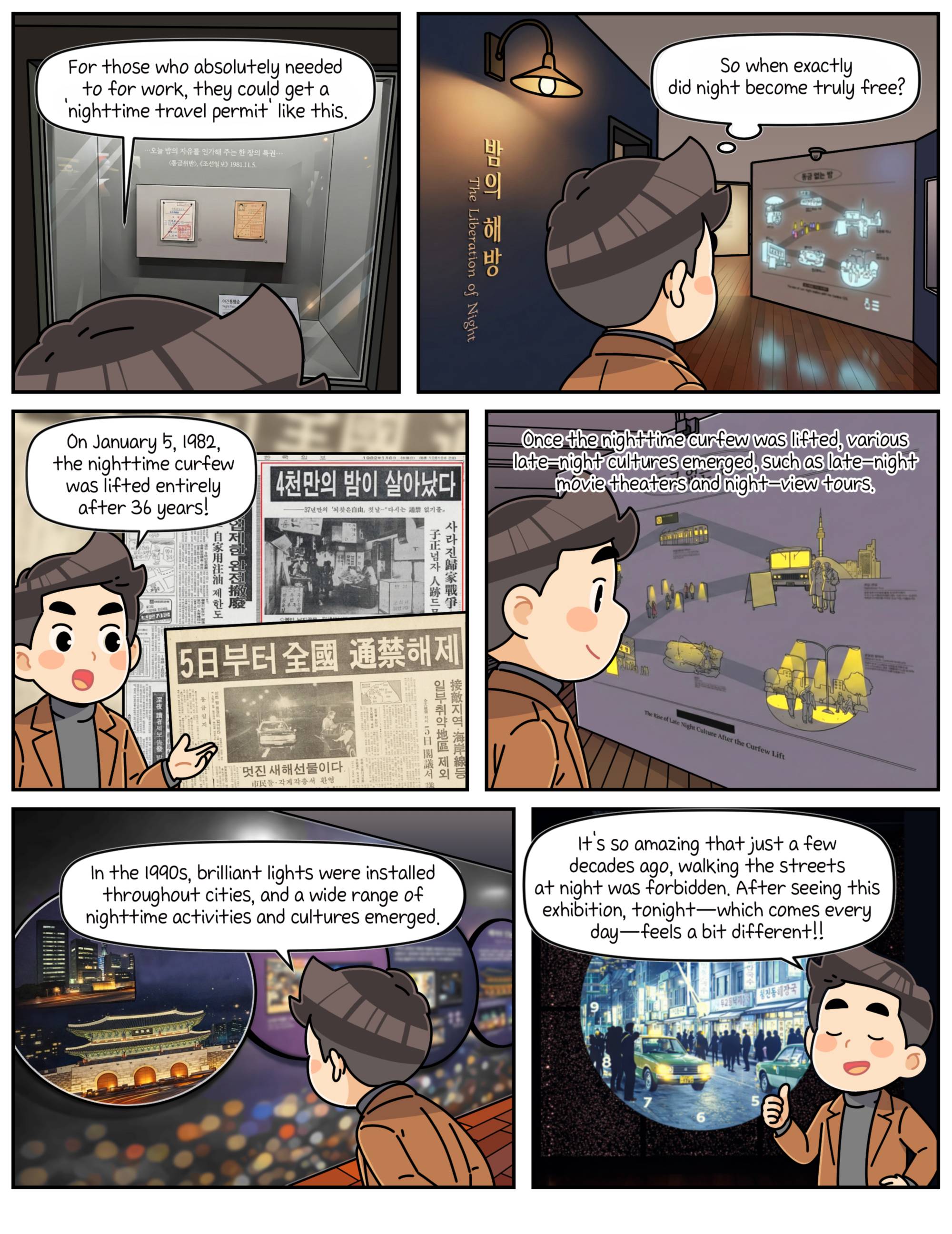
Ironically, the nighttime curfew was lifted entirely on January 5, 1982, during the Chun Doo-hwan military regime. The military government began loosening various regulations under the banner of “liberalization” to silence criticism of its authoritarian rule. The decisive catalyst came in September 1981 with Seoul's successful bid to host the 1988 Olympics. There was a need to create a positive image of Korea for foreign tourists who would visit in the future. Though it was merely superficial “liberalization” under a military regime, reclaiming the four hours taken by the curfew was cause for joy. The expressions of citizens viewing the special edition newspaper announcing the end of the curfew offer a glimpse of that joy. Immediately after the curfew lifted, various late-night cultures emerged, and entertainment establishments, such as bars and nightclubs, flourished most. However, Korea's nights gradually filled with diverse cultures that could be enjoyed throughout daily life. Infrastructure supporting safe and convenient nights—late-night transportation, public safety—was established, and cafes, theaters, and shopping malls became accessible until late hours. Beyond these, various leisure and cultural activities emerged for nighttime enjoyment, such as “Night Goblin Travel” on weekday evenings and nighttime palace openings, continuing to this day and creating diverse nightscapes.
The Lyricism of Night
Part 2 focuses on night's sensibility. When the world's noise subsides and quiet darkness descends, thoughts and emotions different from daytime emerge. At times, we may feel inexplicably melancholic, or find ourselves overwhelmed by emotions and writing reflective posts on social media. This “heart of the night” does not remain only in the present. Long ago, people also tossed and turned with endless worries as night fell, writing love-filled letters while thinking of their beloved.
Though night's landscape has changed dramatically over time, the emotions night evokes continue across eras. Following the traces left by people from different times, we discover that a consistent thread of feeling connects our nights and theirs.
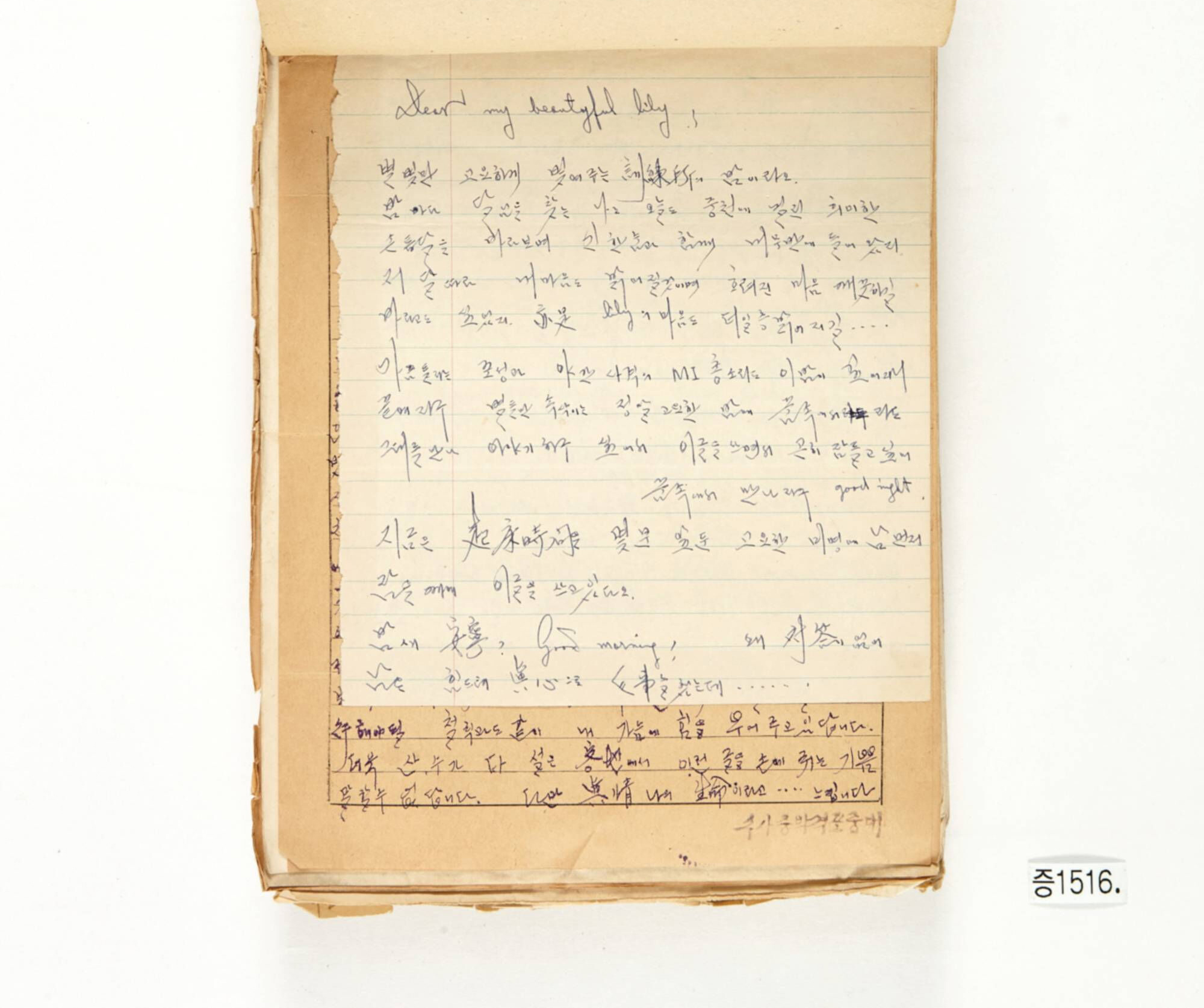
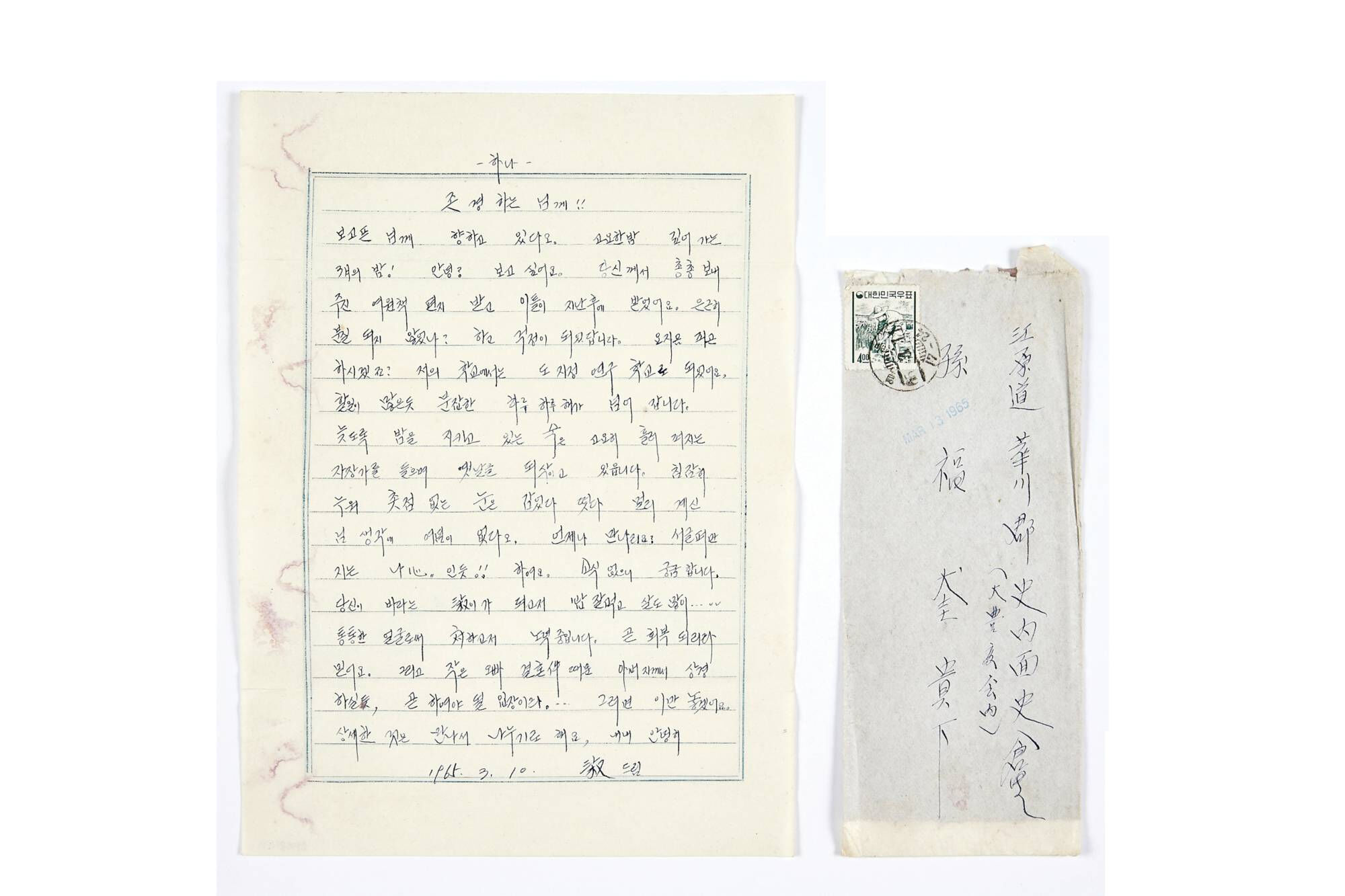 ▲ Letters that lovers wrote to each other every night, 1960s.
Epilogue
The nighttime curfew was a form of oppression in an era that controlled individual freedom and daily life. We have now passed through that time and enjoy nights open to everyone, a complete 24 hours a day. We admire beautiful night views, take overnight trips instead of sleeping, and sometimes gather hearts by holding candlelight. These new ways of using the night have accumulated to create today's nightscapes. We hope that tonight, as it comes again, will feel slightly different through Korea After Dark: Nightscapes of Modern Times.
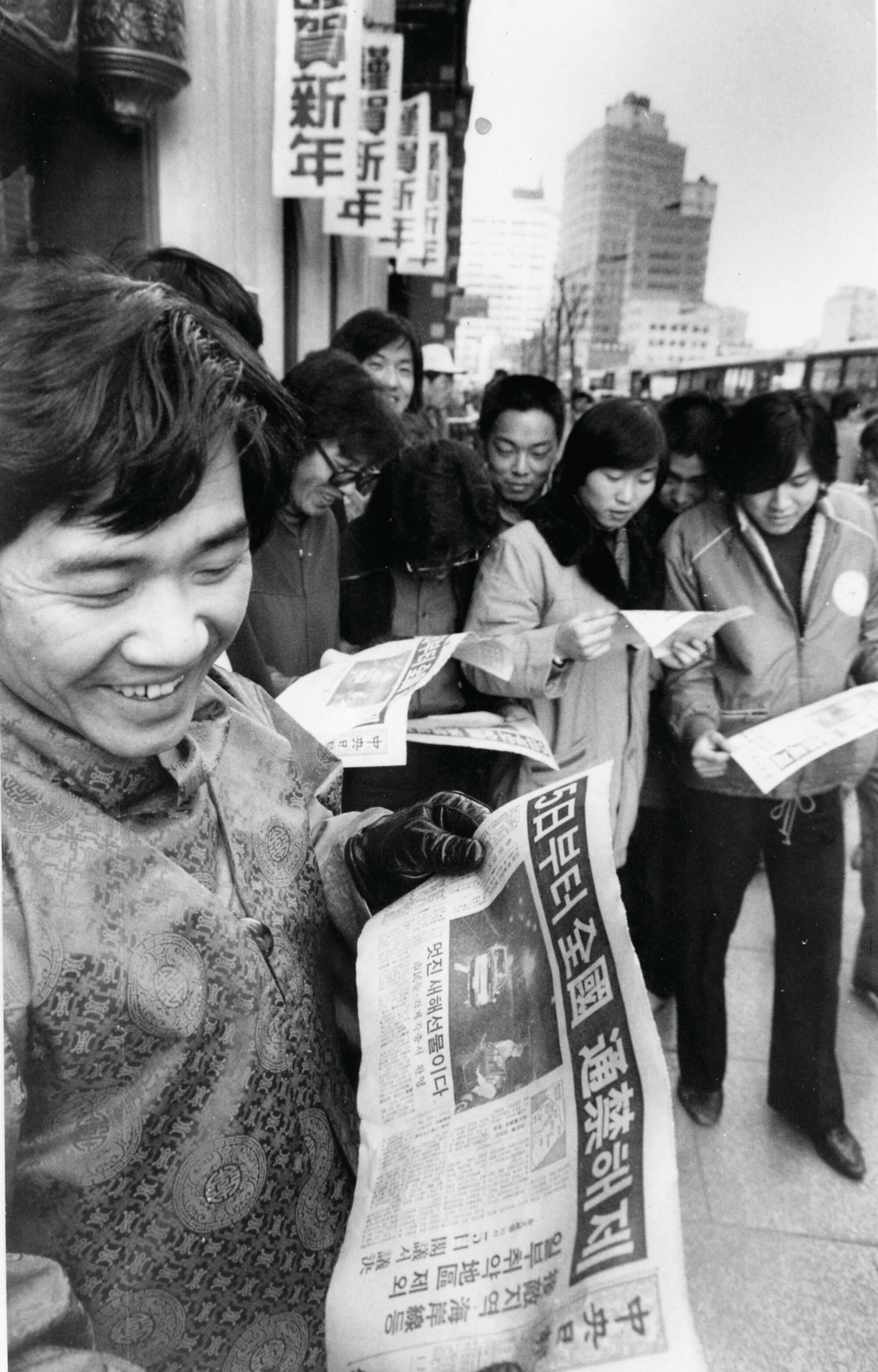 ▲ Citizens rejoicing while viewing the curfew lifting special edition article, January 5, 1982, JoongAng Ilbo.
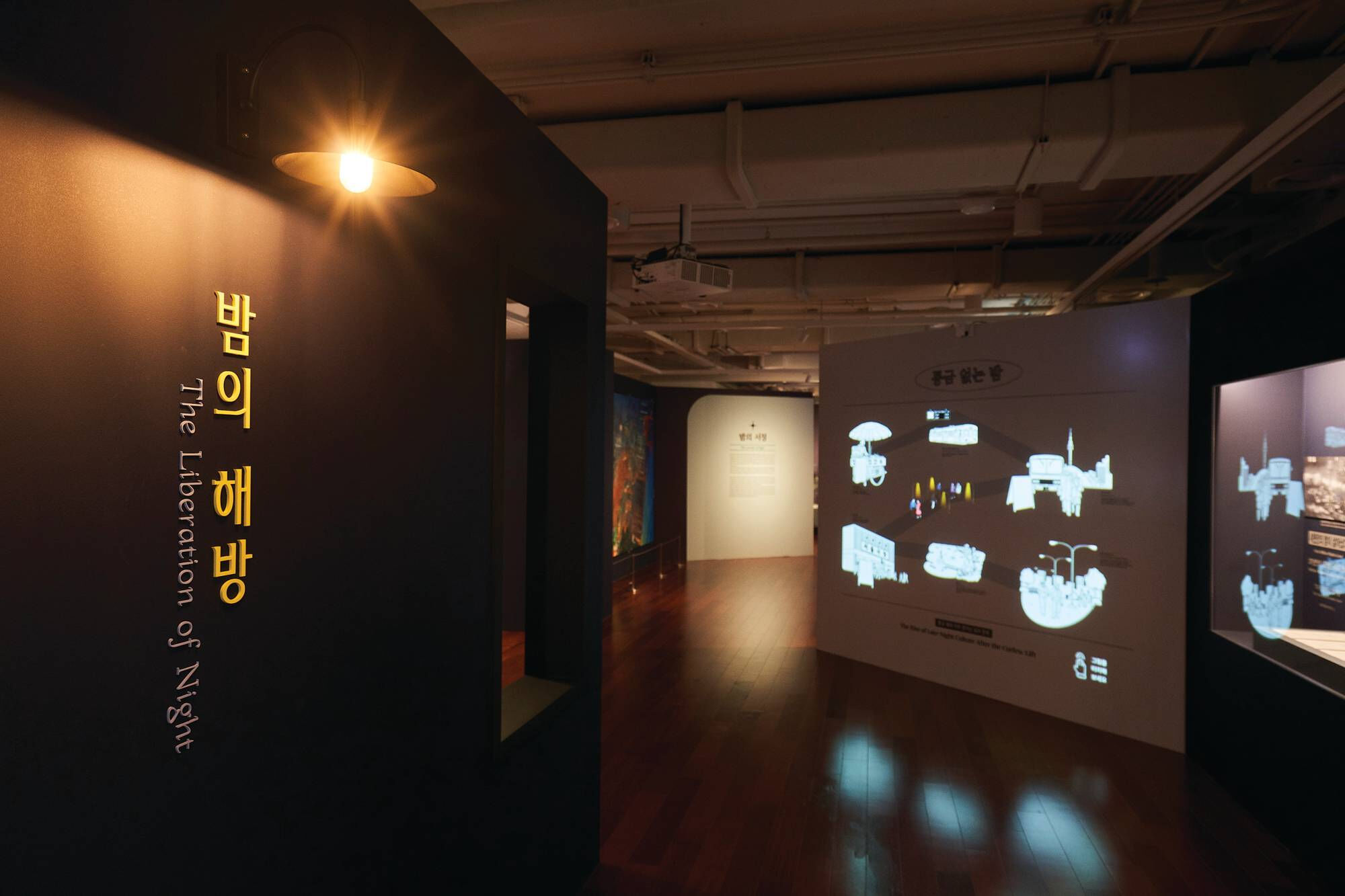
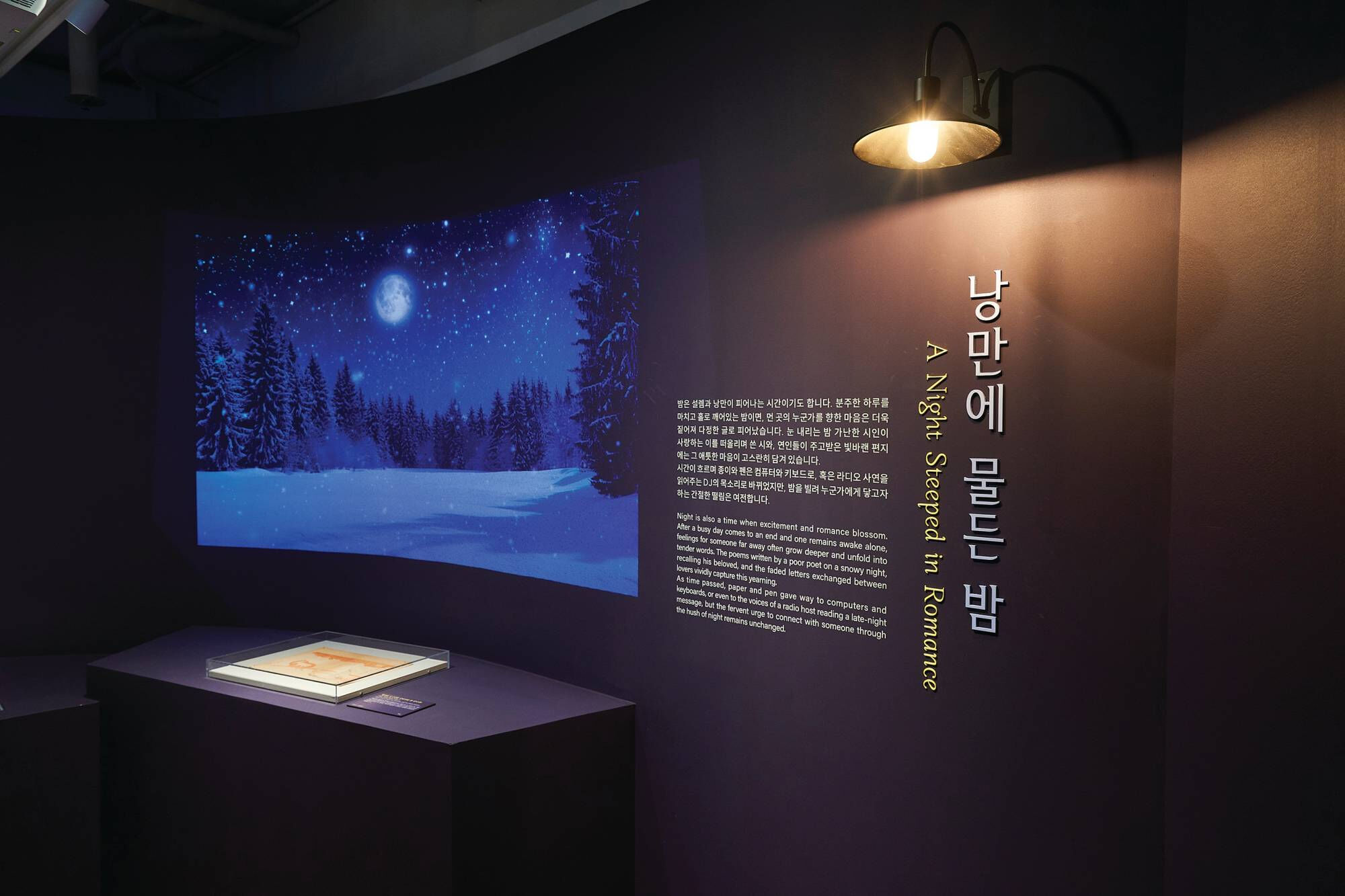
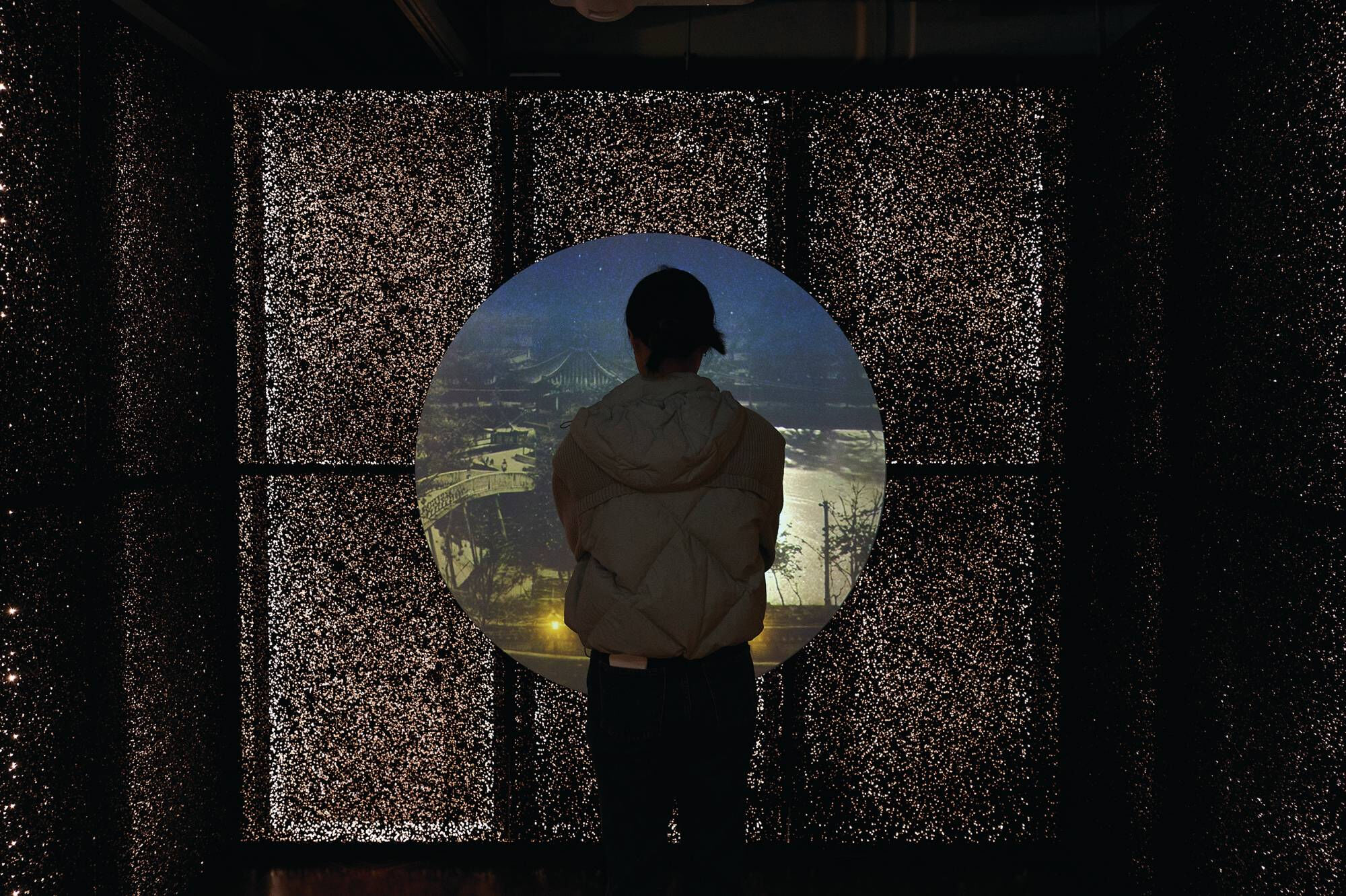
Special Exhibition Korea After Dark: Nightscapes of Modern Times
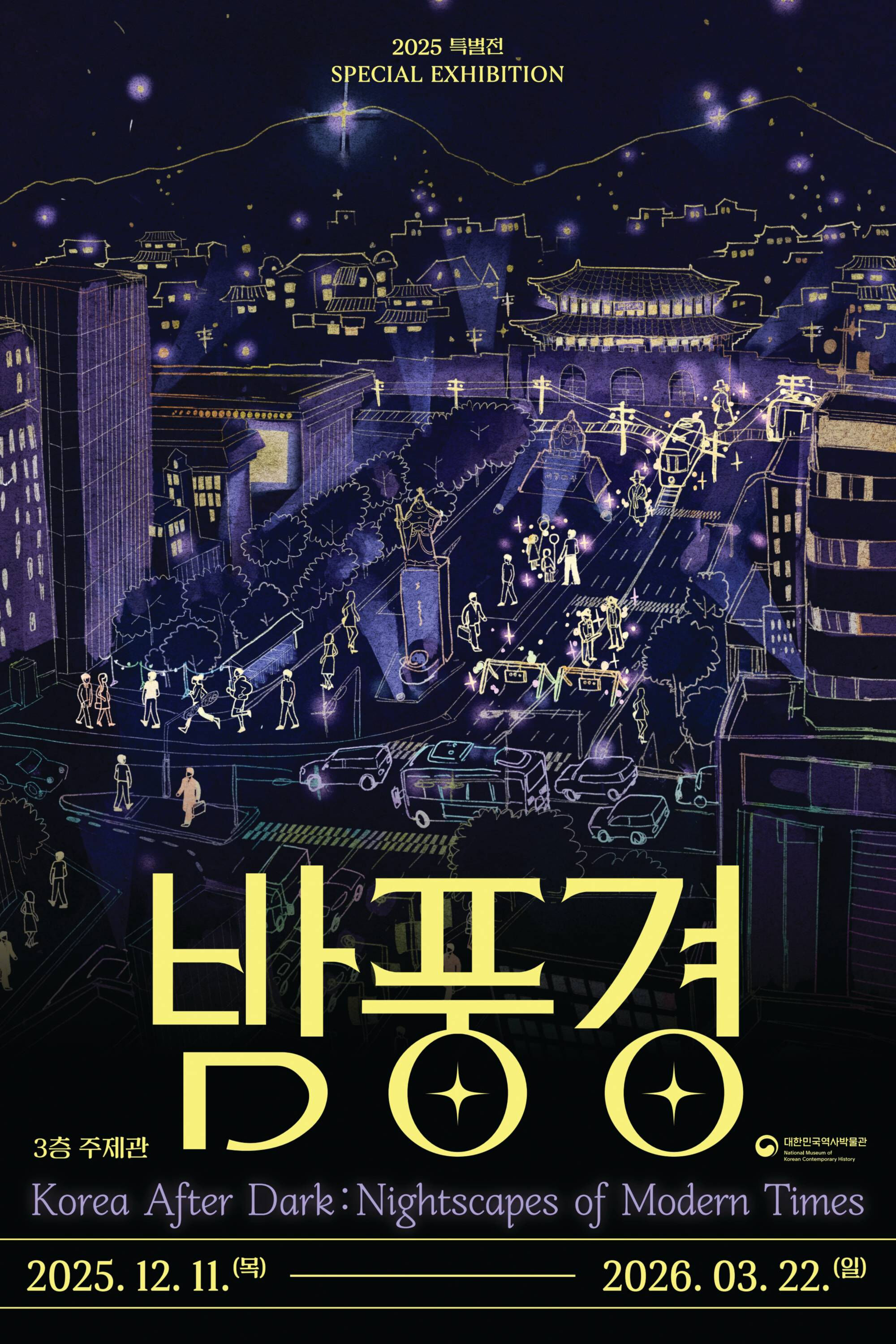
December 11, 2025 (Thu) – March 22, 2026 (Sun)
Thematic Gallery, 3rd Floor, National Museum of Korean Contemporary History
10:00 AM–6:00 PM(Wednesdays and Saturdays 10:00 AM – 9:00 PM)
02-3703-9200
ㅡ An Exhibition in Comics ㅡ
Daebak’s Today
From Curfew Nights to Free Nights, National Museum of Korean Contemporary History Special Exhibition Korea After Dark: Nightscapes of Modern Times
ㅡ Museum People ㅡ
Encountering “People” While Conveying Stories of “History”
Four Docents at the National Museum of Korean Contemporary History
Conveying history in a museum is not simply about delivering information. It is closer to a process of engaging visitors face-to-face, sharing stories, and evoking memories and emotions. While individual historical events might feel cold and distant on their own, docents serve as bridges that connect stories with people. When small fragments of stories come together and turn into lived experience in the hearts of visitors, and exhibitions truly begins to hold meaning. Though docents at the National Museum of Korean Contemporary History have each followed different paths, they all stand before the same question: "How can I best convey this story?"
Looking Back on Time Together
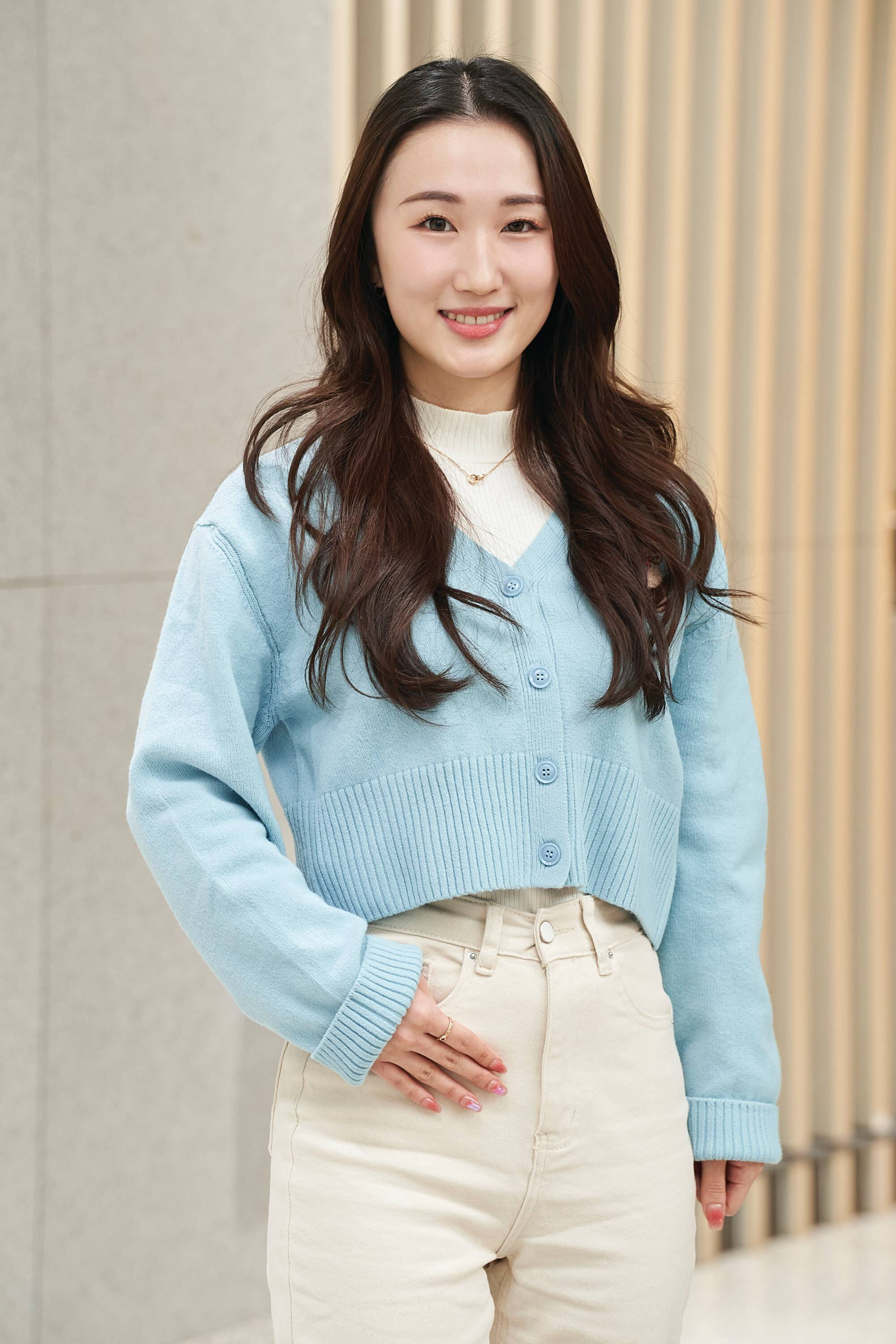 ▲ Kim Yeon-jeong | English Docent
I became a docent because I was attracted to experiencing history—which I had only encountered through books or textbooks—together with visitors in the same space. I found it fascinating how history is conveyed through exhibits, videos, and the atmosphere of the space, and how I could follow that flow together with visitors. The figure I consider most important in the exhibition is labor activist Jeon Tae-il. Though he is introduced only briefly on an inner wall of the exhibition hall, the phrase written there—“Observe the Labor Standards Act”—reminds me each time that the rights we enjoy today were never simply given. I hope he will be remembered for how one person's choice to uphold their convictions, without a special background, continues to this day.
Providing commentary for international visitors presents another challenge. Because Korea's modern and contemporary history is closely intertwined with world history, the starting point of explanation varies depending on the visitor's historical background. English-speaking visitors in particular may be unfamiliar with the historical contexts of colonization and national division, requiring more detailed explanation. When visitors share their own memories, I realize anew that this work is not simply about information delivery but about connecting people and memories. I hope to continue learning and become a docent who conveys history accurately and responsibly.
Sharing the Memories of That Day
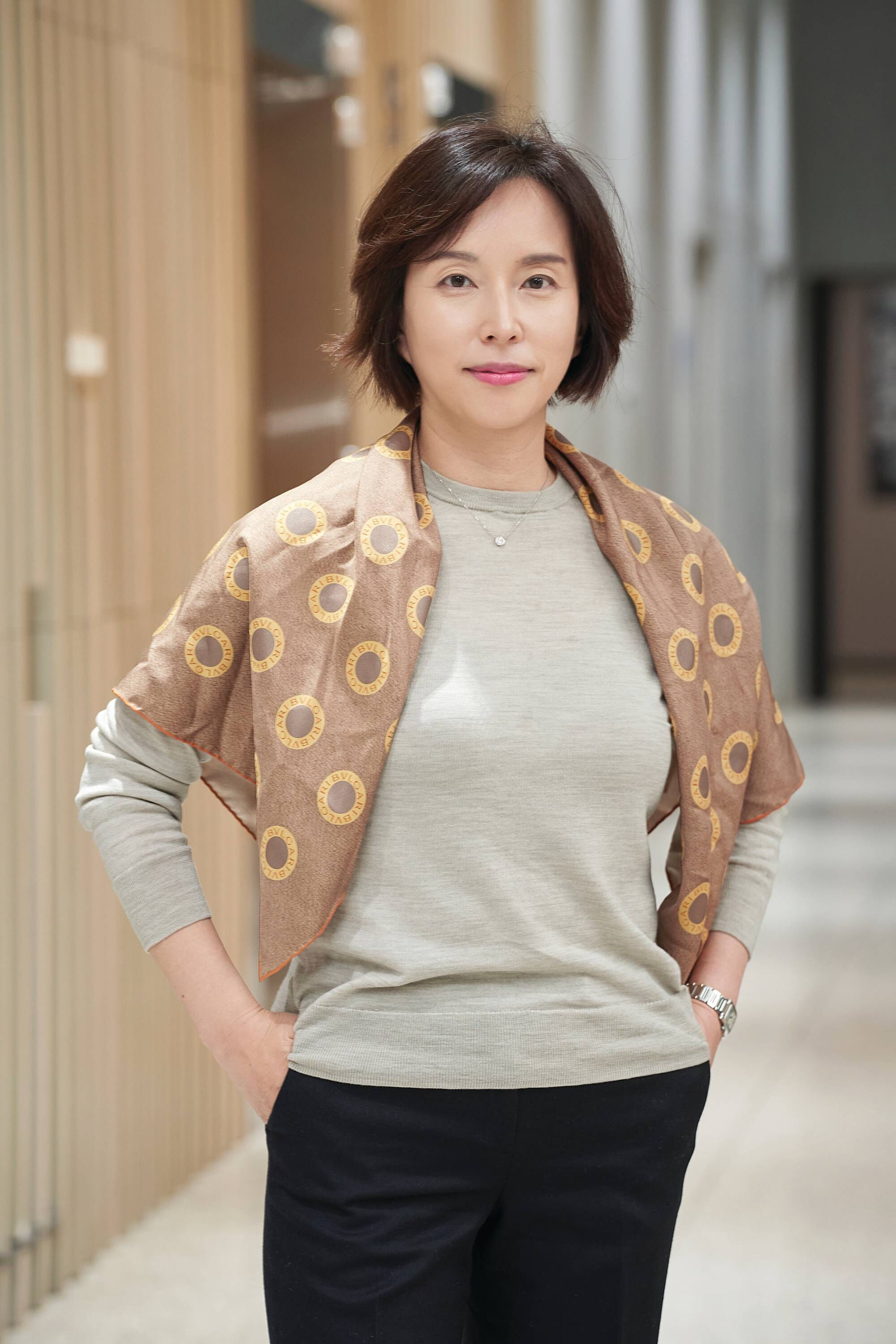 ▲ Park Hye-young | Japanese Dosent
While teaching Korean in Japan, I came to realize how deeply that language encapsulates a nation's history, culture, and way of life. I came to think that understanding a nation's history is essential to understanding its language, and began reflecting on what I knew about the Republic of Korea's history. After this consideration, I decided to pursue a career as a docent. The topic I relate to most at the museum is the Korean War. This war remains in the memories of our parents' and grandparents' generations, and the reality of division continues to affect our lives today. When I stand before photographs of Righteous Army during tours, my heart always feels heavy. Seeing ordinary people who couldn't even leave their names standing at the risk of their lives makes me ask, "Could I have done the same?" That question ultimately changes my attitude toward commentary itself.
I believe commentary is not an obligation that must be listened to from beginning to end—it's enough if even one part remains in the heart. It's fine not to understand everything at once; I hope visitors understand and empathize at their own pace. And I hope the museum becomes a comfortable place they can return to anytime.
Listening to Memories through Different Perspectives
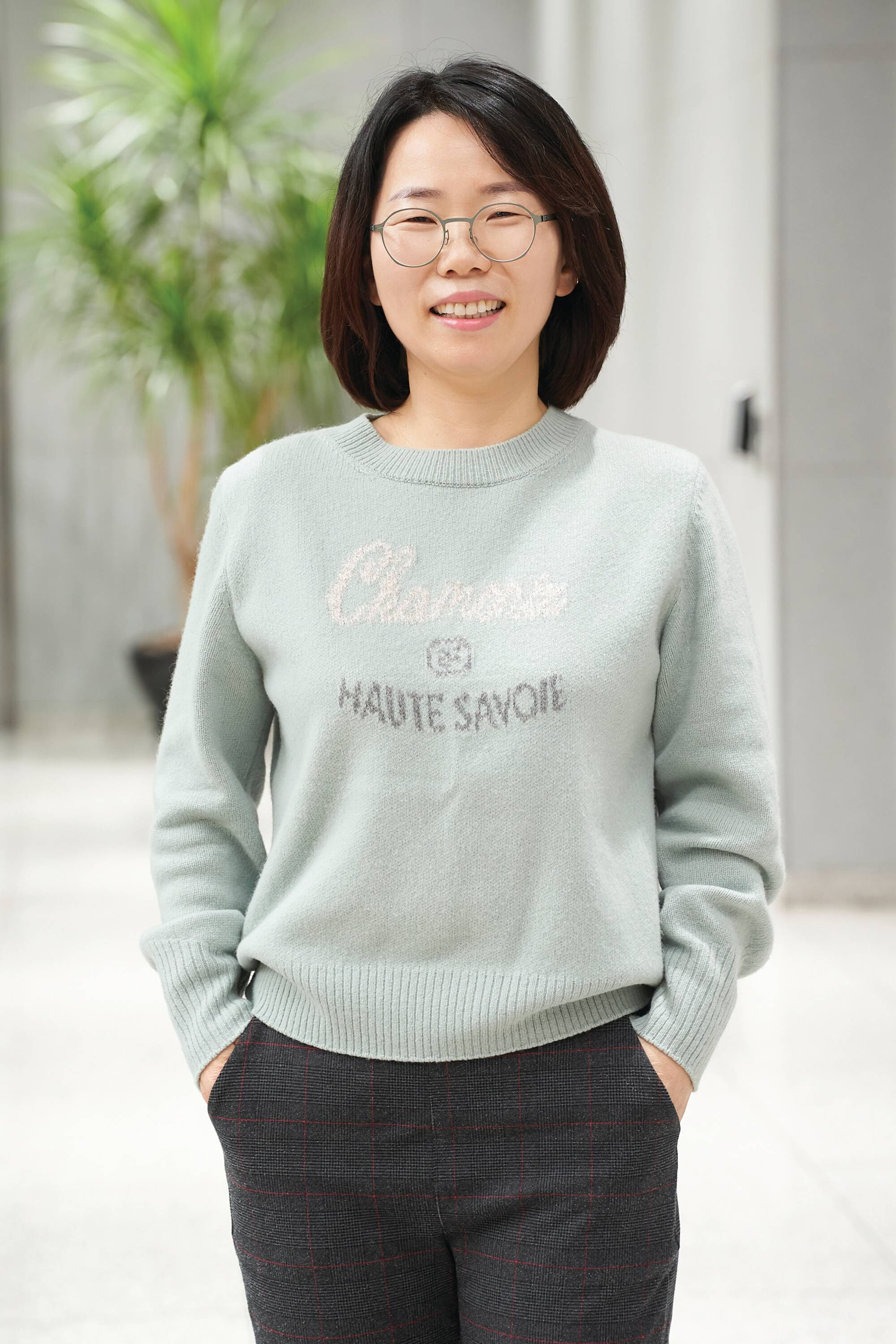 ▲ Kim Kyoung-lim | Chinese Docent
Though I had experience communicating with international tourists at Seoul's tourist information center, I felt there were limits to what I could convey at the time. That experience led me to take an interest in history and museums, and now I connect visitors to stories of Korean society through Chinese. The topic I handle most carefully is the Korean War. This event receives much attention regardless of nationality, but it is also a history in which differing perspectives coexist. Rather than explaining the war from the perspective of a single nation, I guide visitors to understand the situations each country faced at the time. The conflicts and debates I encounter in this process remind me again that historical commentary cannot be separated from the present.
Sometimes I receive sharp questions, but that, too, is evidence that history is deeply connected to individual lives. One tour with a group of elderly men remains particularly memorable. After staying through the entire tour, when one gentleman said, "I felt my life was understood," I realized that museums can become places of comfort beyond simple exhibition spaces. Hoping the museum can become a space for mutual understanding, as it was for him, I will fulfill my role as a docent, connecting past and present.
Putting care into Every Word
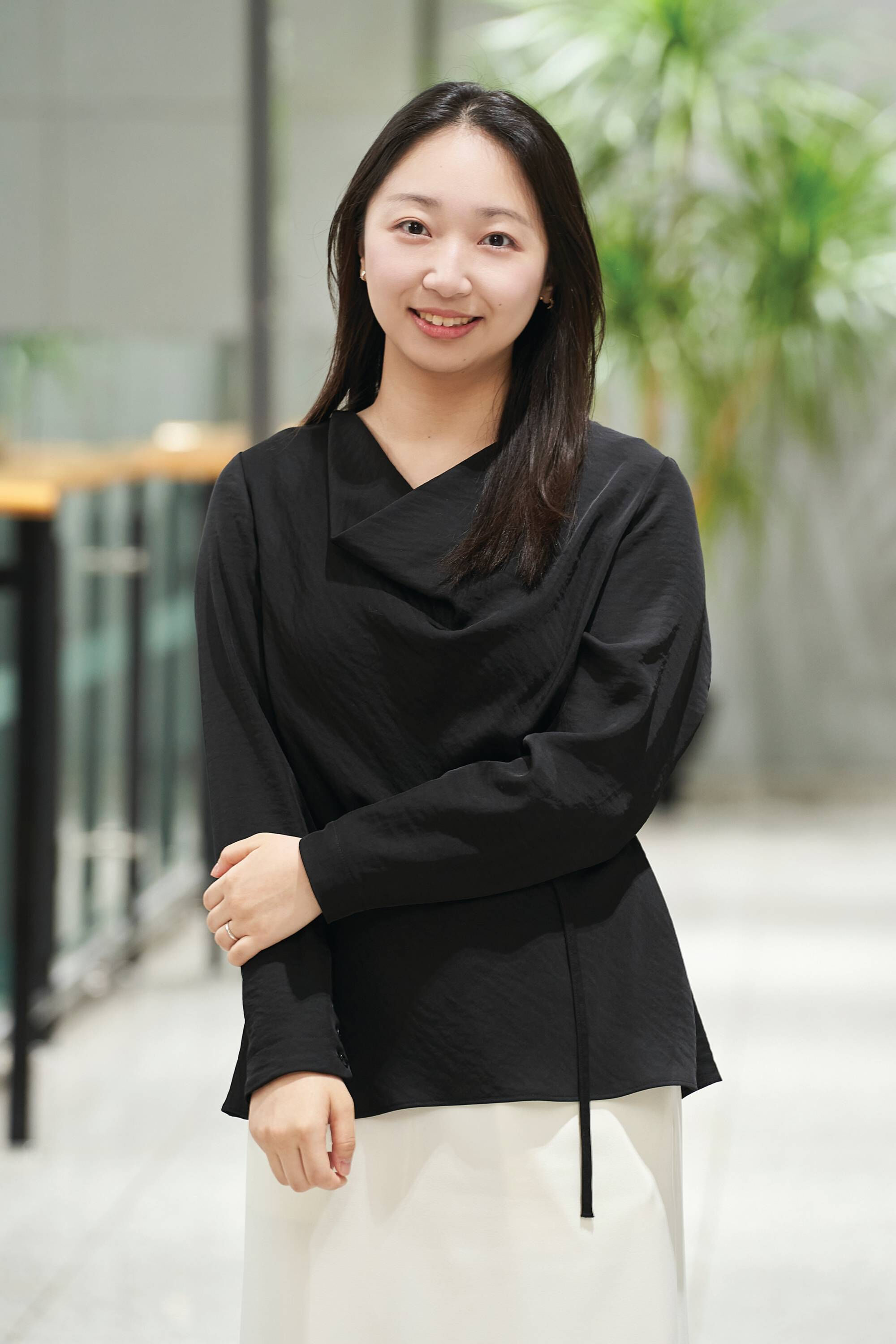 ▲ Park Ju-hyun | English Docent
Though I majored in English education, I double-majored in history education because I wanted to work in museums. The experience of introducing Gyeongbokgung Palace and its museums to international friends in English made me realize that exhibition commentary is another form of education, which led me to where I am today. Before joining the museum, I worked as an education researcher at an art museum. While art museums allow room for personal interpretation, museums require accuracy in every word. I prepare meticulously by consulting history books and archival records, and I adjust how I explain things based on each visitor's age.
The topic that impresses me most at the museum is Korea's first election. Though it marked the beginning of democracy in Korea, it remains relatively little known, and I want to emphasize this part in my commentary. Being a docent is a profession requiring lifelong learning. I want to continue learning and become a docent who can convey stories comfortably and professionally to any visitor. I hope the museum can be a welcoming space for everyne, and I carry that spirit into every tour.
ㅡ News from the National Museum of Korean Contemporary History ㅡ
Reclaimed History and Newly Welcomed Night,
Returning to Ourselves: Reclaiming Our History, 1945-1948 and Korea After Dark: Nightscapes of Modern Times Open
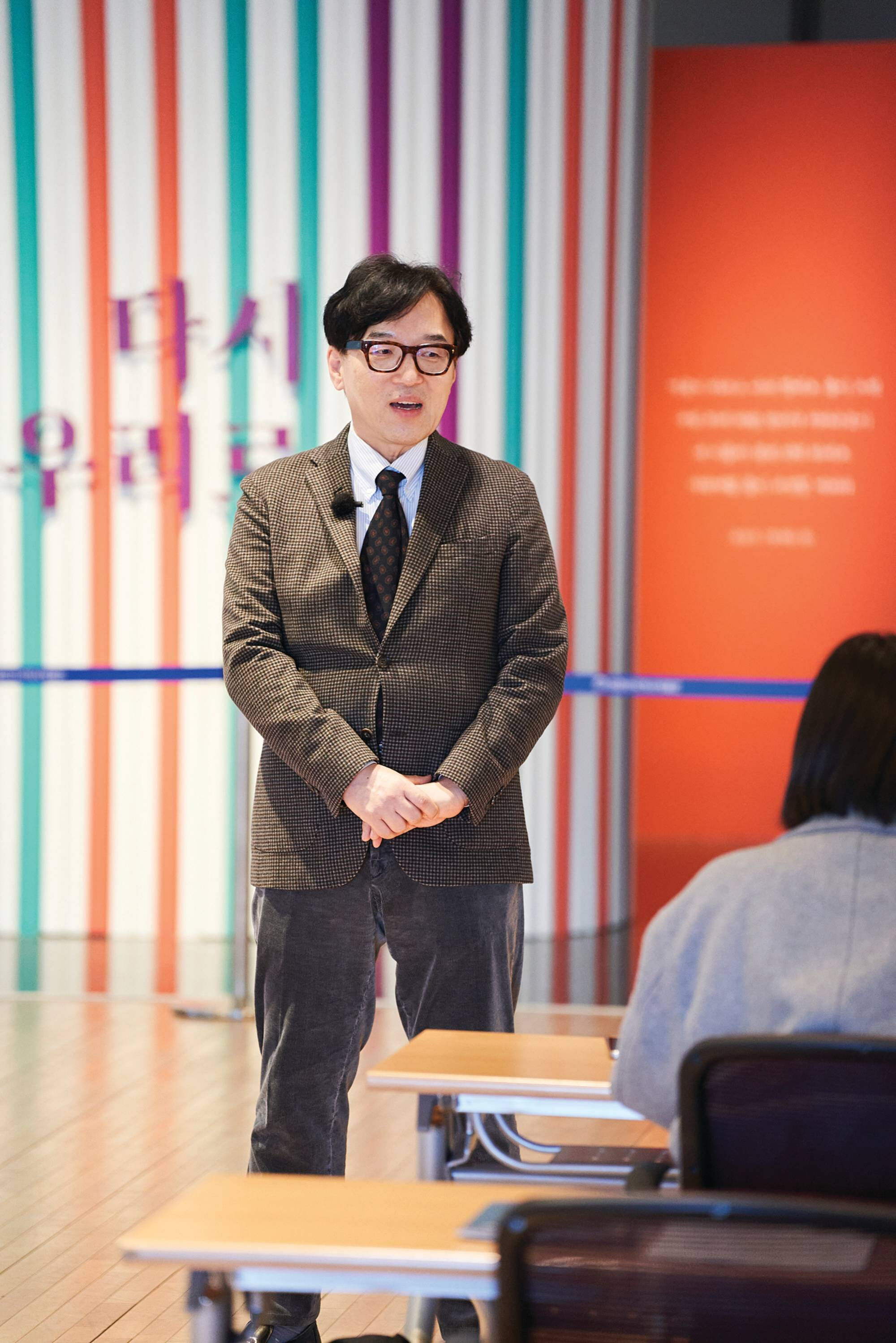
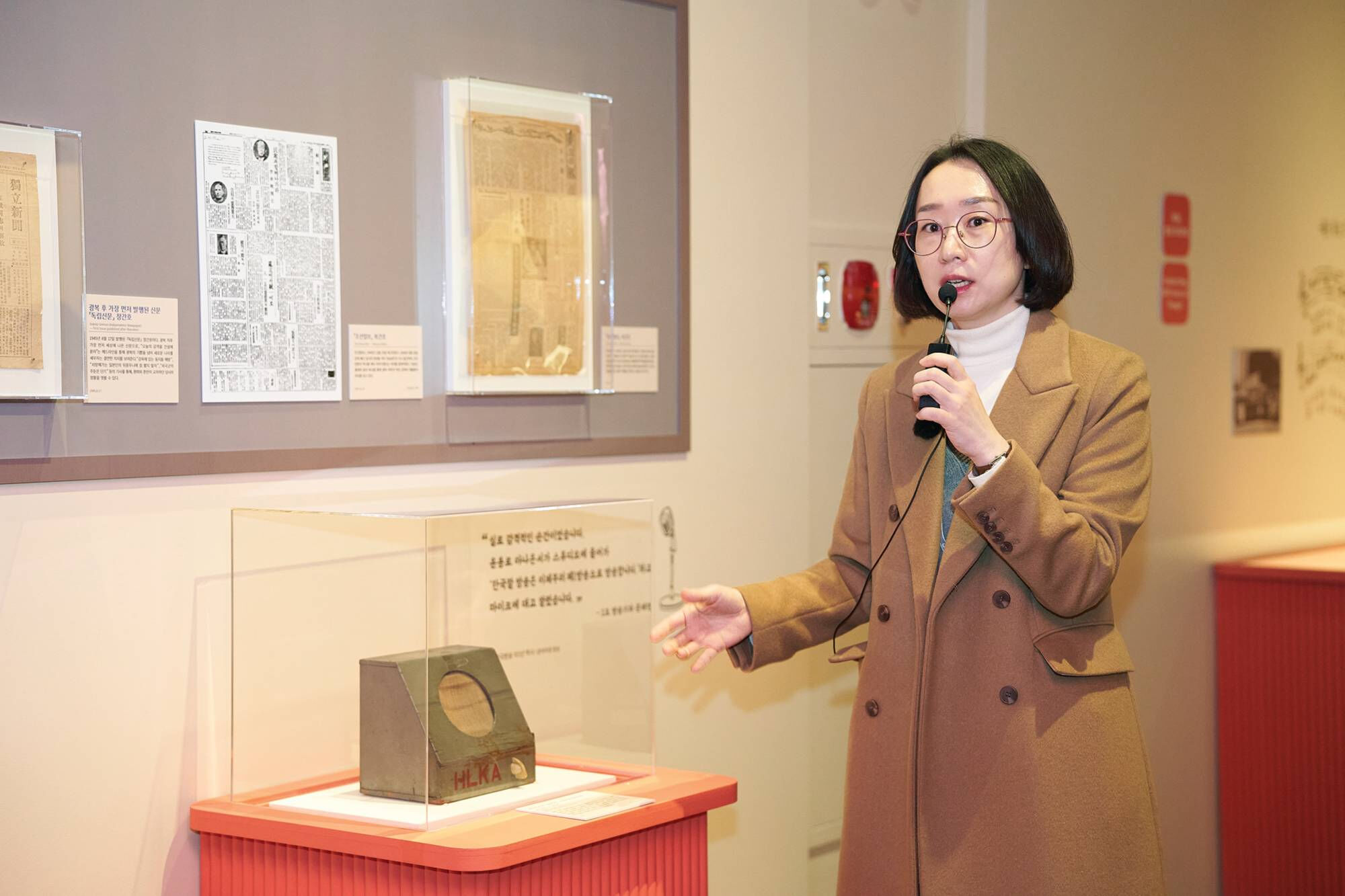
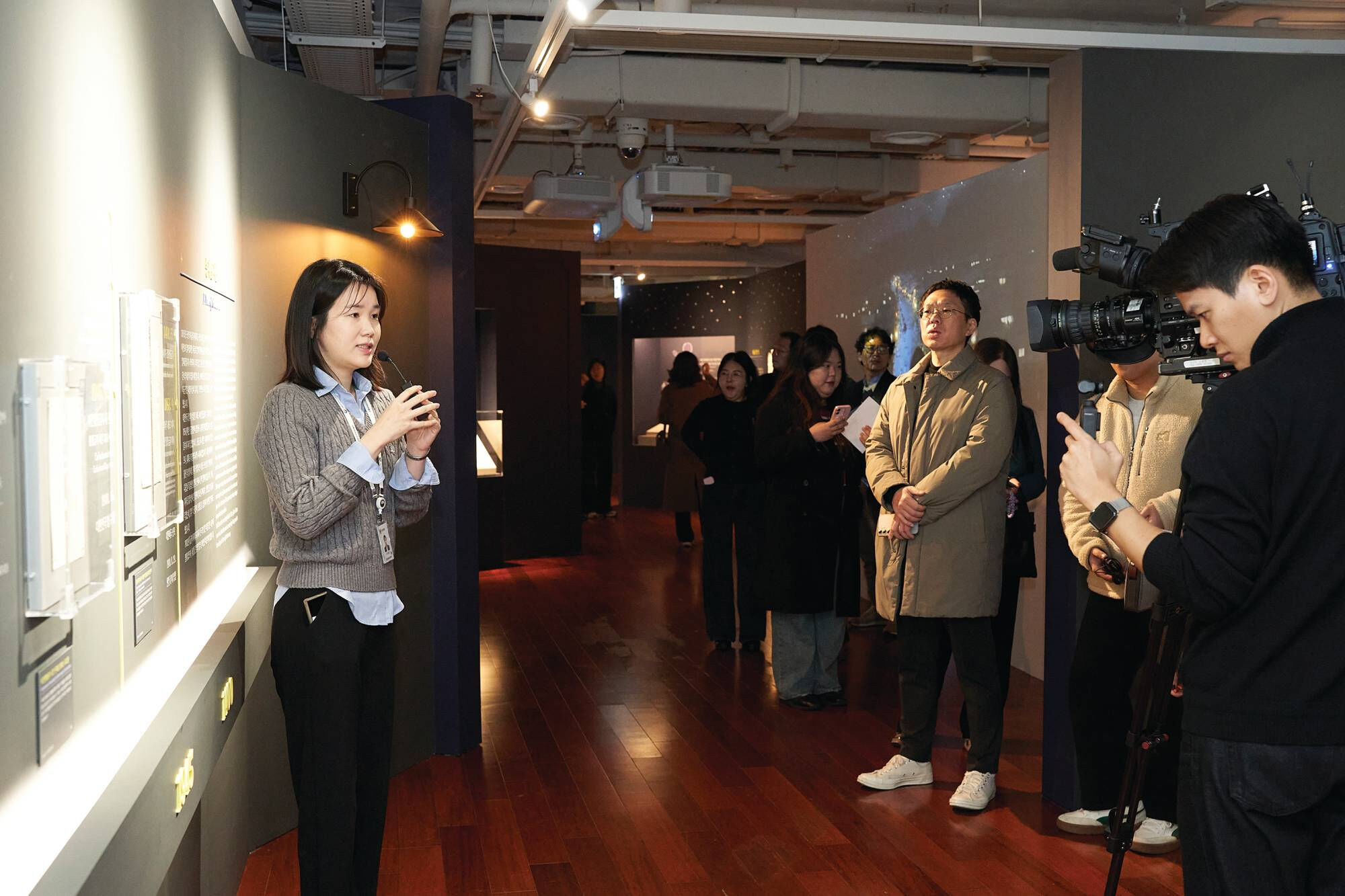
The National Museum of Korean Contemporary History is presenting two special exhibitions to mark the 80th anniversary of Korea's liberation. Returning to Ourselves: Reclaiming Our History, 1945-1948, held in the Special Exhibition Gallery from December 18, 2025, through March 31, 2026, presents our story of recovering language, history, culture, and pride in the year following the Japanese colonial period. Additionally, Korea After Dark: Nightscapes of Modern Times, held in the Thematic Gallery from December 11, 2025, through March 22, 2026, traces the patterns of control and change before we came to enjoy today's free nights.
A press briefing for both exhibitions was held at 10:00 AM on December 18 on the museum's third floor. Curator Lee Myoung-ju stated about Returning to Ourselves: Reclaiming Our History, 1945-1948, “The three years from Korea's liberation through 1948 were not simply a departure from the colonial era but a passionate journey to reclaim our lost names and memories. We hope you experience the passion of that time, when people sought to "reclaim a full sense of who they were.” Curator Lee Jung-yoon introduced Korea After Dark: Nightscapes of Modern Times, saying, “While night is now more vibrant than day, it wasn't always this way. We wanted to show the transformation that made nights free.” Director Han Soo remarked that day, “Both exhibitions are designed as venues where families can visit together—grandparents sharing stories with grandchildren, or parents with children—engaging in enjoyable conversations,” and encouraged continued interest and support.
Nightscapes Through Reading and Jazz, Drawing "Nightscapes" Through Reading and Music Performance Held
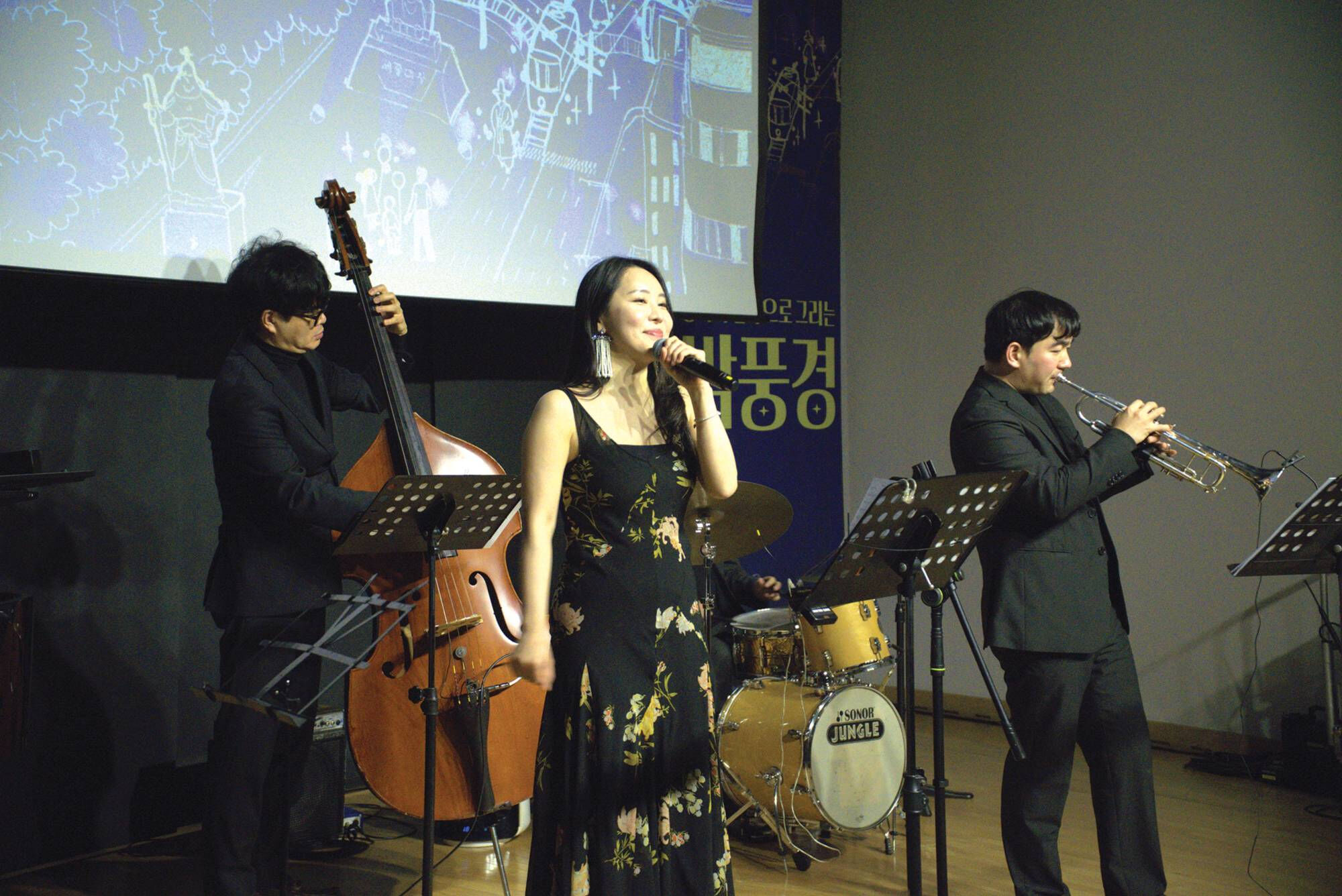
The National Museum of Korean Contemporary History successfully held the Drawing “Nightscapes” Through Reading and Music at 4:00 PM on December 20, 2025, on the third floor of the museum. This performance, linked to the special exhibition Korea After Dark: Nightscapes of Modern Times showcasing historical night scenes, offer a rich, multi-layered portrayal of Korea's nightscapes through literature and music. The jazz ensemble Libri, led by around jazz vocalist Kim Hee-na, captivated audiences by arranging and performing well-known Korean art songs such as Face, Orchard Path, and In Front of That House. Additionally, novelist Kim Bom and playwright Ju Eun-gil added emotional depth to the performance by reading poems by Baek Seok and writing of Jeon Tae-il.
Positive Reviews for Both Facilities and Exhibitions,
"2025 Museum Visitor Satisfaction Survey" Results
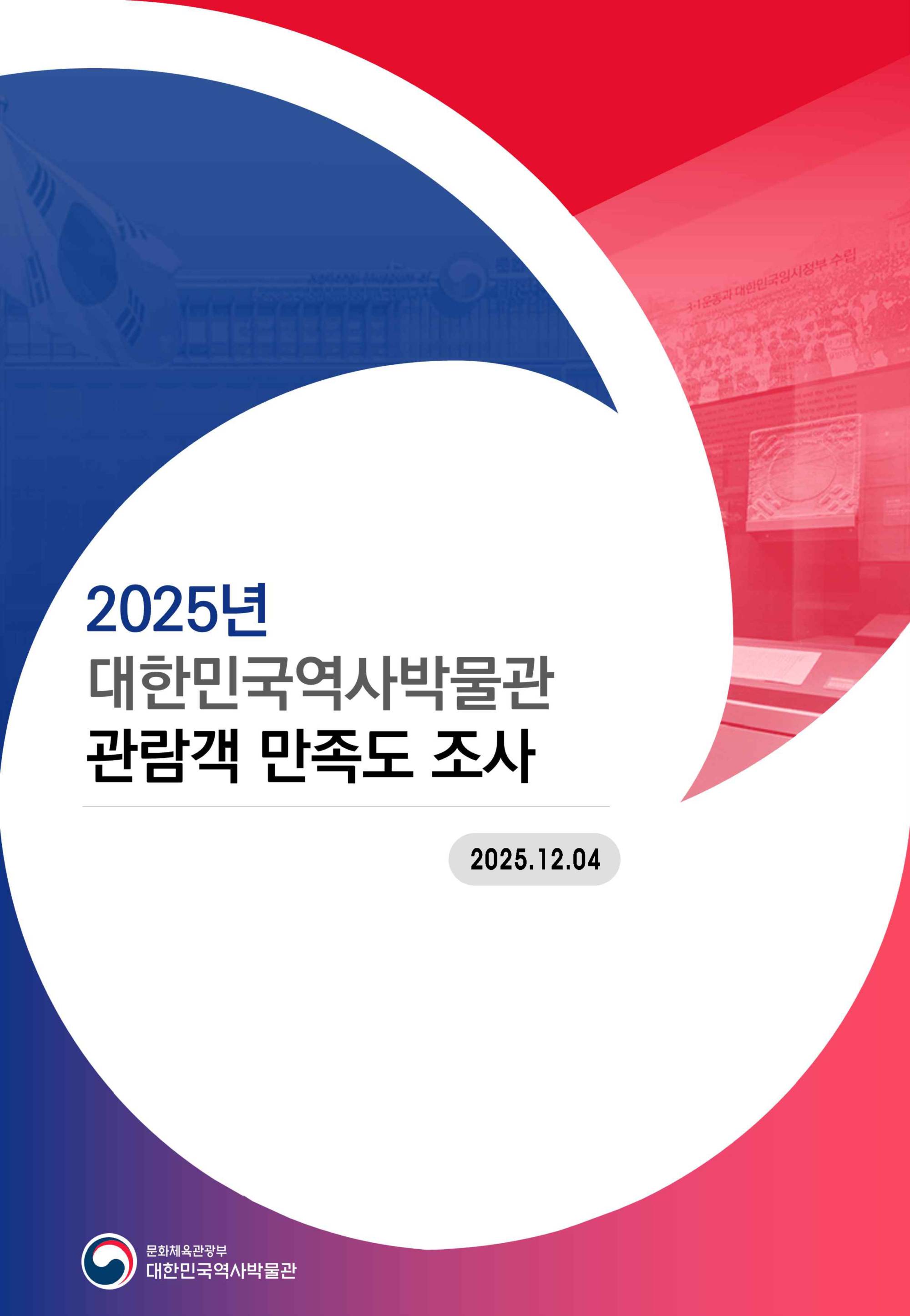
According to the 2025 National Museum of Korean Contemporary History visitor satisfaction survey, overall satisfaction reached 88.2 points, marking a 0.2 point increase from the previous year. The museum received positive evaluations despite limitations caused by year-long renovation and improvement work, including first-floor facility renovations (lobby and storage space creation, establishment of the Seosadam Contemporary History Library and Archive), and rooftop garden maintenance. Special exhibitions marking the 80th anniversary of Korea’s liberation, Records, Memory of You recorded the highest satisfaction, while among visitors facilities, the rooftop garden received the highest score, at 90.6 points.
Sharing Collaborative Network Support Project Results and Discussing 2026 Operations,
Report on “2025 Modern and Contemporary History Museum Network Workshop”
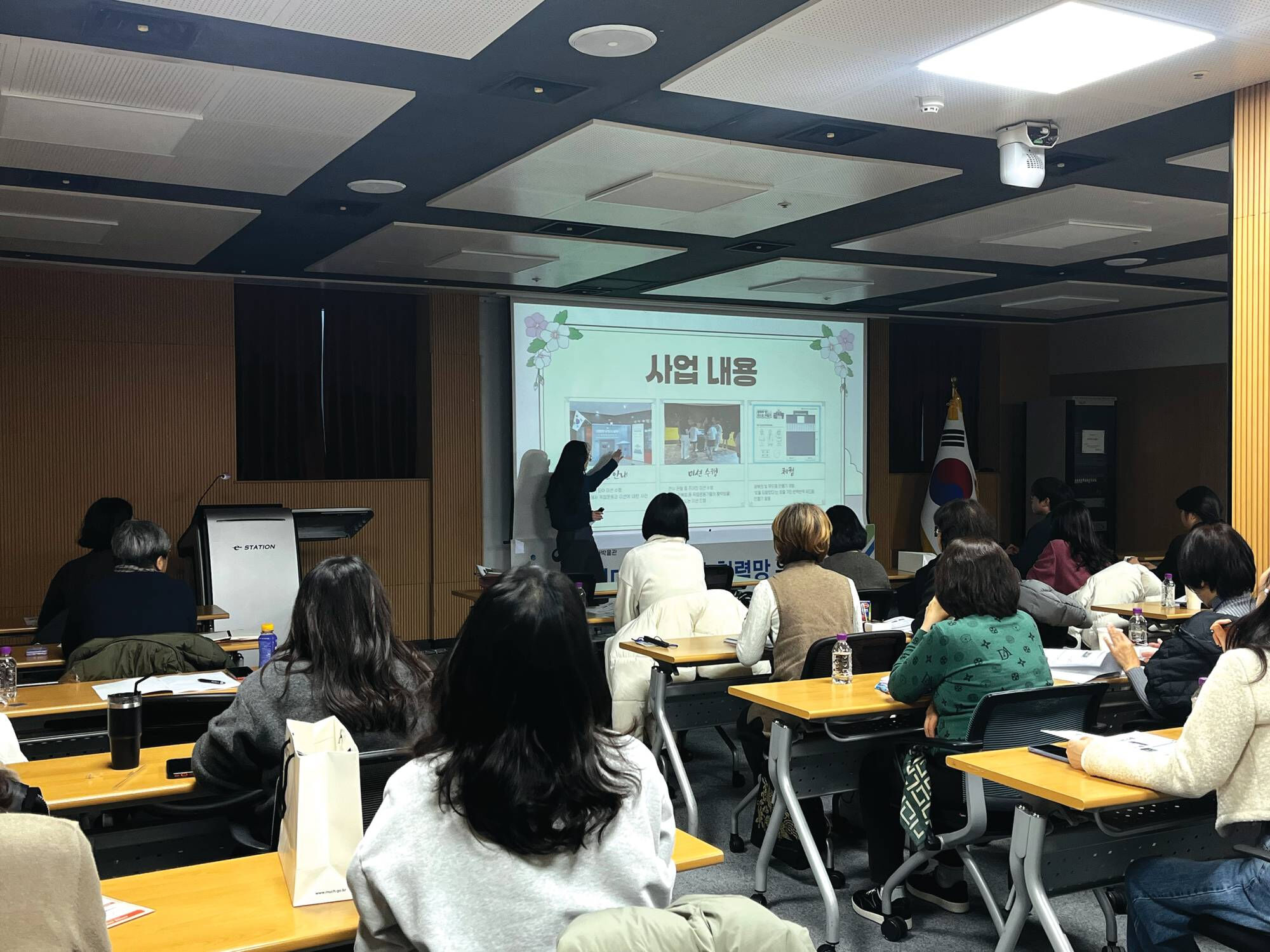
The National Museum of Korean Contemporary History held the 2025 Modern and Contemporary History Museum Network Workshop on December 5 in lecture Room 2 on the museum's sixth floor. The event was attended by 43 people from 28 institutions, including participating institutions in support projects and member institutions of the network. The workshop proceeded with opening and welcome remarks, a network project introduction, support project case presentations, and a discussion of 2026 operations. Director Han Soo emphasized the significance of the network project and future development directions in his welcome remarks.
Support project presentations were organized into three sessions. In the first session, Gyeongsangbuk-do Independence Movement Memorial Hall, Dongducheon Freedom Protection Peace Museum, and Hapdeok Irrigation Folk Museum shared their cases. The second session featured case sharing by the Mok-A Museum, Provisional Capital Memorial Hall, Jeonju Traditional Liquor Museum, and Lighting Museum. In the final session, the Dooly Museum, POW Camp Memorial Museum, Korea Manhwa Museum, and Handok Museum introduced the achievements of the 2025 support projects.
The workshop concluded with a discussion of 2026 network operations. Participants spent meaningful time sharing concrete measures, including diversifying the scale of support projects, developing programs for mutual advancement among member institutions, and publishing a network-led series.
Cultural Joy Through Exhibitions and Experiences,
2025 Seoul Museum Festival Held
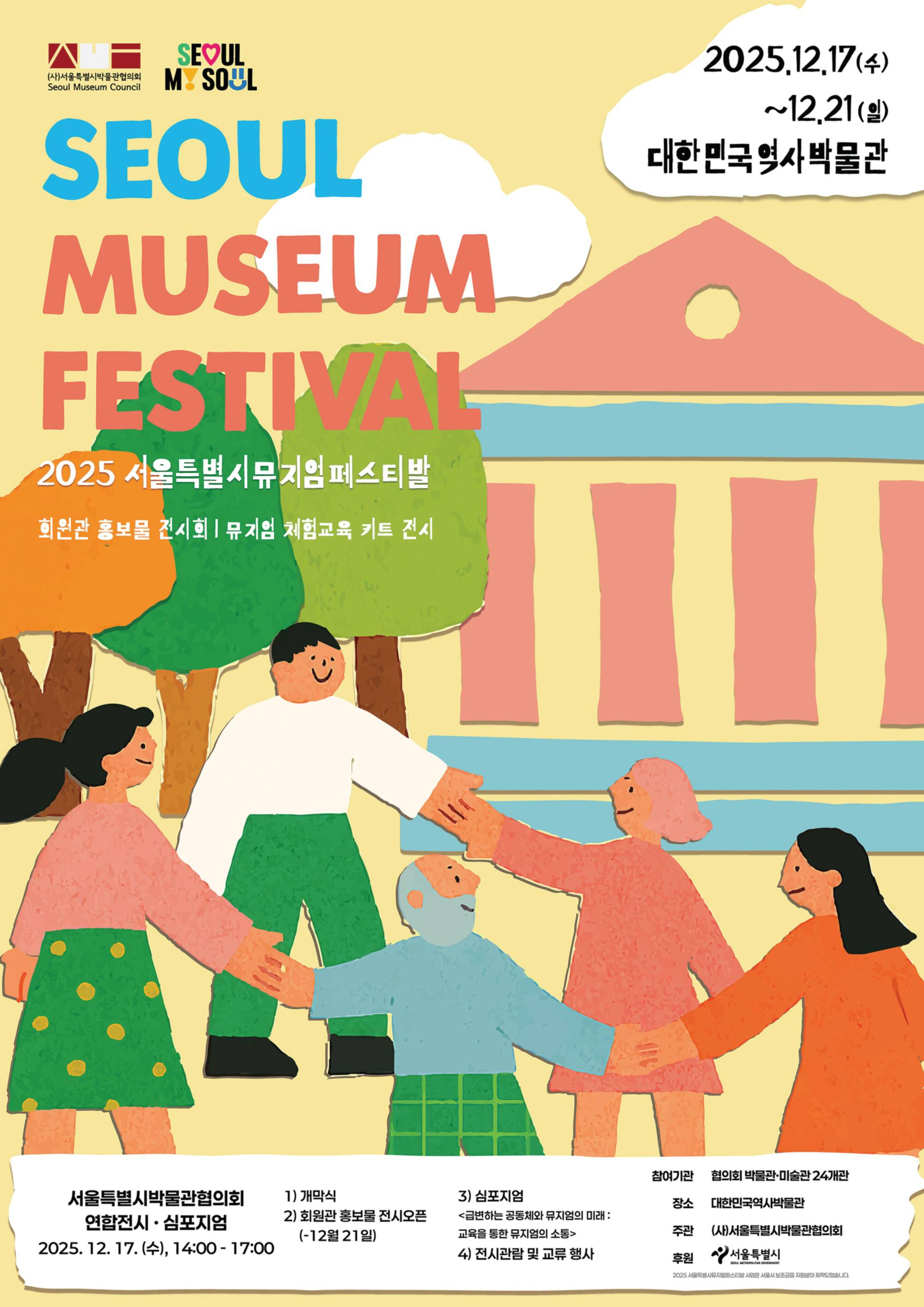
The National Museum of Korean Contemporary History and the Seoul Museum Council held The 2025 Seoul Museum Festival–Seoul Museum Harmony at the National Museum of Korean Contemporary History from December 17 to 21, 2025. Centered on the theme “Rapidly Changing Communities and the Future of Museums: Museum Communication Through Education,” the event explored how museums can grow alongside citizens in a changing society.
Sponsored by the Seoul Metropolitan Government, the event took place primarily in the museum's first-floor lobby and sixth-floor lecture rooms, with members museums and art museums participating and presenting various exhibitions and hands-on programs. At the opening ceremony and symposium, Park Mi-jeong, Chair of the Seoul Museum Council, and Han Soo, Director of the National Museum of Korean Contemporary History, delivered opening and welcome remarks, followed by congratulatory addressed from Kim Jong-gyu, Director of the Samseong Museum of Publishing, and Kim Eui-gwang, Director of the Mokin Museum. Subsequently, Kim Hye-suk, Deputy Director of Figure Museum W, presented on “Lifelong Learning Approaches and Self-Supporting Operation Models for Museums for All,” and Jeong Ji-eun, Officer of the National Museum of Modern and Contemporary Art, presented on “Digital Technology and the Future of Art Museums,” followed by a comprehensive discussion with all participants.
This festival provided citizens with an opportunity to experience museum culture directly and to confirm the potential of Seoul's museum network.
Modern and Contemporary History Through Industry, Space, Literature, and Records,
2025 5th and 6th Modern and Contemporary History Colloquia Held
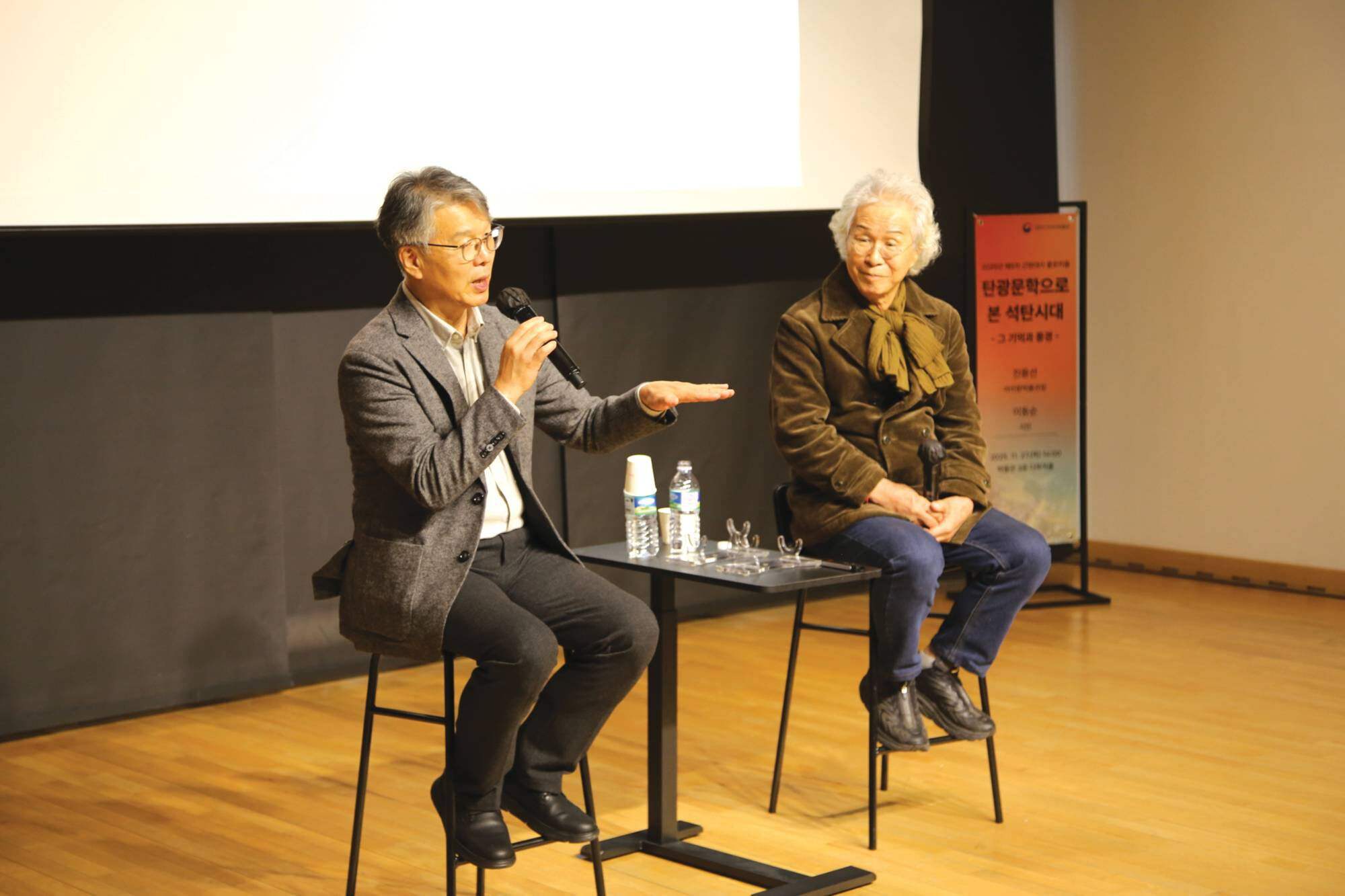
The National Museum of Korean Contemporary History held the 5th and 6th Modern and Contemporary History Colloquia in November and December 2025. These colloquia examined modern and contemporary history from diverse perspectives through industry, space, literature, and records, offering visitors opportunities to share their significance.
The 5th Colloquium, The Coal Era Through Mining Literature: Its Memory and Landscape, held on November 27, addressed the coal industry and mines that played essential roles in Korea's industrialization, as well as the lives of miners and mining villages, and the significance and key works of mining literature. Jin Yong-seon, Director of Arirang Archive, and poet Lee Dong-soon delivered thematic presentations, followed by Q&A with the audience, which generated diverse tho0ughts and discussions on related fields. This colloquium gained additional significance in connection with the museum's 2024 special exhibition Coal Era and recent discussions about registering mining cultural heritage as World Heritage.
The 6th Colloquium, “Days and Changes of Gwanghwa—Gwanghwamun Through Photographs, Videos, and Maps," held on December 11, commemorated the 13th anniversary of the National Museum of Korean Contemporary History's opening. It examined the transformation of Gwanghwamun, a nationally symbolic space, and its surrounding area through photographs, videos, and maps. Presentations and discussions by author Baek Yun-seok (The Docent) and Professor Yeom Bok-gyu from University of Seoul's Department of Korean History, along with audience Q&A, illuminated Gwanghwamun's history and significance from multiple angles.
Walking Seoul's History with Books,
Book Talk
Strolling Through Seoul's History
Held
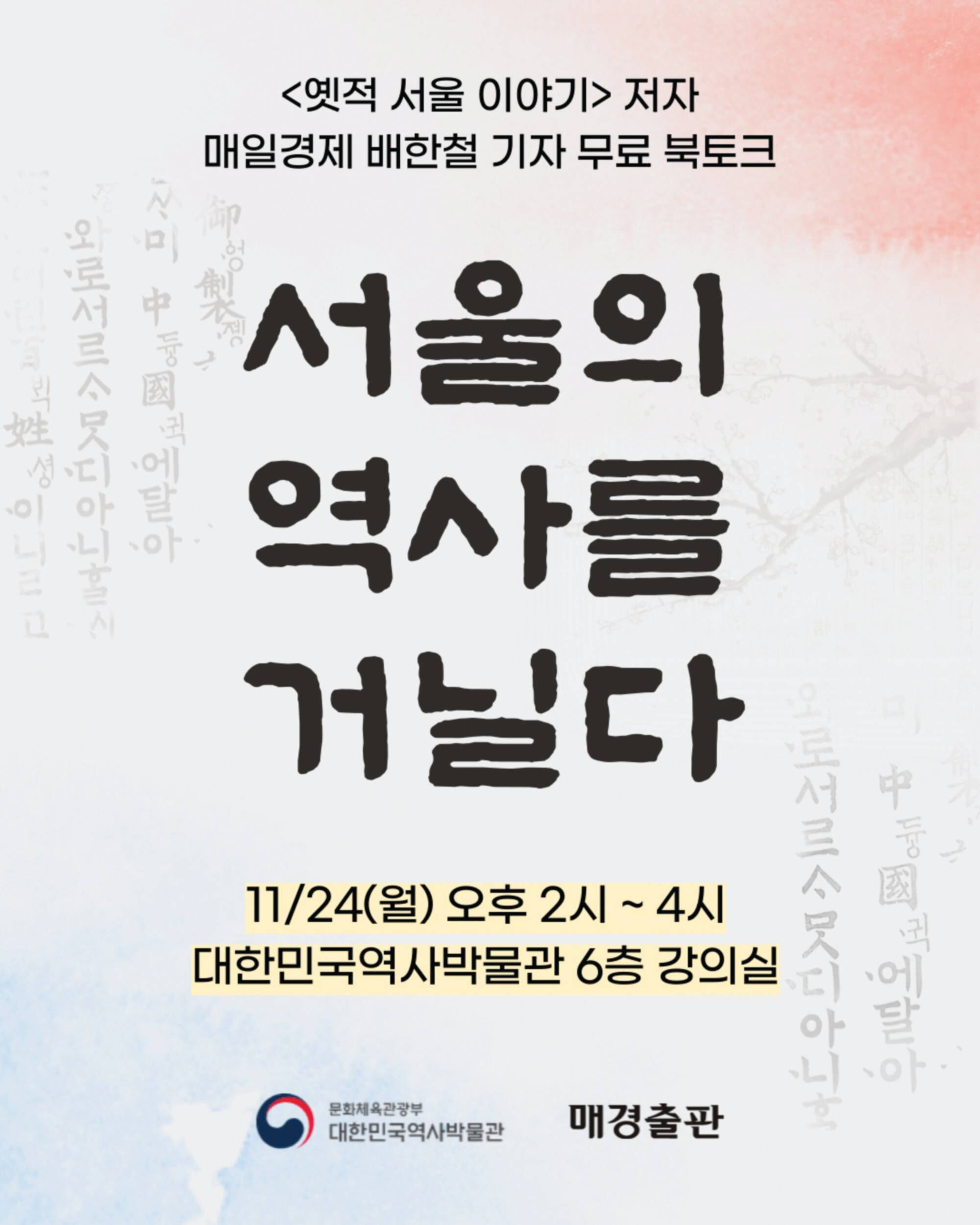
The National Museum of Korean Contemporary History held a Seoul history book talk, titled Strolling Through Seoul's History, on November 24, 2025, in lecture Rooms 1 and 2 on the museum's sixth floor. This event was planned to diversify historical and cultural content and to broaden engagement with the public. Author Bae Han-cheol led the book talk. The lecture introduced Seoul's history and culture under the theme “Strolling Through Seoul's History,” followed by a Q&A session with citizens.
A Healthy Nation: Healthcare in the Republic of Korea Published
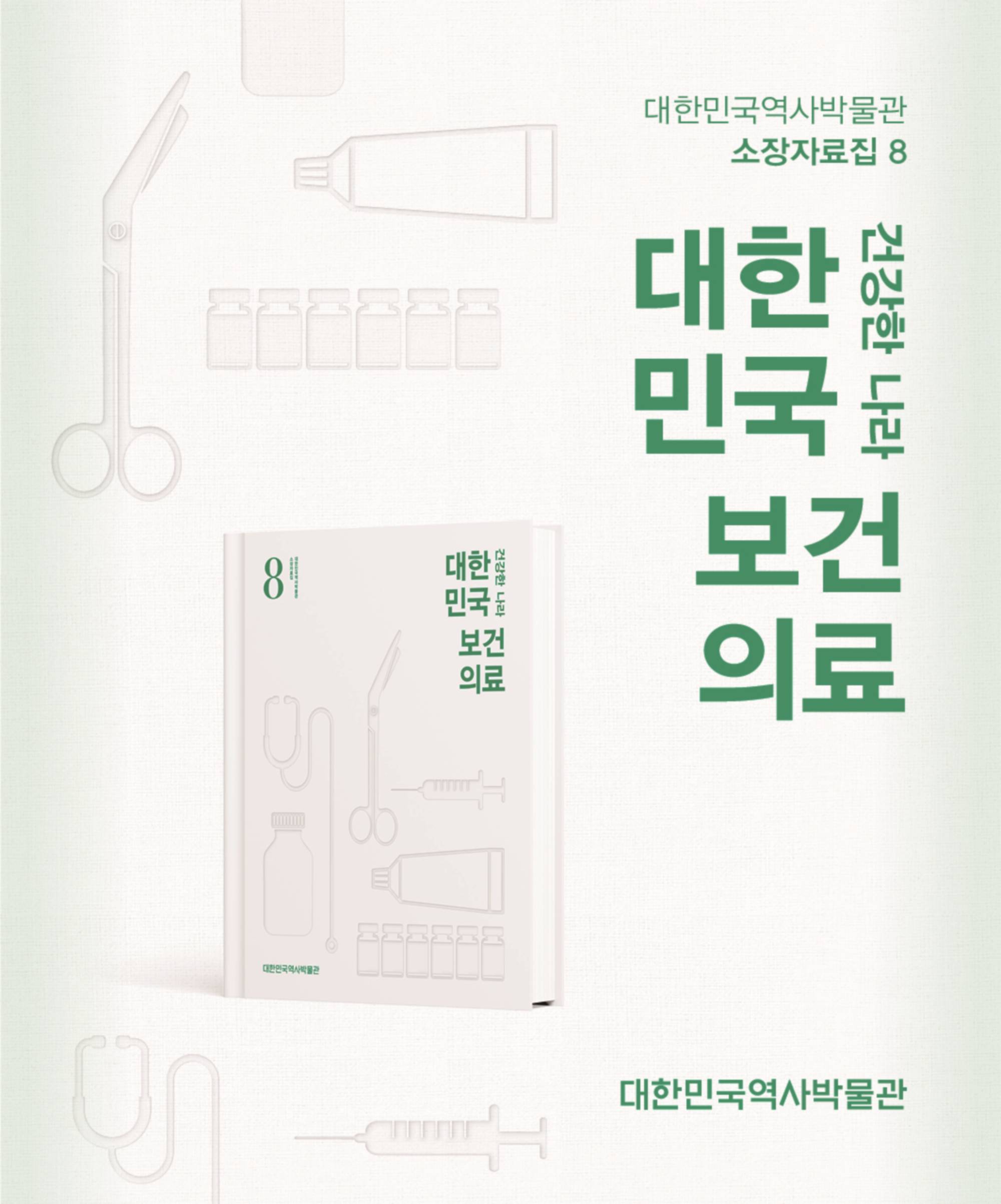
The National Museum of Korean Contemporary History published Volume 8 of its Collection catalog series, A Healthy Nation: Healthcare in the Republic of Korea, in December 2025 to commemorate the 80th anniversary of Korea's liberation. The catalog presents 130 years of history surrounding disease and life, from the introduction of modern medicine during the port-opening period through COVID-19, featuring 362 healthcare-related items from the museum's collection organized into five core themes: “The Adoption of Modern Medicine, Pharmaceuticals, and Healthcare”, “The Growth of Korea's Pharmaceutical Industry and Medicines”, “Changes in Hygiene Awareness and Public Health Systems”, “International Medical Cooperation”, and “Infectious Diseases”.
Interactive Gallery Upgraded
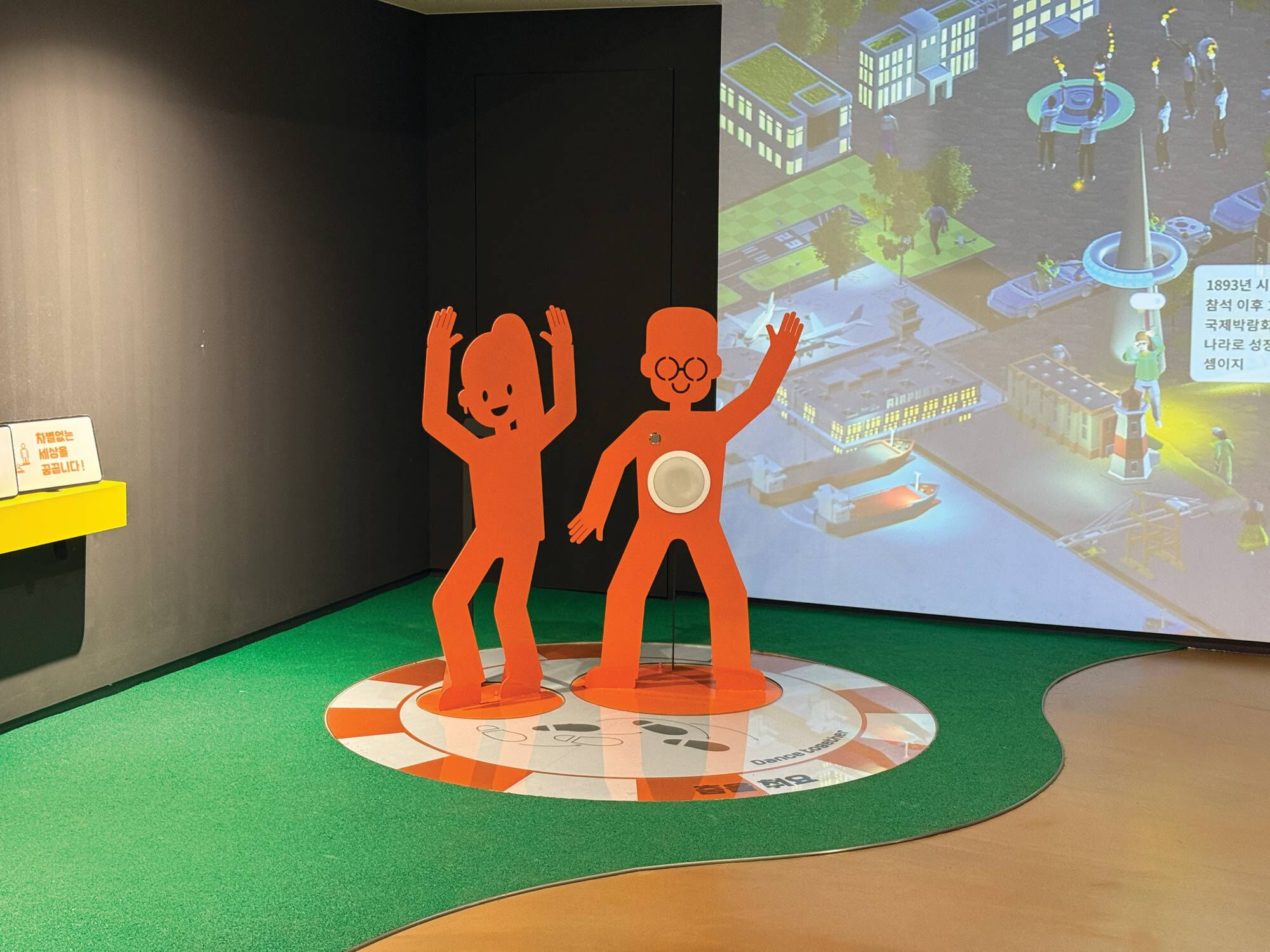
From November 17 through 19, 2025, the National Museum of Korean Contemporary History carried out floor improvements in the plaza area of the Interactive Gallery on the fourth floor to enhance visitors safety. This area had previously raised safety concerns about potential tripping hazards caused by level differences (height variations) between interactive exhibits and the floor. Accordingly, existing artificial turf was removed, and elastic rubber chip surfacing was installed to create gentle slopes between exhibits and floor levels, providing shock absorption and enhanced walking stability. Through this maintenance, the space has been improved so that all visitors, including children, can experience exhibits more safely, and the museum will continue efforts to provide a safe and pleasant visitor environment.
Realizing Inclusive Museum Education,
Block Calendar and Special Videos Developed for Visually Impaired Students
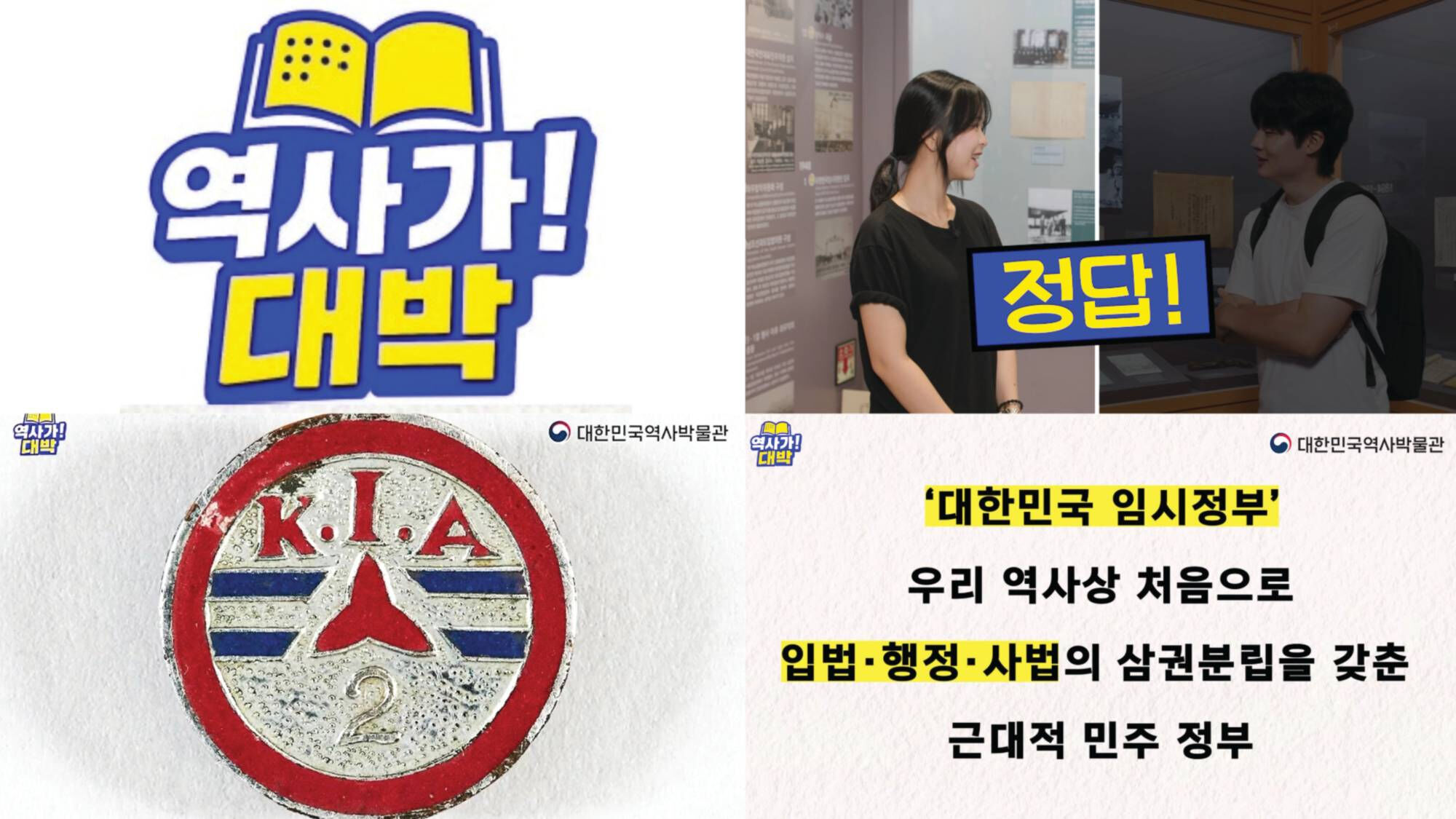
The National Museum of Korean Contemporary History launched a pilot distribution of experiential educational materials for visually impaired students, toward the year’s end. The block-type perpetual calendar for elementary students, “'Block Calendar Together,” was designed to engage students in learning about monthly national holidays and their historical significance through Braille, QR audio guidance, and animal character. The educational video for middle and high school students, “History is Awesome!”, presents the historical significance of major national holidays using museum collection materials. Featuring audio explanations, special subtitles, and high-contrast design, the video is currently in pilot distribution with user responses being collected, with full distribution to schools for the blind and special schools nationwide scheduled to begin in March 2026. A total of 400 units of “Block Calendar Together” will be distributed by lottery, while “History is Awesome!” will be released on the museum's website and YouTube Channel.
Newly Unfolding Hidden Stories of Korean Modern and Contemporary History,
Modern and Contemporary History Thematic Research Series Volumes 1–4 Published
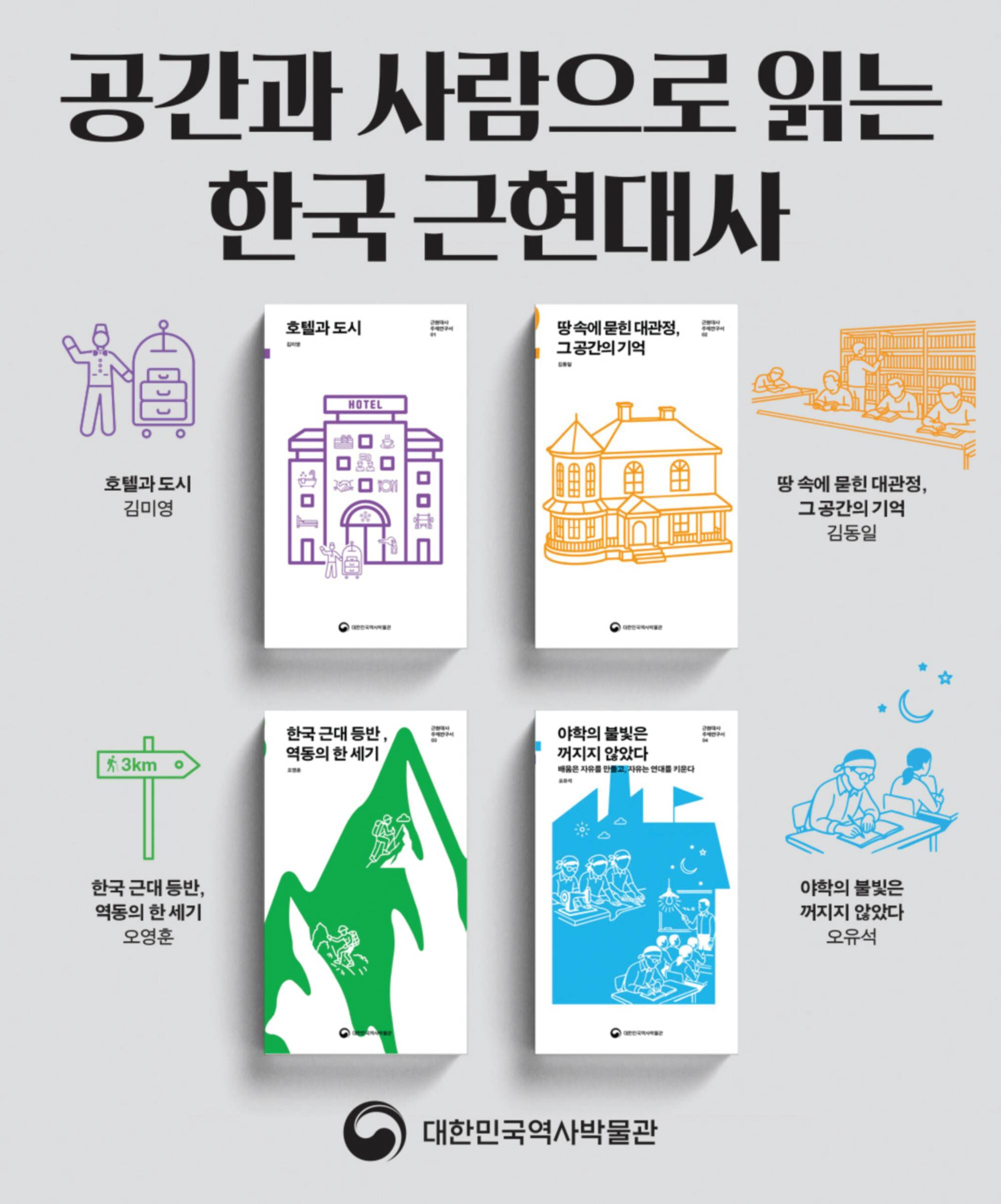
The National Museum of Korean Contemporary History has published Volumes 1–4 of the Modern and Contemporary History Thematic Research Series, which sheds new light on lesser-known stories of Korean modern and contemporary history. Volume 1, Hotels and Cities, examines Seoul's urban transformation since the opening of ports, focusing on hotels and highlighting how their role as social spaces where power, culture, and class interest. Volume 2, Korean Modern Mountaineering: A Dynamic Century, re-examines various aspects of Korean society and mountaineers' passion through the history of mountaineering from the Japanese colonial period to the present. Volume 3, Daegwanjeong Buried Underground: Memories of That Space, explores the historical conflicts between development and preservation by it restoring the vanished site of Daegwanjeong. Volume 4, The Light of Night Schools Never Went Out, introduces the values of hope and solidarity through stories of workers and youth who learn and grow in night schools during the period of industrialization.
Running Event by 8 National and Public Cultural Institutions in the Gwanghwamun Area,
Gwanghwamun Museum Run Successfully Completed
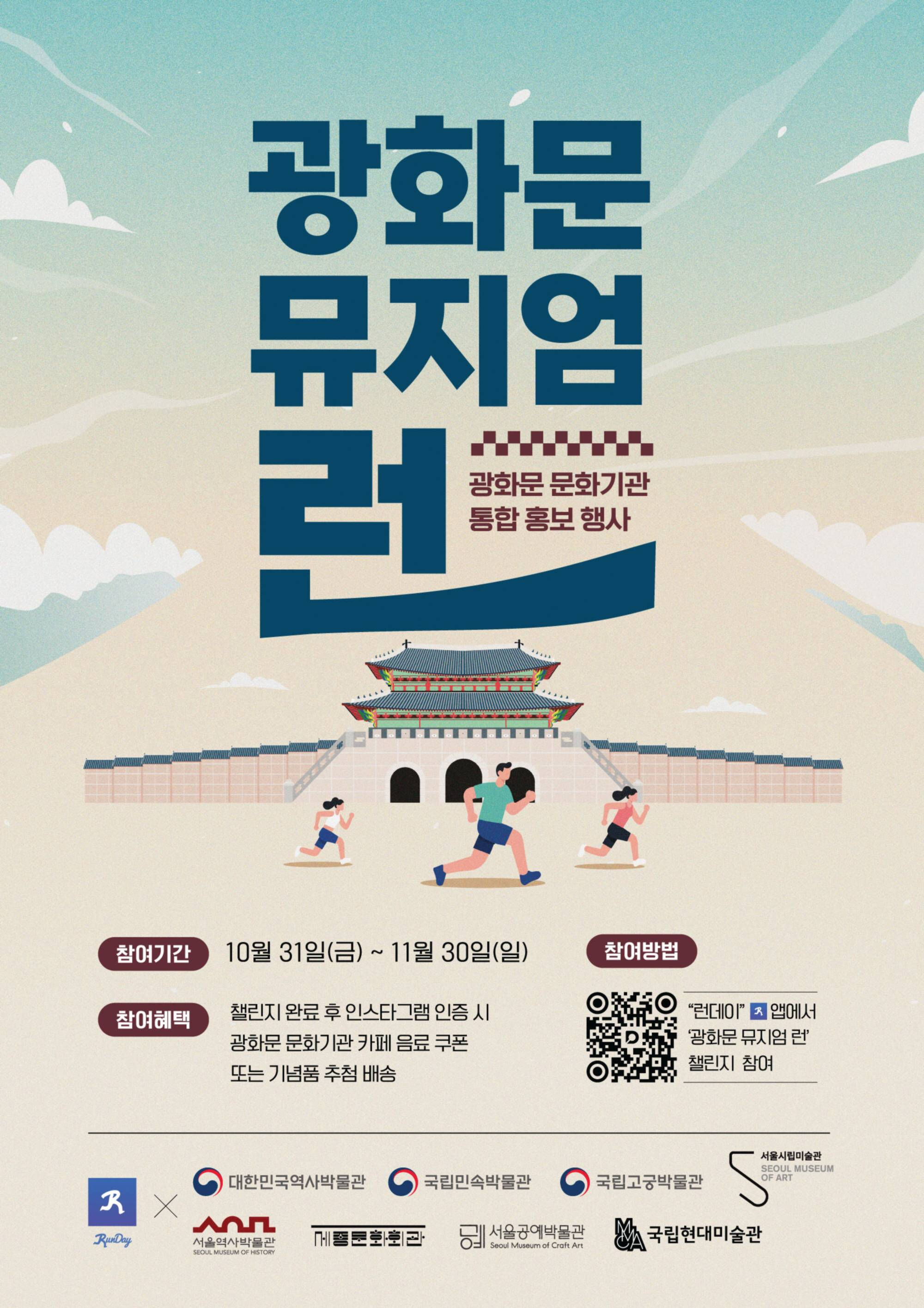
The participatory running event Gwanghwamun Museum Run, jointly hosted by eight national and public cultural institutions in the Gwanghwamun area, including the National Museum of Korean Contemporary History, was successfully conducted for one month from October 31 to November 30, 2025. This event consisted of running courses, naturally connecting cultural institutions around Gwanghwamun, and online participation courses. The dog-shaped “Meongmung Run” along Gyeongbokgung Palace's stone walls and the rabbit-shaped “Rabbit Run” along Deoksugung Palace's stone walls were designed so citizens could joyfully run while experiencing cultural institutions in the Gwanghwamun area. Additionally, the online course utilizing the “RunDay” app allowed participation from anywhere nationwide. Over the month, the total number of participants was 6,324, of whom 2,578 completed the course. Various benefits, including souvenirs and admission tickets, were provided to event participants. The “Gwanghwamun Cultural Institutions Promotion Council,” including the National Museum of Korean Contemporary History, plans to organize and conduct public participation events in 2026 as well.



National Museum of Korean Contemporary History Newsletter 2025 Spring (Vol. 76) / ISSN 2384-230X
198 Sejong-daero, Jongro-gu, Seoul, 03141, Republic of Korea / 82-2-3703-9200 / www.much.go.kr
Copyright. National Museum of Korean Contemporary History all rights reserved.