2025 Spring Vol.76
━ First Exhibition ━
Remembering That Day,
Special Exhibition Commemorating the 80th Anniversary of Liberation 《RECORDS, MEMORY OF YOU》
This spring, commemorating the 80th anniversary of Korea’s liberation, we present a new special exhibition: RECORDS, MEMORY OF YOU. Records are puzzles that make up our daily lives and history. In the 2024 exhibition RECORDS, MAP OF YOU held at the Cheongju National Museum, we reflected on the journey of “my” life through records. This year, the National Museum of Korean Contemporary History has joined the Cheongju National Museum and the National Archives of Korea to present RECORDS, MEMORY OF YOU, to enrich this journey with key records of Korea’s liberation and modern history. The exhibition runs from May 1 to July 6, and you can look forward to a delightful journey through these records.
Prologue. Mysteries from the Past
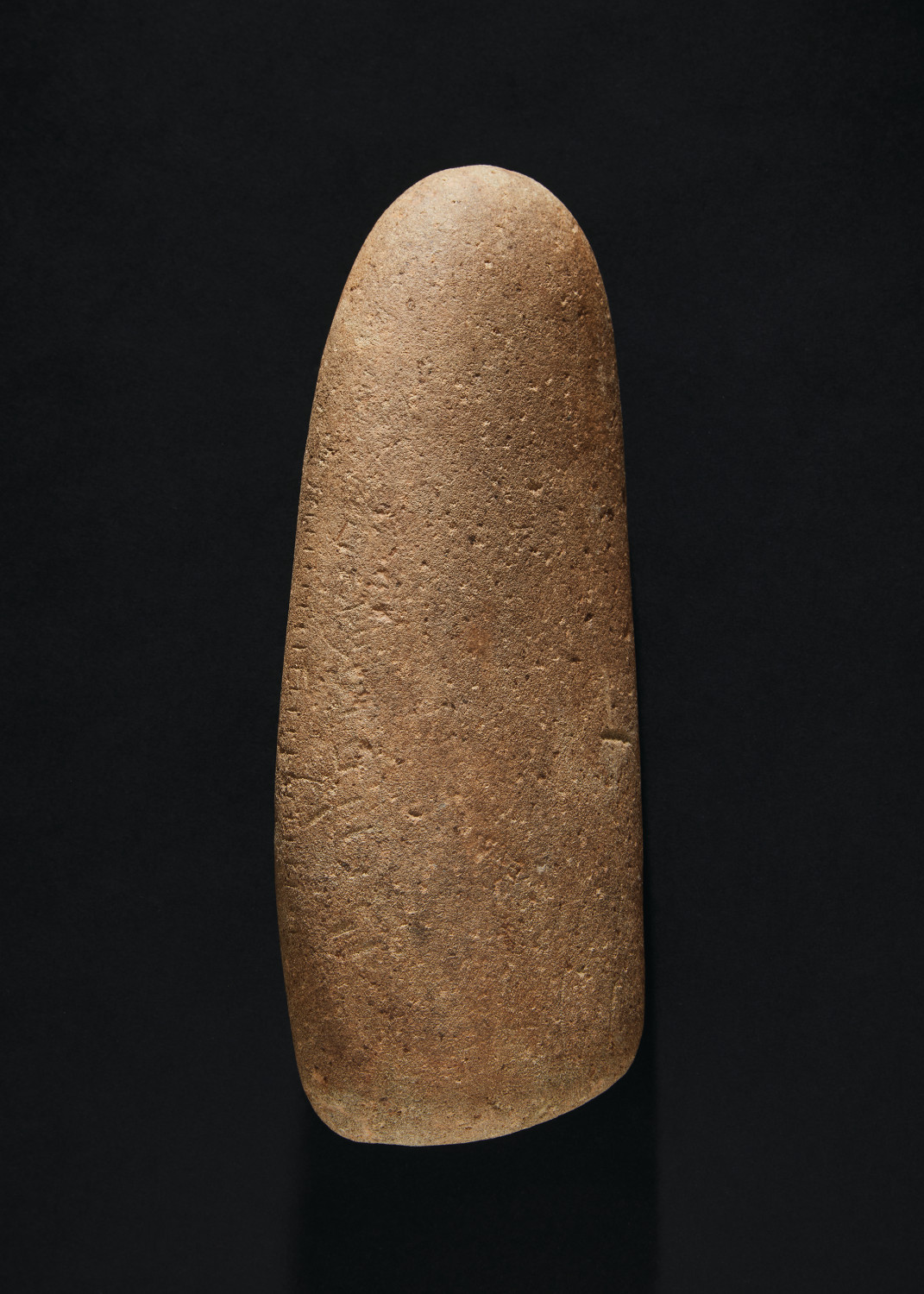 ▲ Stone with engraved markings(Cheongju National Museum).
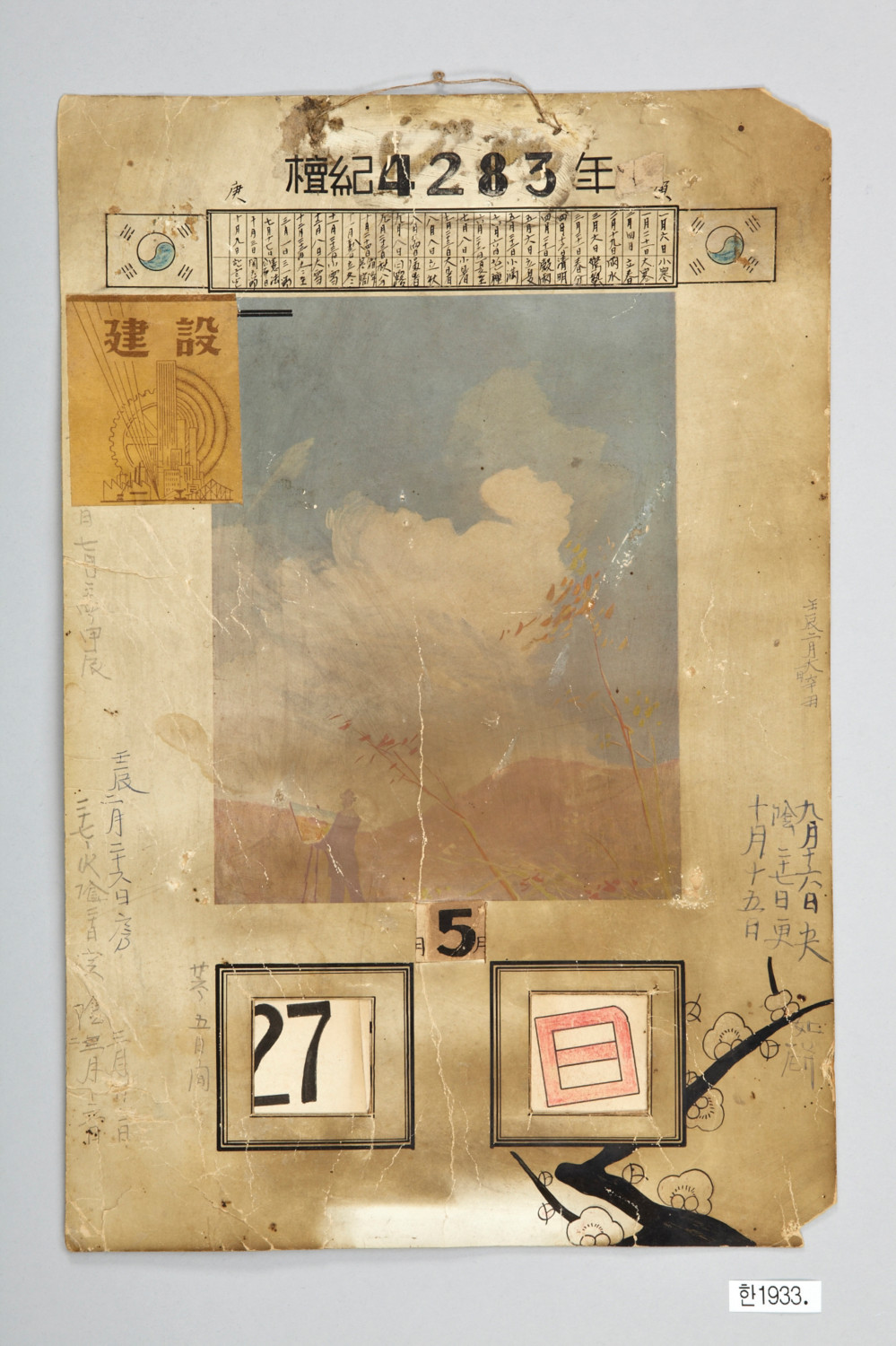 ▲ Clock frozen in time(National Museum of Korean Contemporary History).
As we follow the traces left in records, we find ourselves wondering who created them and with what intentions. There is no definitive answer. Perhaps one day we will find clues to these mysteries in our imagination.
Part 1. The Power of Records
 ▲ Secret letter from King Hyojong to Song Si-yeol(Cheongju National Museum).
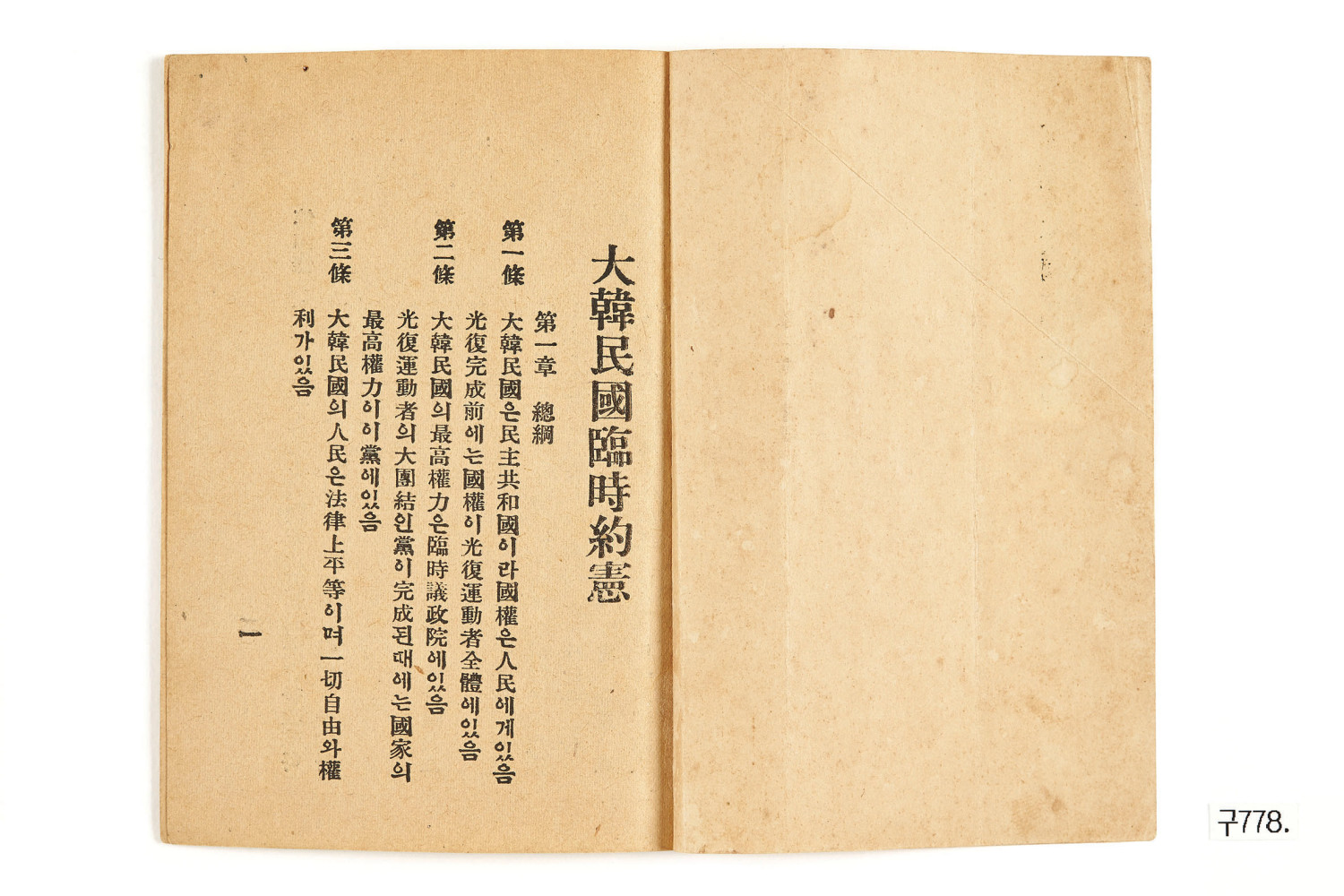 ▲ Provisional Charter of the Republic of Korea(National Museum of Korean Contemporary History).
There was a time when the ability to write and leave records brought both knowledge and power. This explains why many surviving records are related to power and governance. By recording, we determine what is important enough to remember and preserve. Through records, we can understand the lives of people in the past. This is the power of records.
Part 2. Earnest Wishes
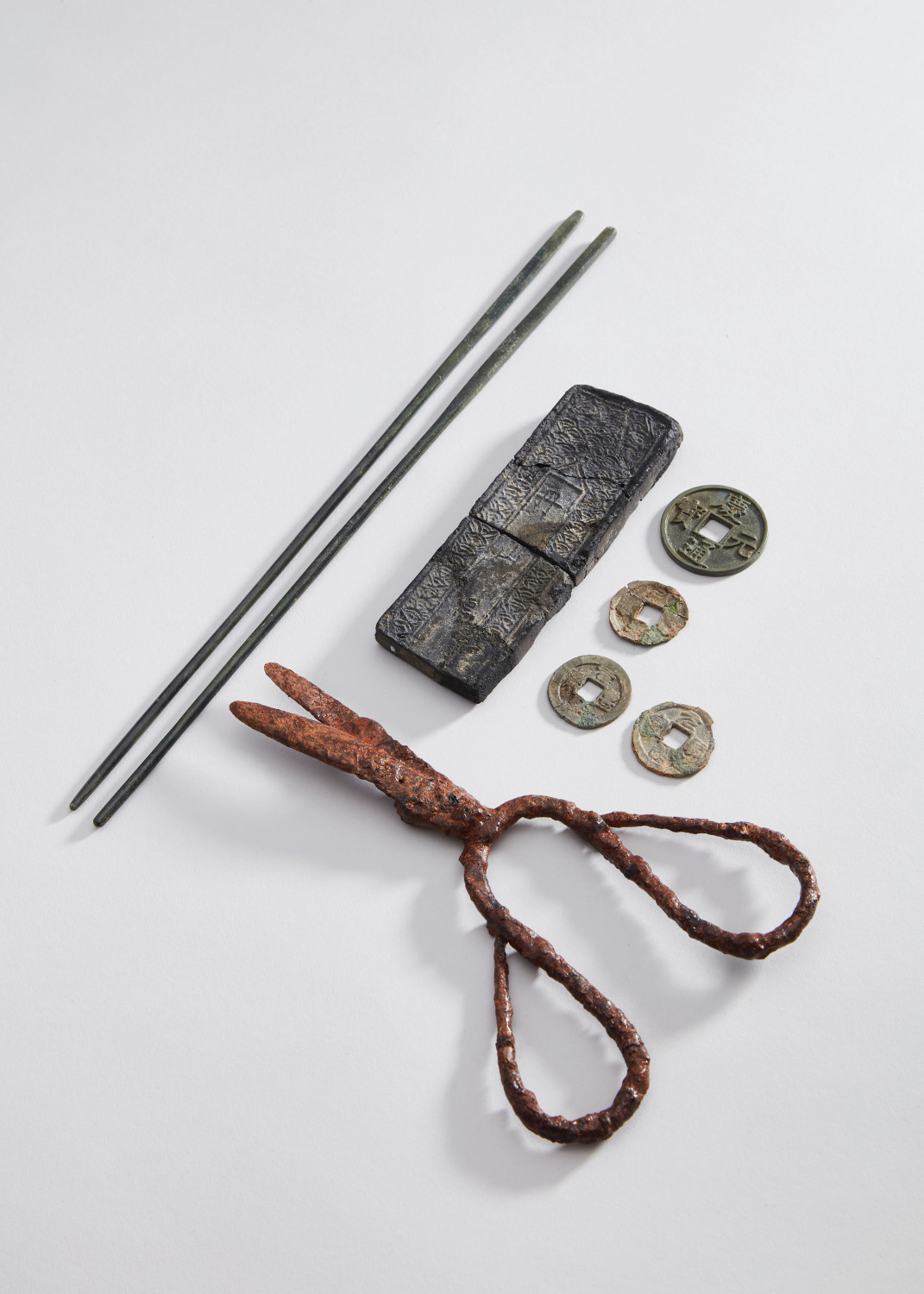 ▲ Inkstone, chopsticks, coins, and scissors placed in a deceased son’s grave(Cheongju National Museum).
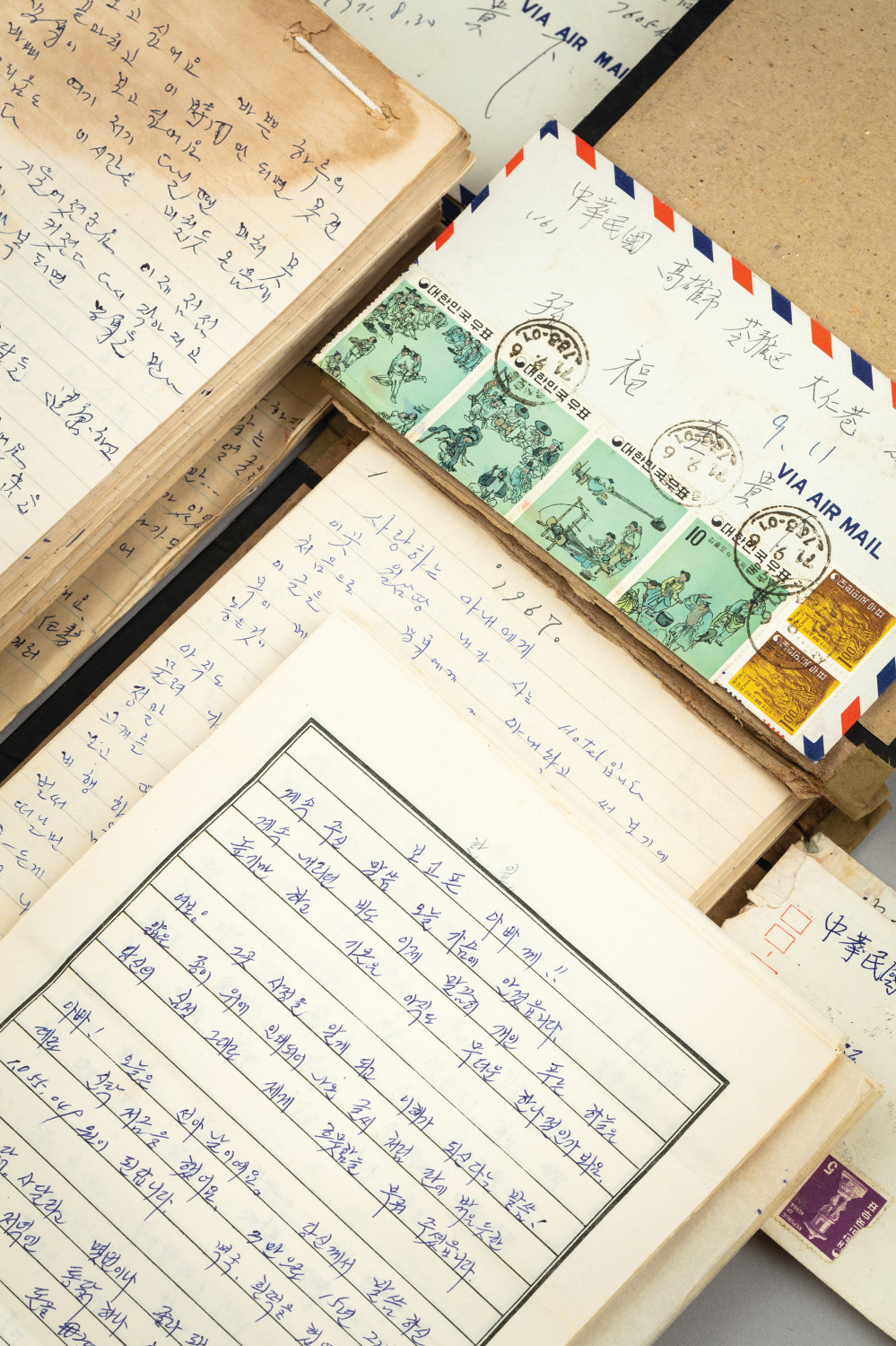 ▲ Love letter from Vietnam(National Museum of Korean Contemporary History).
Everyone hopes to live happily with their loved ones in this world and to rest in peace after death. Our earnest feelings for those who are precious to us naturally lead us to prayer. The pain of losing a loved one is difficult to express in words, but sharing this profound sentiment brings people together in sorrow and grief. The same is true for those who were dearly admired. After they died, people left records of their earnest feelings.
Part 3. Remembering Hearts
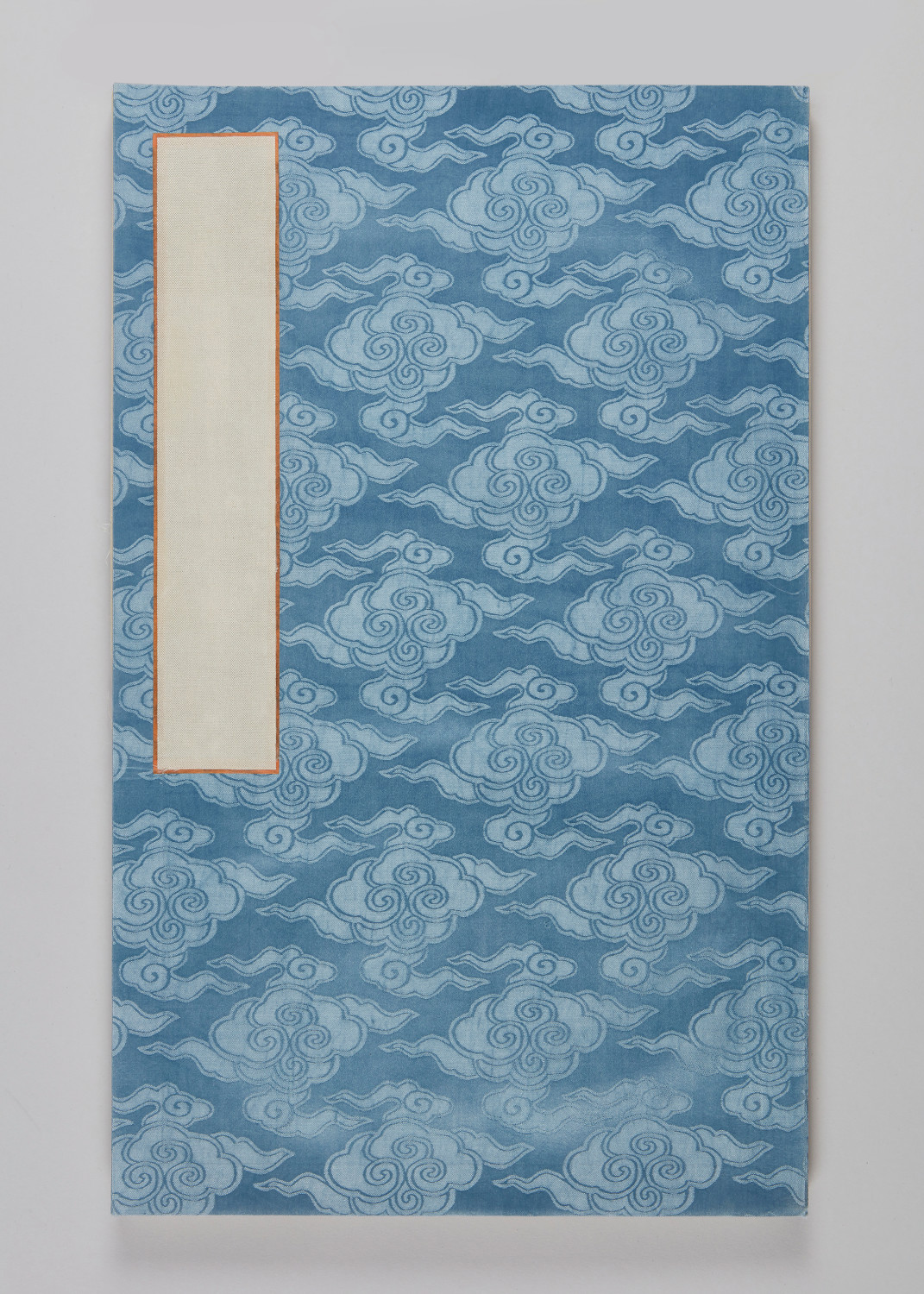 ▲ A letter of well-Being from the royal family, Sukmyeongsinhancheop(Cheongju National Museum).
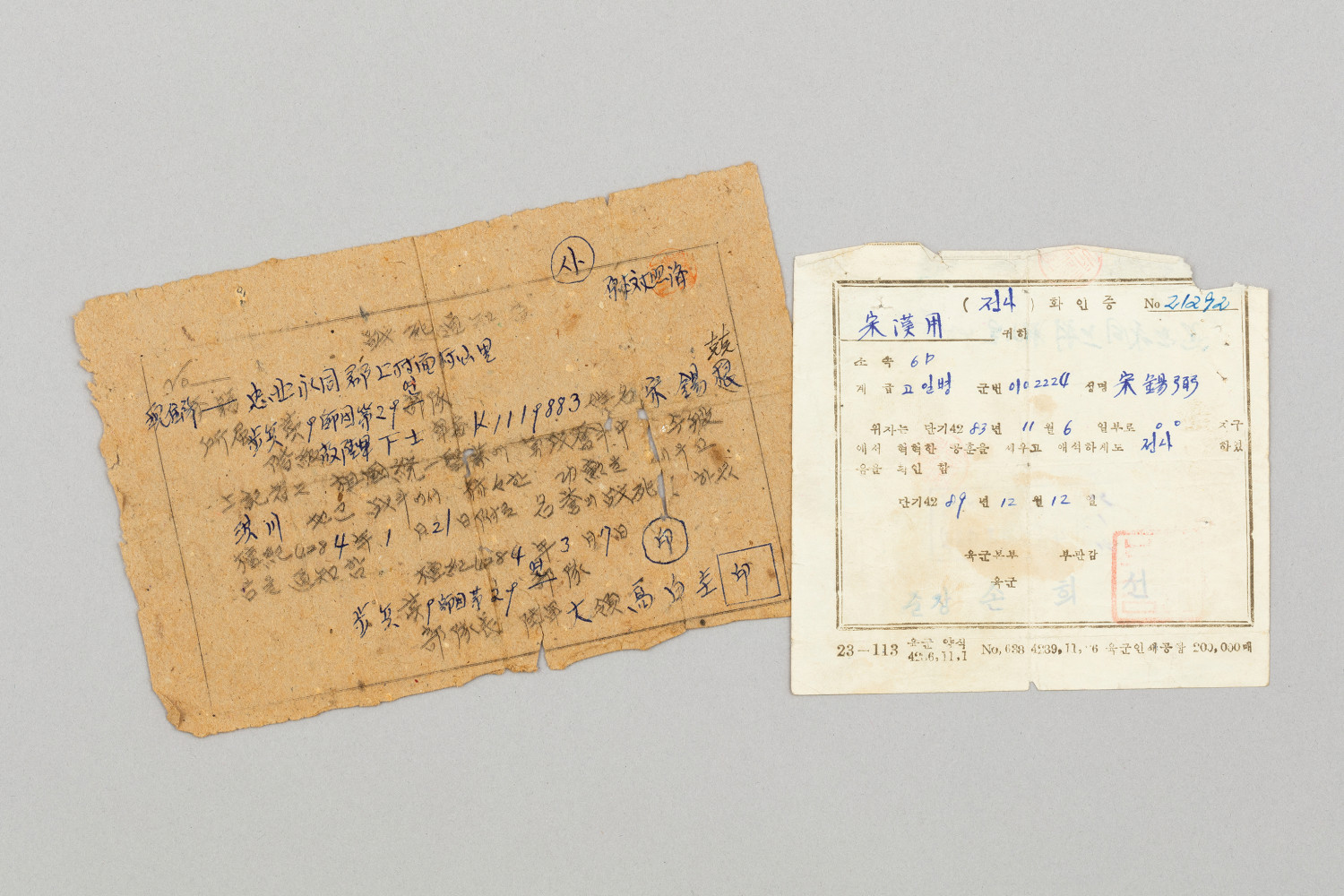 ▲ Military death notification sent to a brother(National Museum of Korean Contemporary History).
As literacy spread, more records were created. People began to document special days they wanted to commemorate in their personal lives, days that are unforgettable in the hearts of many. Records became a means of expressing what we value in our lives.
Part 4. The Day Hearts Resonated
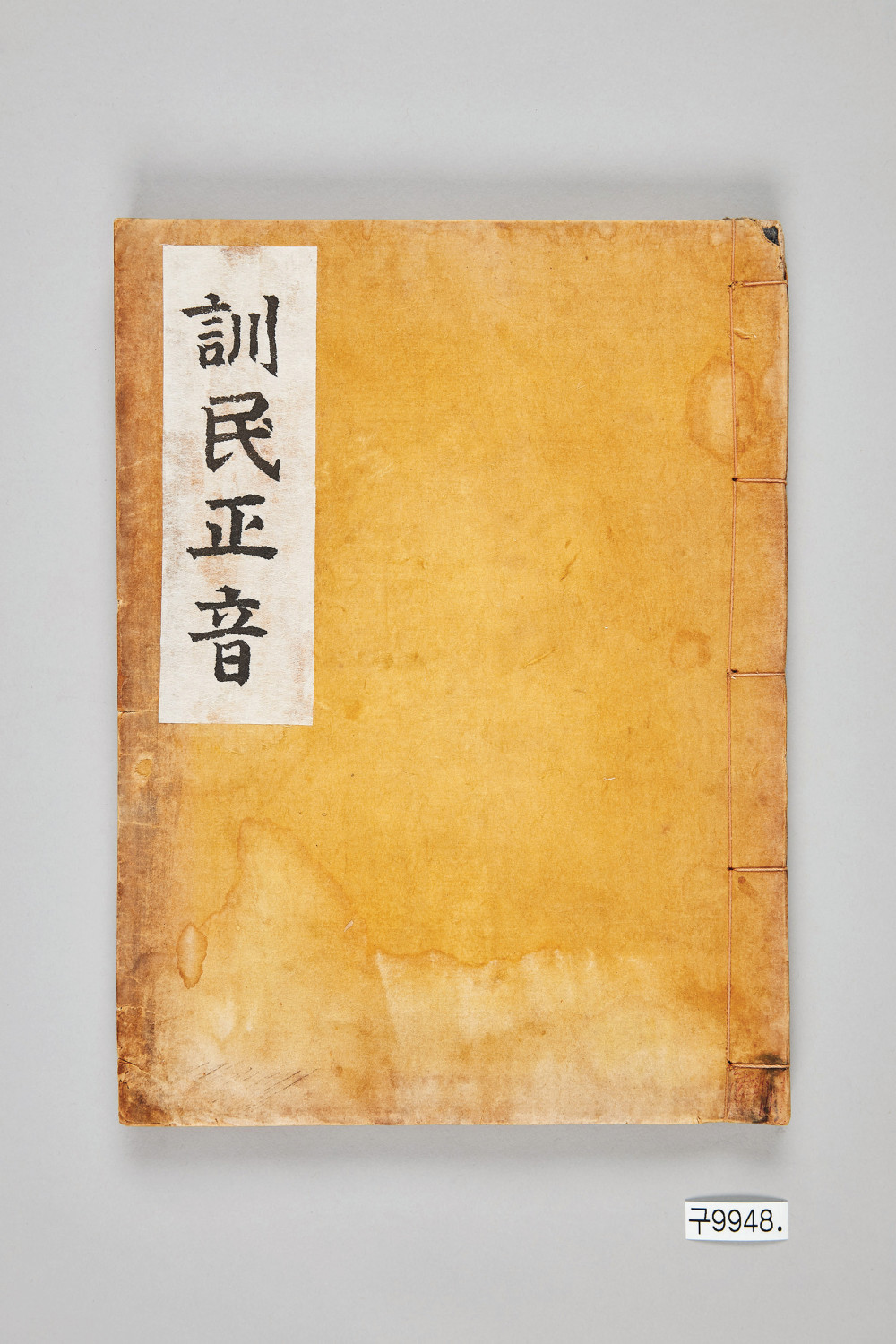 ▲ Facsimile edition of the Hunminjeongeum Haeryebon, published in commemoration of the 500th anniversary of Hangeul Day(National Museum of Korean Contemporary History).
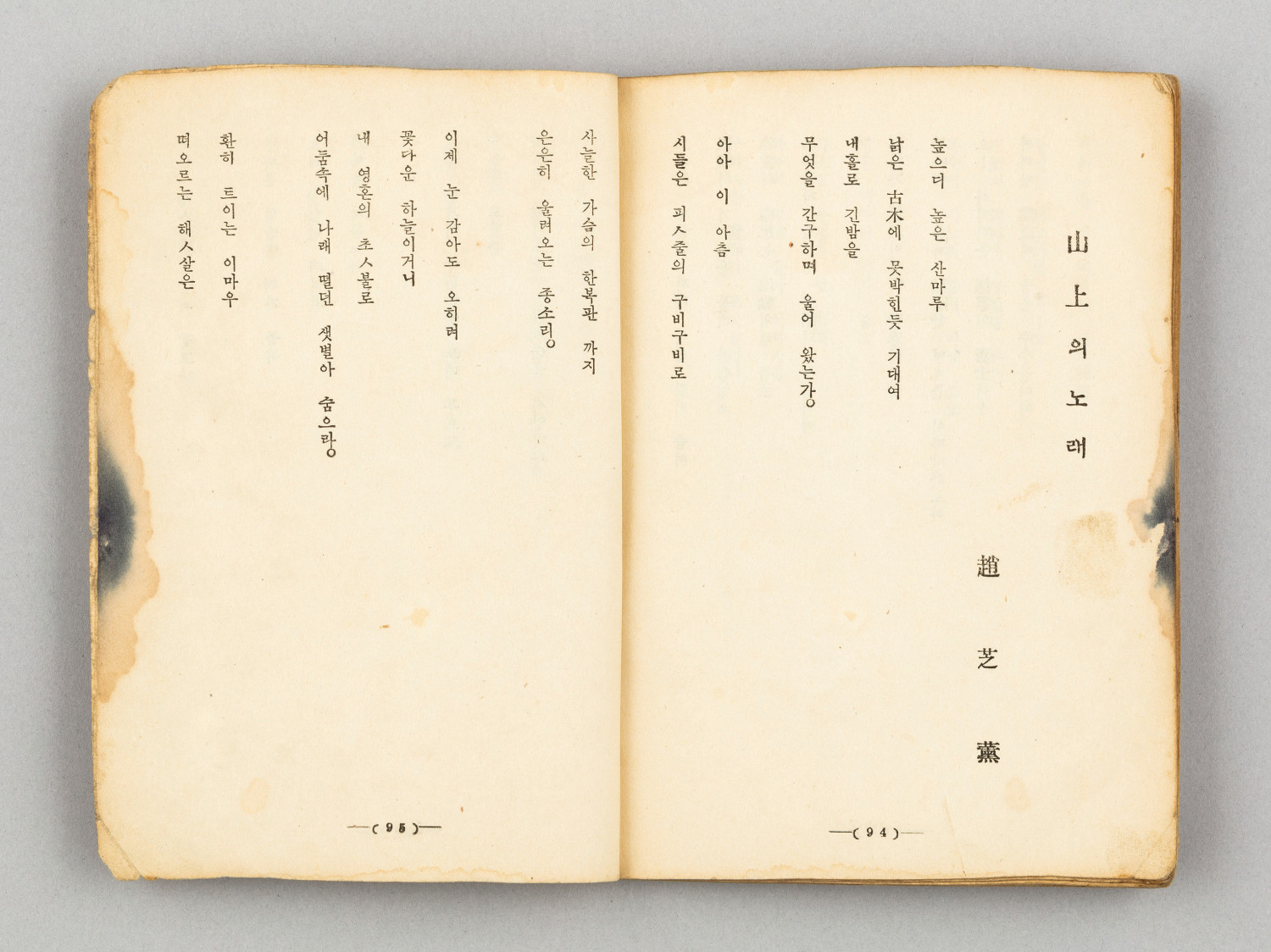 ▲ Poetry collection commemorating liberation(National Museum of Korean Contemporary History).
Liberation came like “the melody of a long-forgotten flute” that we had been yearning for in our hearts. The sentiment of that time—recovering what was lost and preparing for a new beginning—has been preserved in records. Some records helped us endure until liberation. In the liberation records, we see the shared joy, encouragement, and comforting hope. How will the feelings of that era resonate with us today?
Epilogue. The Mysteries We Will Leave Behind
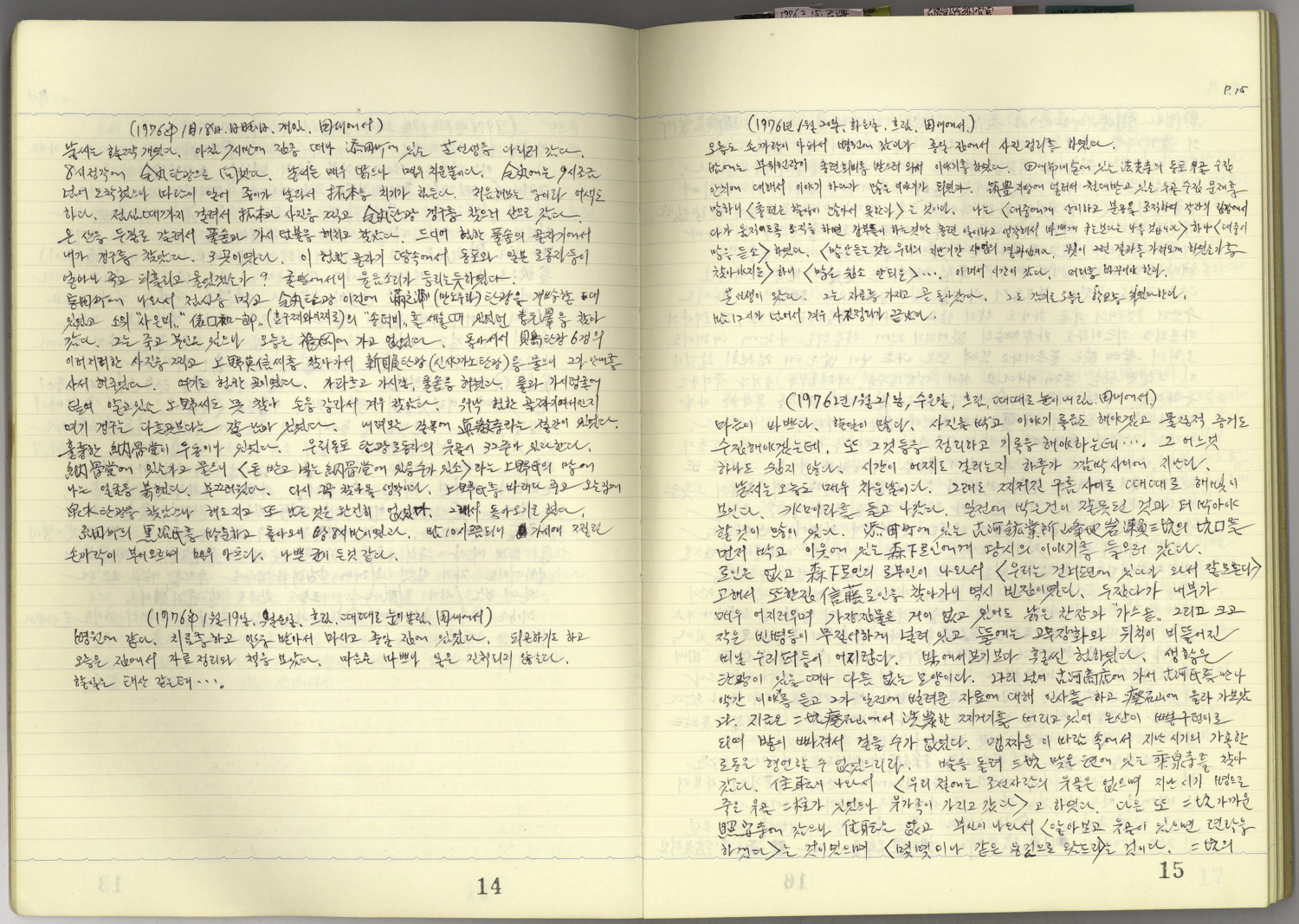 ▲ Diary of Kim Gwang-ryeol(National Archives of Korea).
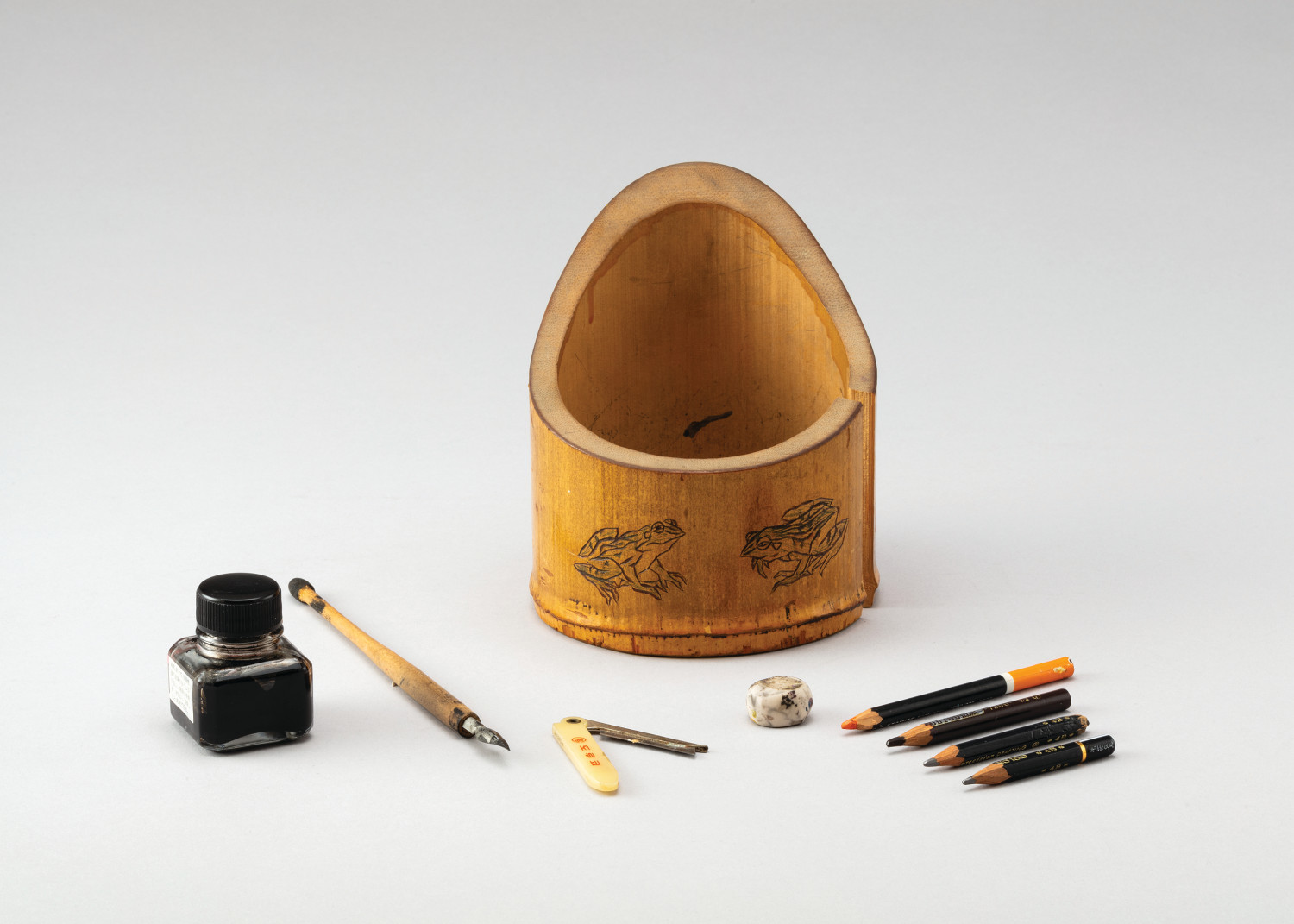 ▲ Art tools of cartoonist Kim Seong-hwan, creator of 「Mr. Gobau」(National Museum of Korean Contemporary History).
Spoken words vanish, but records endure. The records we leave today will fall into the hands of others in the future. Like photographs that capture the expressions of an era, cartoons that humorously satirize social conditions, or writing that honors the forgotten, our records contain diverse stories. How will people of the future imagine our “today” through what we leave behind?
Special Exhibition Commemorating the 80th Anniversary of Liberation
《RECORDS, MEMORY OF YOU》
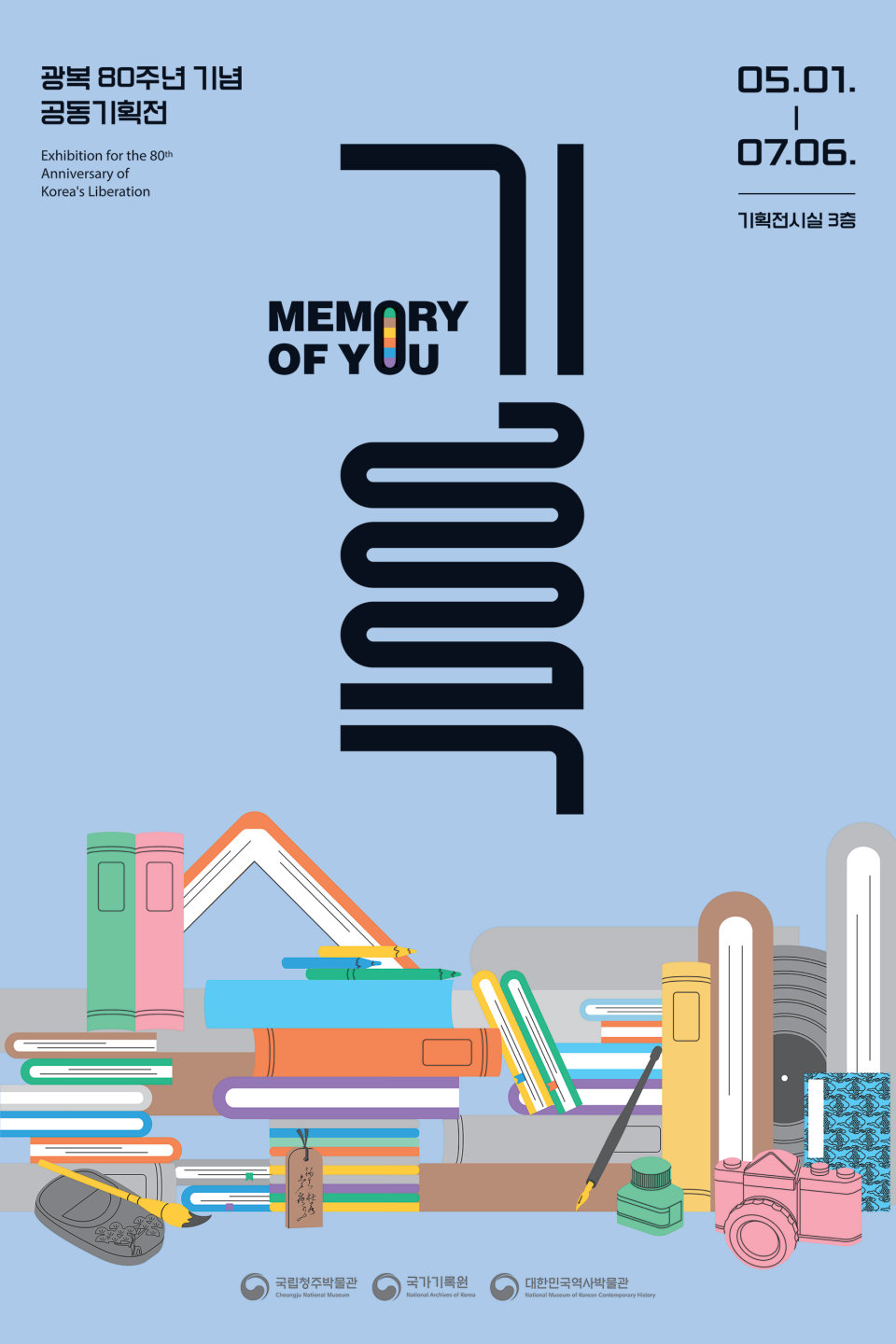
May 1 (Thu) – July 6 (Sun), 2025
Special Exhibition Hall, 3rd floor, National Museum of Korean Contemporary History
10:00–18:00 (10:00–21:00 on Wednesdays and Saturdays)
━ Second Exhibition ━
Stories Beyond the Stage
《Performing Arts, Capturing the Times》
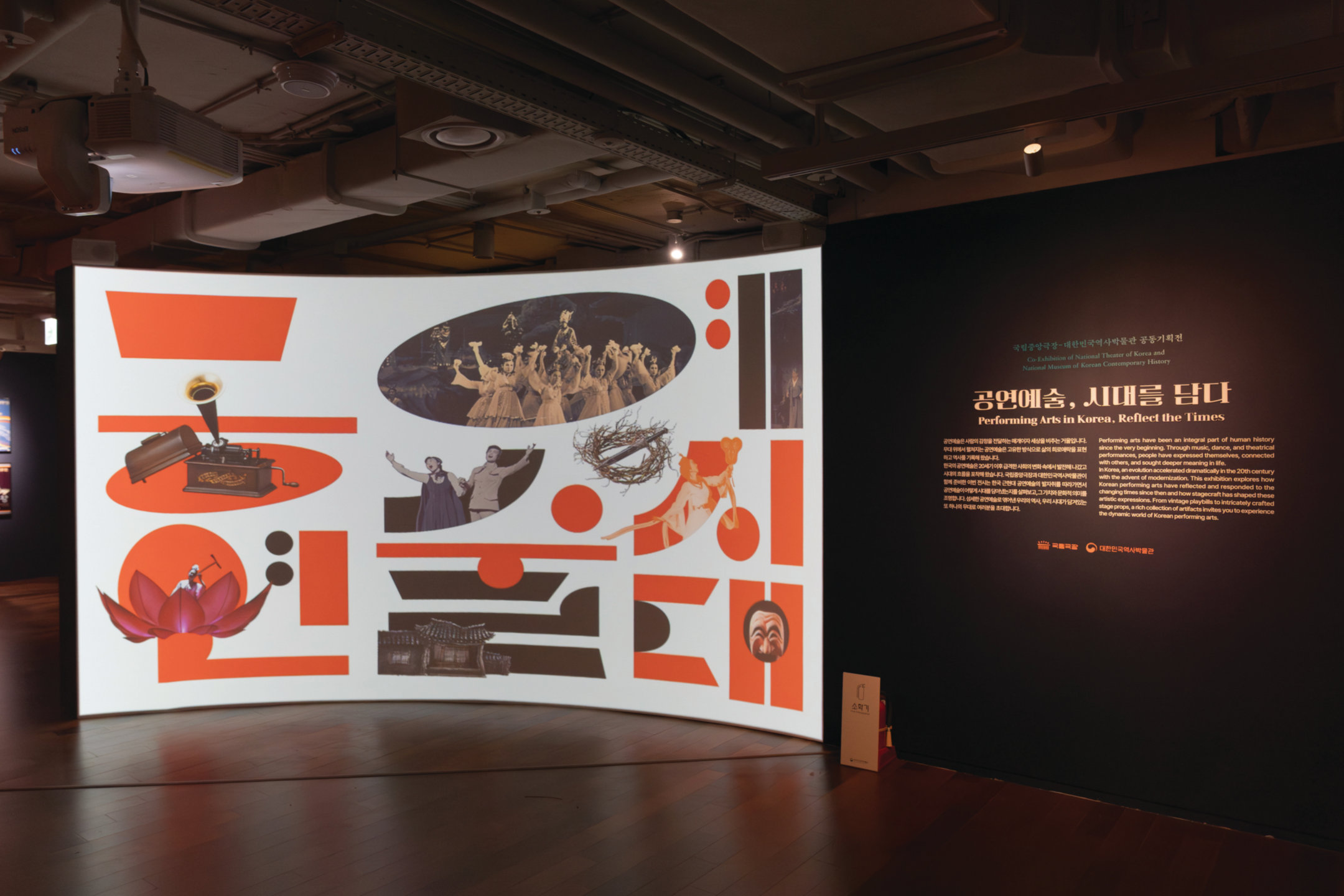 ▲ Entrance where visitors can explore the message of Performing Arts, Capturing the Times.
Performing arts are both a medium for conveying human emotions and a mirror that reflects the world. On stage, performing arts have expressed the joys and sorrows of life in unique ways and have recorded history. Korean performing arts have evolved alongside the rapid social changes that have occurred since the 20th century while also capturing the spirit of the time. This exhibition, jointly organized by the National Museum of Korean Contemporary History and the National Theater of Korea, follows the footsteps of modern and contemporary Korean performing arts, examining how performing arts have interpreted their times and highlighting their value and cultural significance.
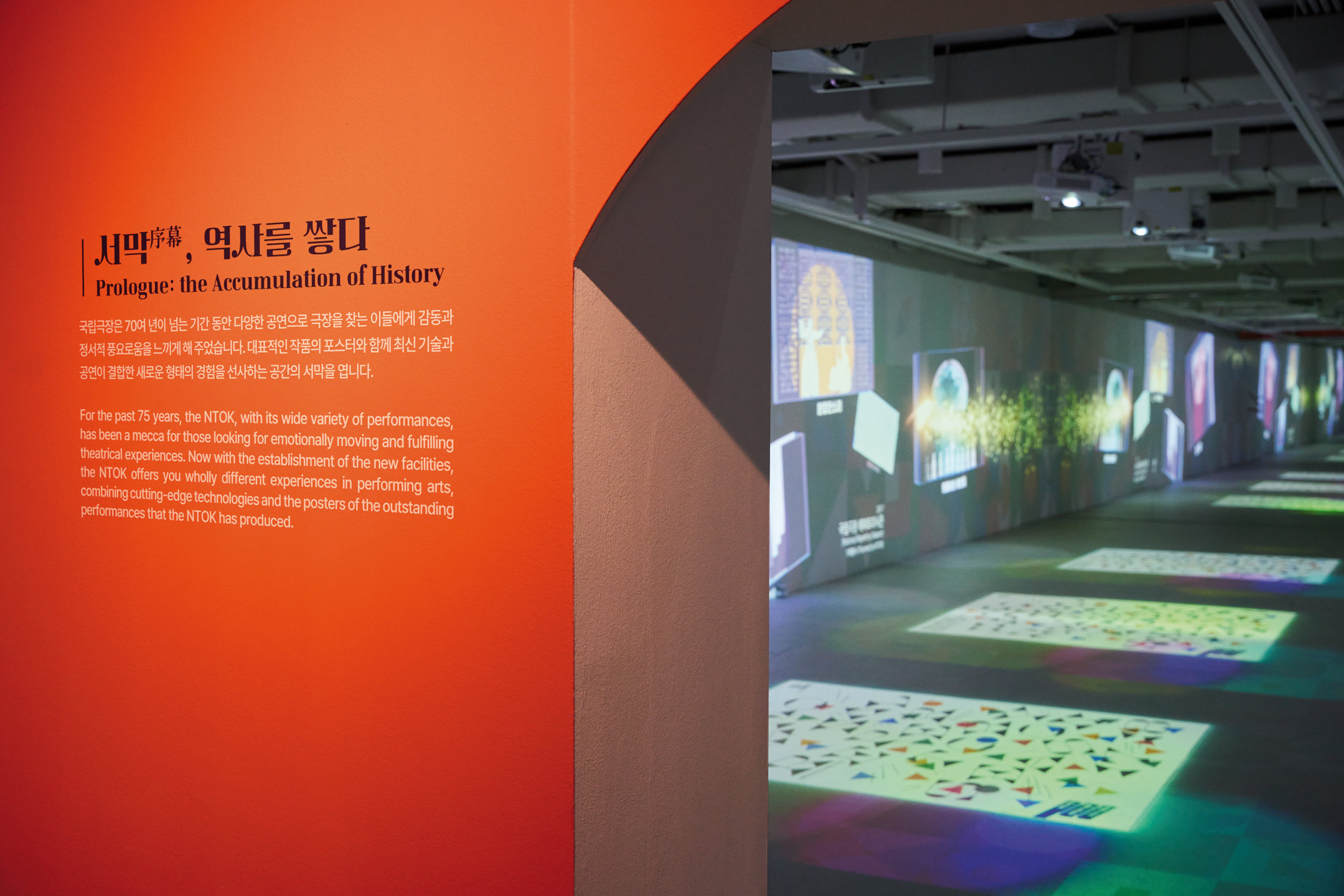 ▲ Live recording and media art of the National Gugak Orchestra’s “State of Ecstasy,” a collaboration with media artist Lee Lee-nam.
Performing Arts, Breathing with the Times
Performing arts evolve as they reflect the spirit of the times. Throughout the 20th century, Korean performing arts developed continuously as artists sought new forms through the marriage of tradition and modernity, East and West. With the introduction of Western performance culture and the emergence of modern theaters, indoor performances became widespread. In 1950, the National Theater opened, and with the establishment of national and public performance venues, a more systematic performance environment was created. National arts organizations specializing in theater, dance, and music were launched alongside the National Theater. These organizations elevated the level of Korean performing arts and engaged with the public through various stages. They recorded history by creating works that captured the pivotal events and significant changes of each era. These works aimed to connect the past and present while communicating with audiences.
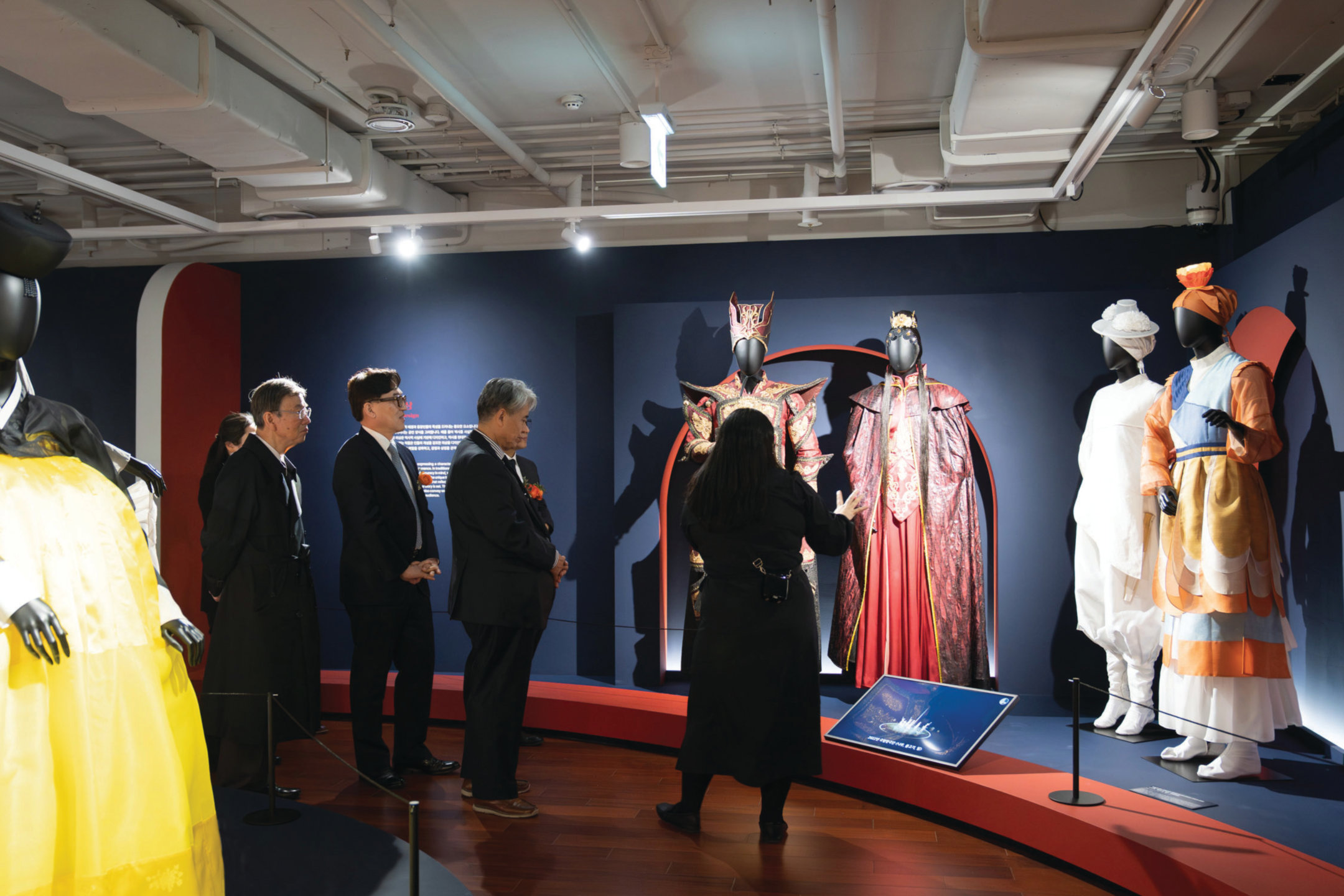 ▲ Director Han Su, Theater Director Park In-geon, and other guests viewing the stage costumes of the National Changgeuk Company’s Farewell My Concubine.
Stage Design, Creating Performances
Performing arts are completed the moment they unfold on stage, but this is only possible thanks to the invisible efforts behind the scenes. Until a performance takes to the stage, the creative process of stage design is crucial. The National Theater is the only theater in Korea that can directly create its own stages, and since its establishment it has worked with experts in various fields to develop high-quality stages. Stage design has evolved with the times to maximize the emotional impact of performances and deliver meaning more powerfully. Stage design today is continuing to innovate through cutting-edge technology. In the future, performing arts will continue to breathe with the contemporary era, capture history, and enrich our lives.
《Performing Arts, Capturing the Times》
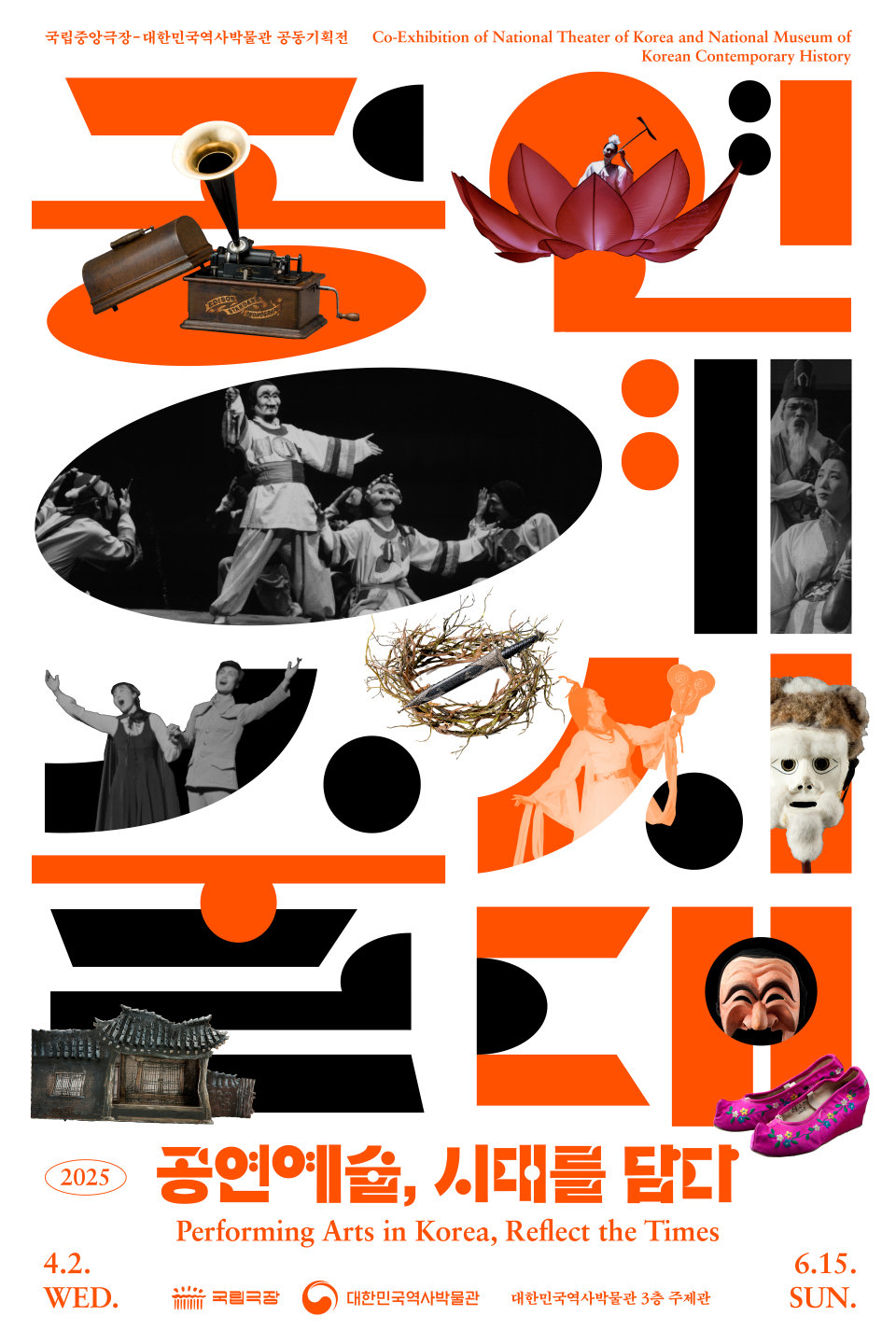
April 2 (Wed) – June 15 (Sun), 2025
3rd Floor, Permanent Exhibition Hall, National Museum of Korean Contemporary History
10:00–18:00 (10:00–21:00 on Wednesdays and Saturdays)
━ An Exhibition in Comics ━
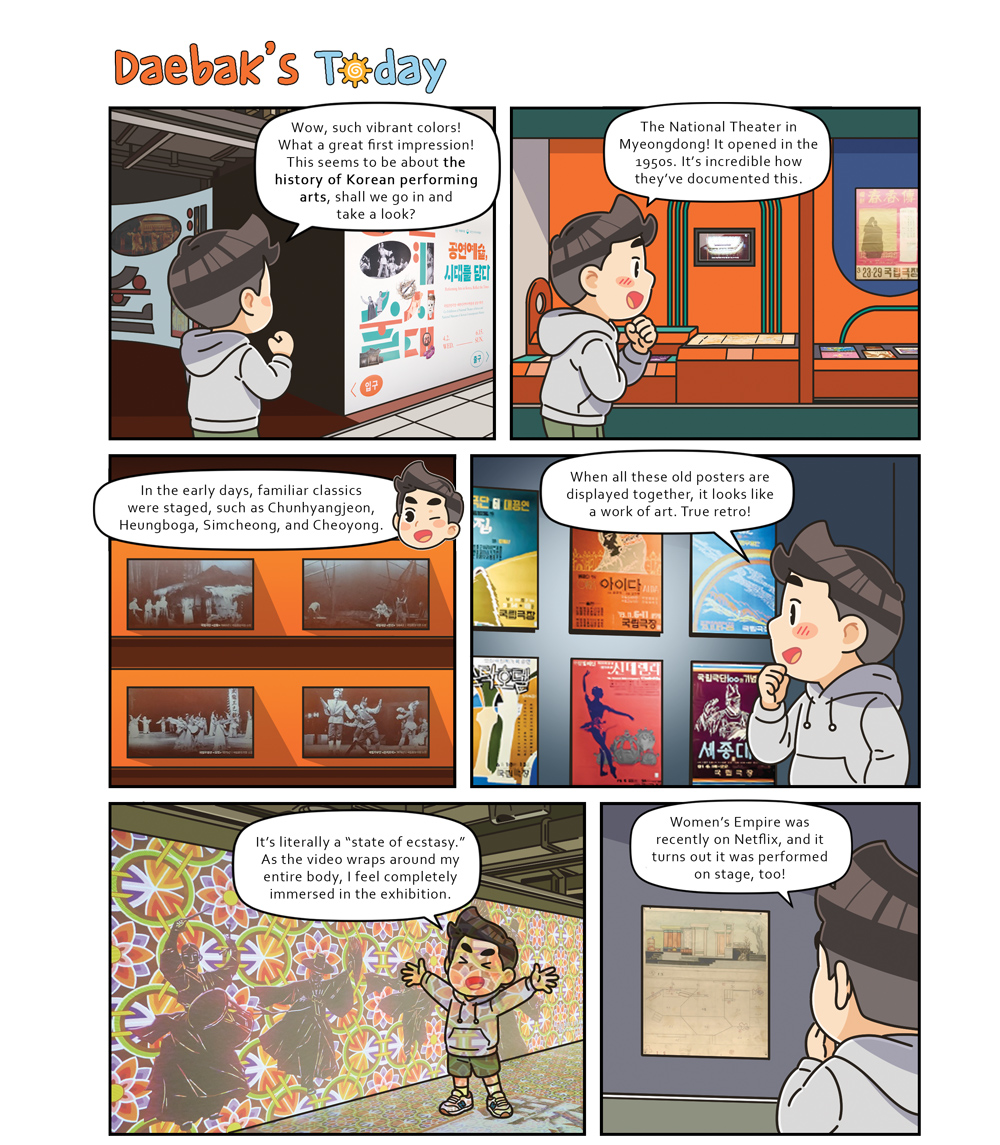
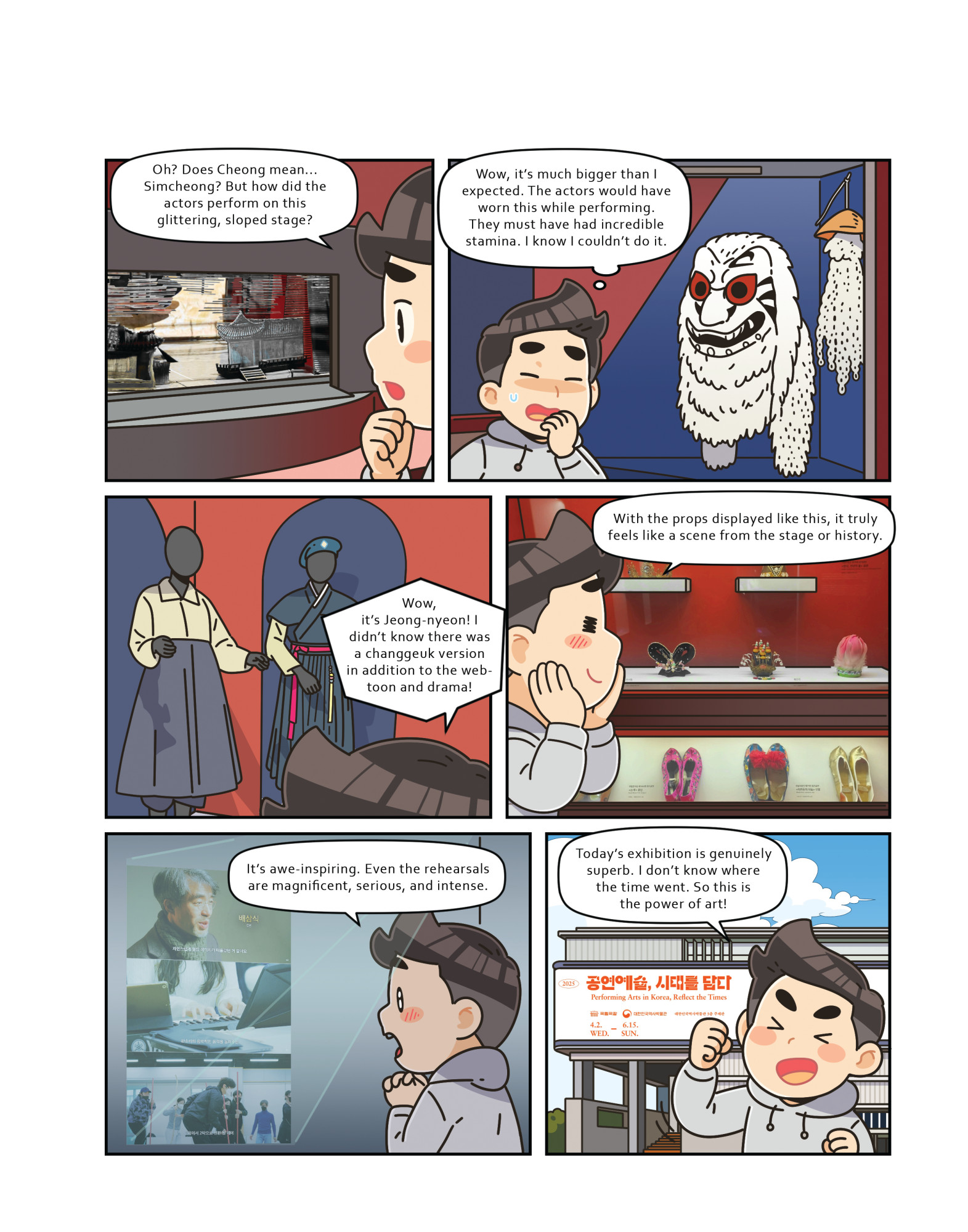
Daebak’s Today
《Performing Arts, Capturing the Times》, a Joint Exhibition by the National Museum of Korean Contemporary History and the National Theater of Korea
━ Museum People ━
“The people who live in this land, and every moment that occurs here, these are what form the history of the Republic of Korea.”
Han Su, Director of the National Museum of Korean Contemporary History
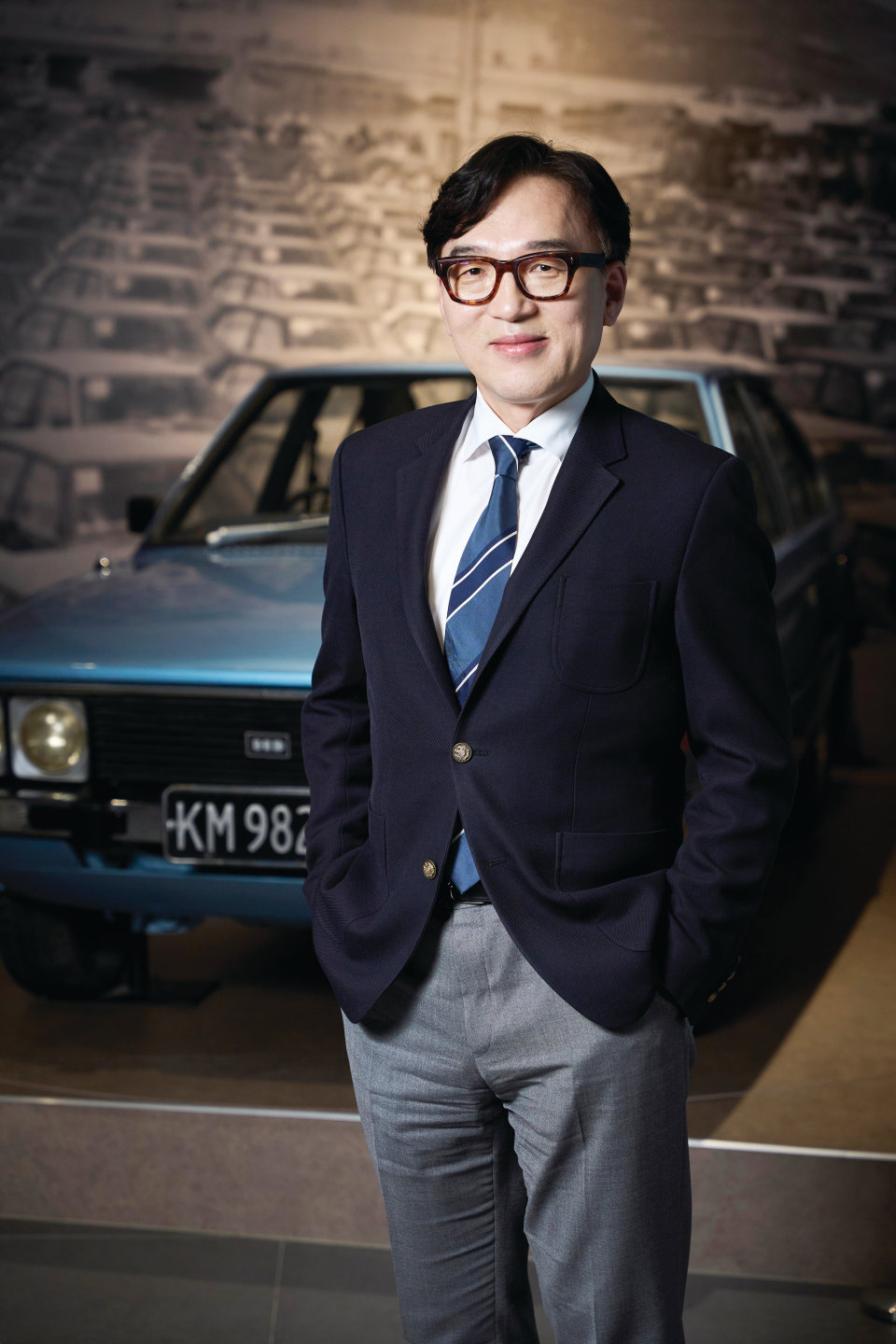
Director Han Su has taken a “journey through time” from ancient to modern history. Starting with a major in archaeology, he first worked at the National Museum of Korea before moving to the Gongju National Museum and then the National Museum of Korean Contemporary History. Since his appointment to the National Museum of Korean Contemporary History in 2023, he has dedicated himself to uncovering hidden stories within our modern and contemporary history and sharing them with the world. Director Han aims to transform the museum into a “space for communication” where visitors can directly see, feel, and experience history. We met with him for History Empathy and he expressed his desire to convey Korea’s history in a more accessible and vivid way.
* In 2025, History Empathy introduced a new interview section, ‘Museum People,’ which features the voices of staff at the National Museum of Korean Contemporary History. Through the stories of the people who have led, nurtured, and built the museum, we aim to illuminate its present and future.
Q. You’ve been the Director of the National Museum of Korean Contemporary History for almost two years. How do you feel about role?
Although I’ve done many different things in museums over the past 25 years, it felt like a new beginning when I was first appointed as the director of the National Museum of Korean Contemporary History. A modern and contemporary history museum is… how should I put it? It was quite different to convey the brief period after liberation compared to the ancient history found in textbooks. We experienced in just a few decades what other countries have taken centuries to go through, so my concern was how to convey this to visitors effectively. This was the most challenging aspect and, simultaneously, the most attractive point. With these considerations in mind, I am dedicated to conveying the notion that all people living in the Republic of Korea at this very moment, and every moment occurring in the Republic of Korea, are part of its history.
Q. I’m curious about how you conveyed the appeal of modern and contemporary history to visitors.
I focused on creating diverse and interesting exhibitions and educational activities that visitors wouldn’t normally encounter. Let’s take the exhibition Dream of Having a Lump Sum from early last year as an example. People who lived through the modern era wished to have a “lump sum” of money at least once. The exhibition showed how Koreans have saved, earned, and spent money, and how this has been an essential part of their lives from the Japanese colonial period, through industrialization and the IMF era, to the present day. Many visitors made comments such as, “It was moving because it felt like my own story.” As with this case, our museum believes that beyond politically and economically important issues, anything close to our own lives can also be an excellent subject, even if it’s not grandiose.
Q. Which of your recent exhibitions stands out the most in your memory?
The special exhibition Ahn Jung-geun 書 commemorates the 115th anniversary of Ahn Jung-geun’s Harbin incident and was on display until March this year. After the Harbin incident, Ahn Jung-geun was sentenced to death and imprisoned in Lushun Prison, where he is known to have created nearly 200 pieces of calligraphy before his death. The exhibition brought together Ahn Jung-geun’s calligraphic works, which he wrote for the people around him at the time, with the aim of reconstructing his life and philosophy and the hope that visitors would empathize with them. Unfortunately, the original handwritten manuscript of On Peace in East Asia remains unavailable, as only mimeographed copies and translations have survived. This work contains Ahn Jung-geun’s vision for East Asian peace and offers a glimpse into not only his philosophy but also his insights on the Northeast Asian situation at the time and his vision for the future. The original manuscript is believed to be in the possession of the Japanese Ministry of Foreign Affairs, but, unfortunately, it has not been disclosed.
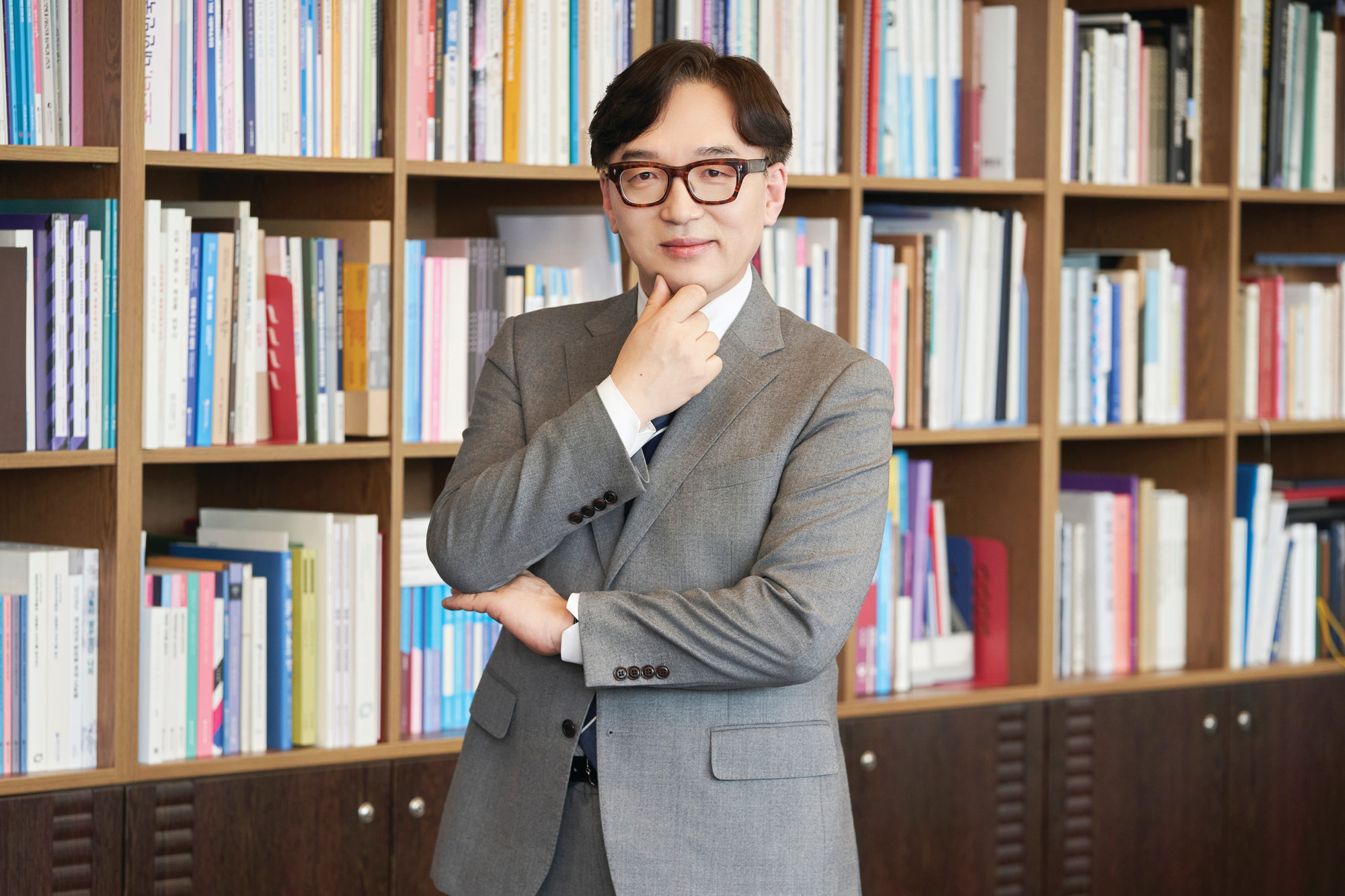
Q. This year marks the 80th anniversary of liberation. I imagine you’re preparing a special exhibition. Could you tell us about it?
To celebrate the 80th anniversary of liberation, the National Museum of Korean Contemporary History plans to display the Taegeukgi (Korean national flag) throughout the museum in August. There will be spaces exhibiting Taegeukgi flags that designated as national treasures and need to be preserved, and spaces where you can see a panorama of the 80-year history of the Taegeukgi. We aim to properly showcase the face of the Taegeukgi, which represents the lives and emotions of every Korean citizen, by examining various flags, including flags used during the independence movement and flags used for cheering at international sporting events such as the Olympics and the World Cup.
Prior to this, the National Museum of Korean Contemporary History, Cheongju National Museum, and the National Archives of Korea prepared a joint exhibition called Records, which opened on May 1. Centered on the universal emotions captured in historical records, it was aimed at revealing the history leading up to the 80th anniversary of liberation and emphasizing that this is a community memory. What makes it special is that it doesn’t end with viewing exhibits ; rather, it allows visitors to engage in two-way communication with the exhibition by documenting their own reflections as they go. We’ve prepared an enjoyable experiential exhibition where, after exploring, you can discover your relationship with Korea’s modern and contemporary history. I encourage you to visit and experience it. In addition, we will continue to showcase performances in collaboration with the National Chorus, joint exhibitions, and experiential activities until the end of the year, so please stay tuned for further updates.
Q. Visitors will be happy to enjoy both history and culture this year. Do you have any other plans?
I’d like to establish modern and contemporary history museums in different regions themed around their unique characteristics. For example, in Gwangju Metropolitan City, where the May 18 Democratization Movement took place, a history museum with the theme of “democratization,” or in Gumi, Gyeongsangbuk-do, where Korea’s first industrial complex was established, a history museum with the theme of “industrialization”—all to share modern and contemporary history in greater detail. We’re making concrete preparations this year. If this plan is realized, it will help ease the current concentration of museum visitors in Seoul and provide more opportunities for people across the country to engage with modern and contemporary history.
Q. The newsletter History Empathy aims to include new stories this year. What kind of stories would you like to see included?
As it is the only periodical focused on modern and contemporary history, I hope it includes articles and photographs that would interest both museum experts and general visitors. I also hope it introduces regional modern and contemporary history museums that cannot publish their own periodicals, and encourage visits to these regions. There are a lot of small but excellent modern and contemporary history museums in various areas. In addition, I’d like to emphasize that the National Museum of Korean Contemporary History is made possible through the efforts of numerous people. So many people continue to work diligently after all visitors have left the museum. I’d like to see pages that vividly present the voices of those who prepare research and exhibitions and those who work in security, the environment, guidance, and other areas, as they each contribute in their own way.
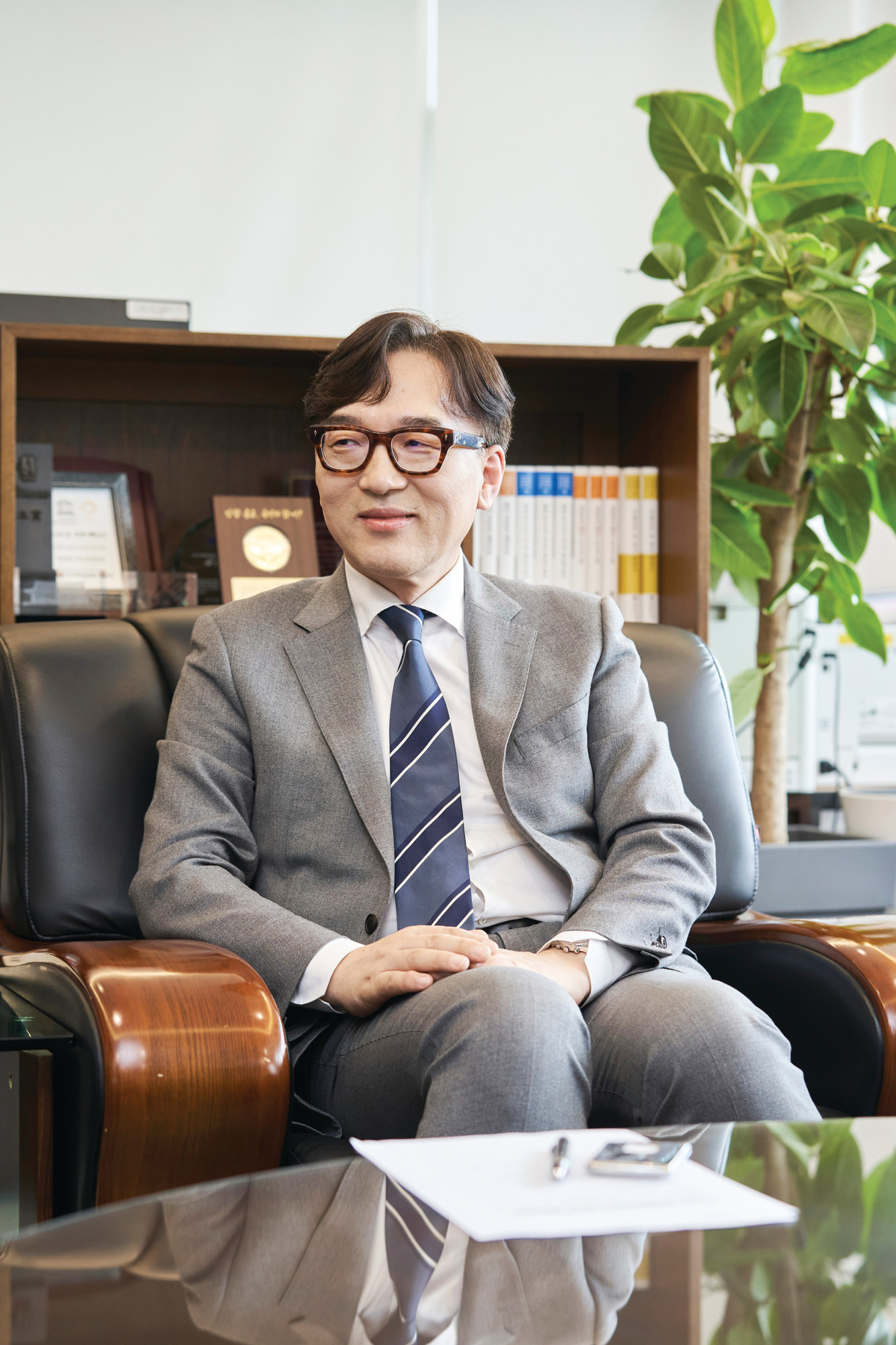
Q. Finally, is there a message you’d like to leave visitors?
There is still a prevalent perception that modern and contemporary history is dull and rigid. However, modern and contemporary history contains many fascinating stories about us. Some stories help us understand how our parents and grandparents lived and what choices they made to get to where we are. For example, one elderly visitor came to the museum on three consecutive days. When I asked why, he said he came because his father had died during the Korean War and he wanted to know about and experience that era. The exhibition brought back memories and moved him deeply. Modern and contemporary history might seem distant to young people. But someday, the time they’ve experienced will also become history, and there will come a moment of empathy. So I hope they learn to appreciate modern and contemporary history.
“History is not just about days gone by; it’s about our living stories today. I hope you’ll encounter stories of the present that touch all our lives at the National Museum of Korean Contemporary History.”
━ News from the National Museum of Korean Contemporary History ━
National Museum of Korean Contemporary History, Cheongju National Museum, and National Archives of Korea Co-host Special Exhibition 《RECORDS, MEMORY OF YOU》 for 80th Anniversary of Liberation
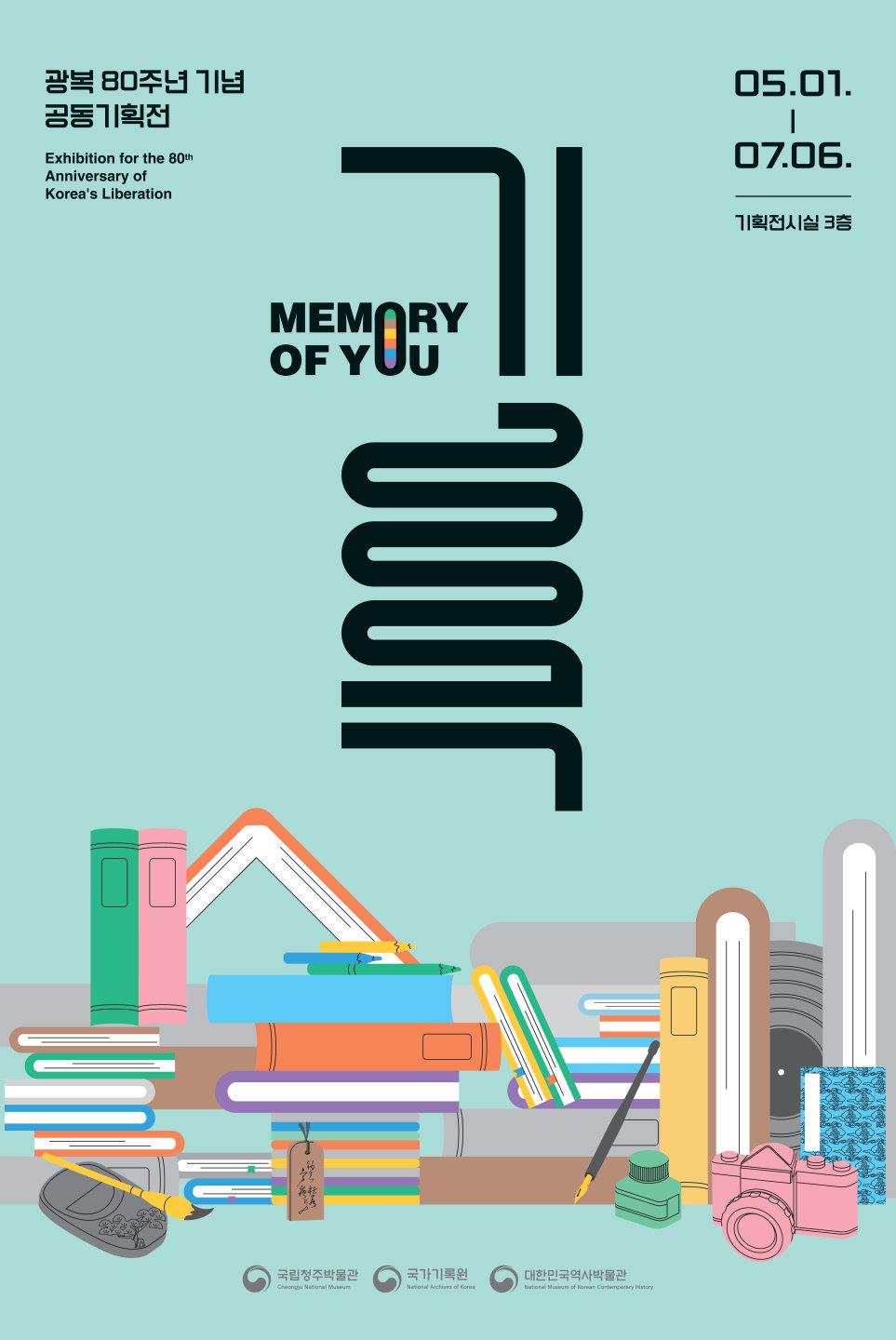
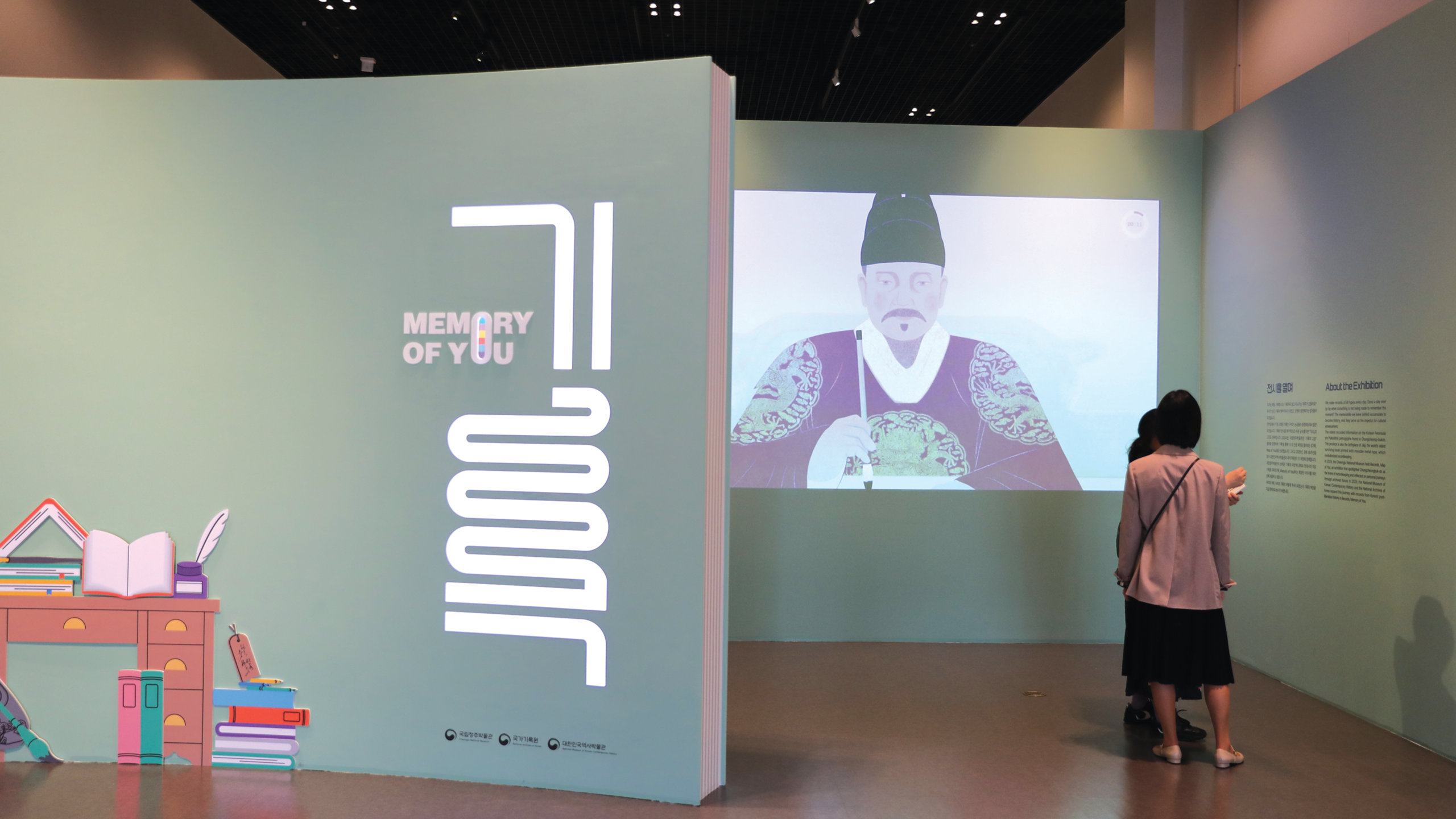
The National Museum of Korean Contemporary History, in collaboration with the Cheongju National Museum and the National Archives of Korea, is hosting the special exhibition RECORDS, MEMORY OF YOU from May 1 to July 6 in the Special Exhibition Hall on the 3rd floor of the National Museum of Korean Contemporary History. This special exhibition explores how significant moments in modern and contemporary history connect with individual lives through various records. It was explicitly designed so that visitors would empathize with emotions such as hope, sorrow, and joy contained in these records. The exhibition consists of six themes, including a prologue and epilogue, and presents visitors with approximately 100 diverse records, including diaries, literary works, and official documents.
Press Conference for 《RECORDS, MEMORY OF YOU》
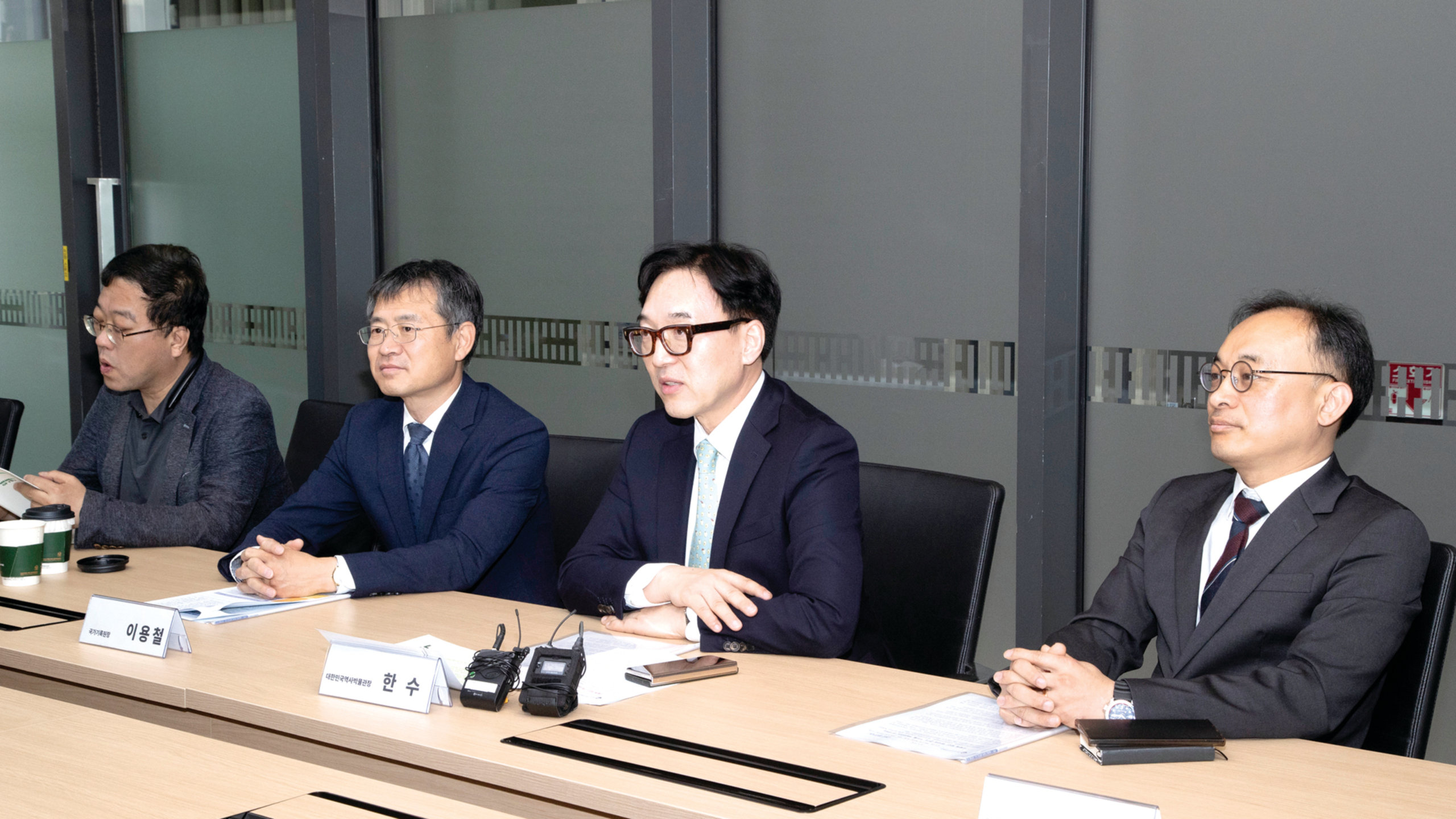
A press conference with the directors of the three participating institutions was held at 10 a.m. on April 30, just ahead of the exhibition’s opening day. In his greeting, Director Han Su expressed hope that “this exhibition will be a precious opportunity for individual lives and history to meet and empathize through ‘records.’“ Following this, Exhibition Operations Curator Lee Myung-ju gave an introduction to the exhibition.
‘The Cries of That Day, Our Voices’ Cultural Experience Event for March 1st Independence Movement Day
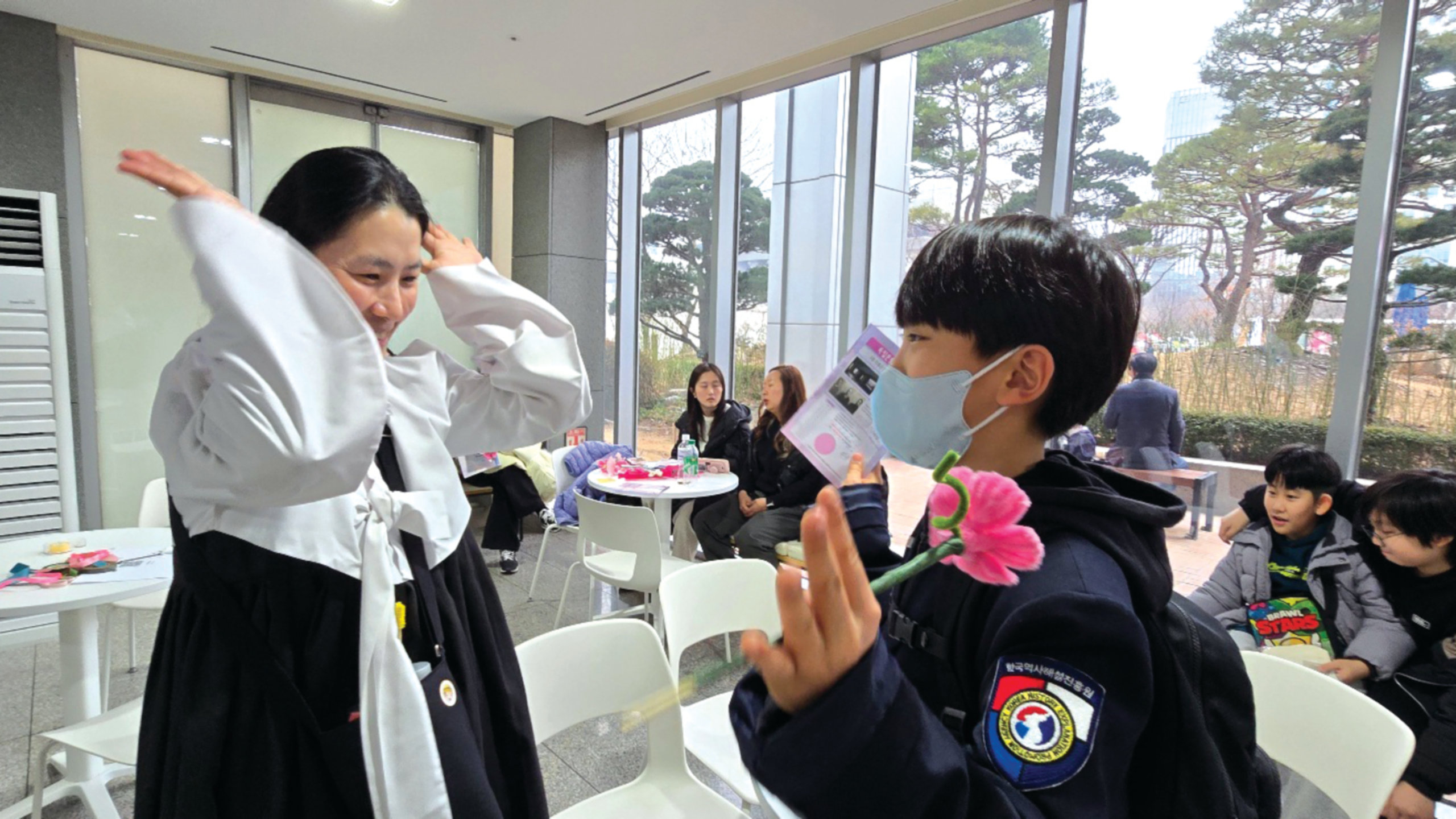
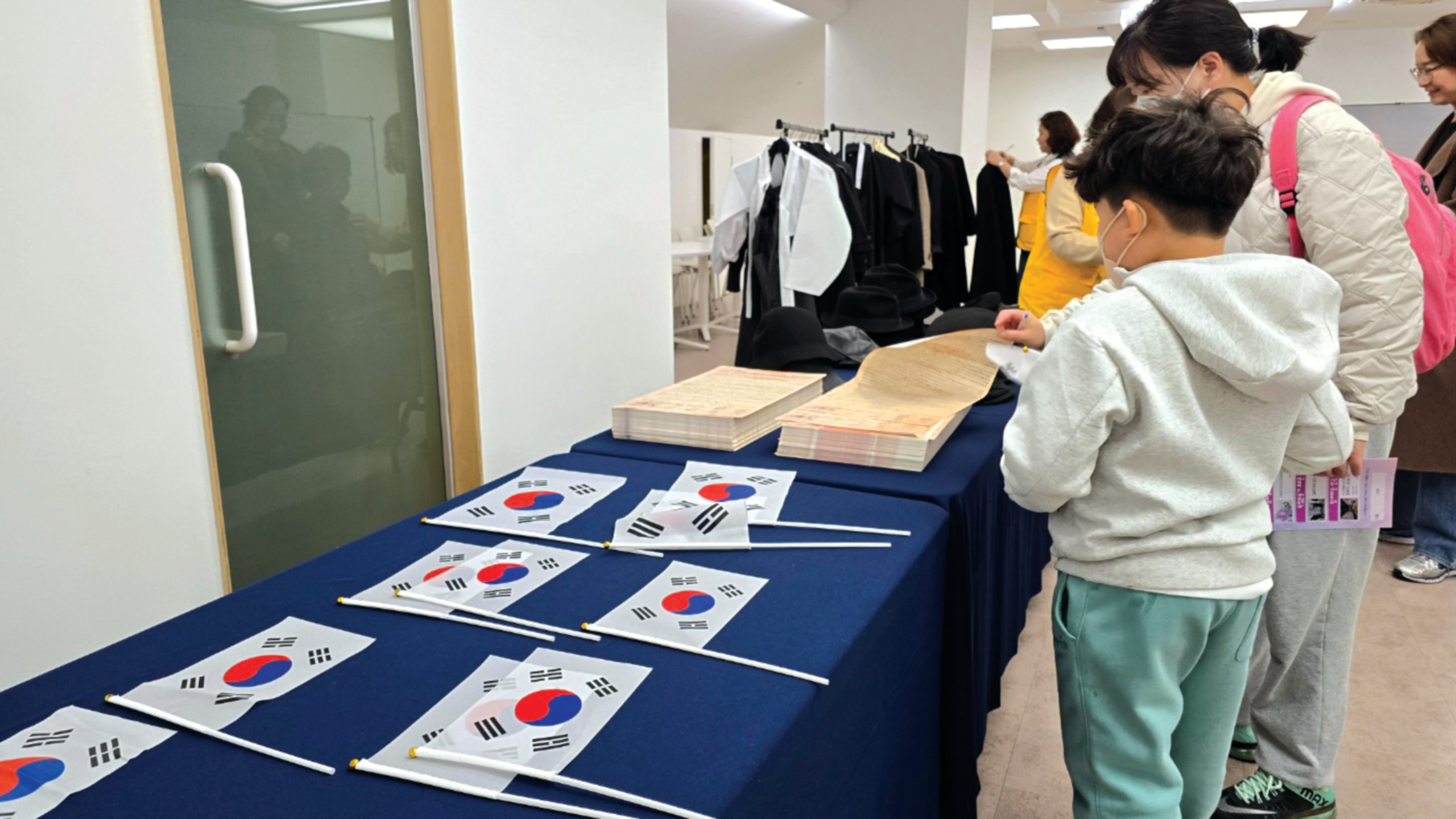
To commemorate the 106th anniversary of the March 1st Independence Movement, the National Museum of Korean Contemporary History prepared a cultural experience event, ‘The Cries of That Day, Our Voices.’ The event was held from 11 a.m. to 4 p.m. on March 1, with programs that included solving independence movement puzzles, growing mugunghwa (hibiscus) flowers, and participating in theater. This event became a meaningful occasion for children, youths, and family visitors to strengthen family bonds and share historical significance through shared experiential activities.
Joint Exhibition 《Performing Arts, Capturing the Times》 by the National Museum of Korean Contemporary History and the National Theater
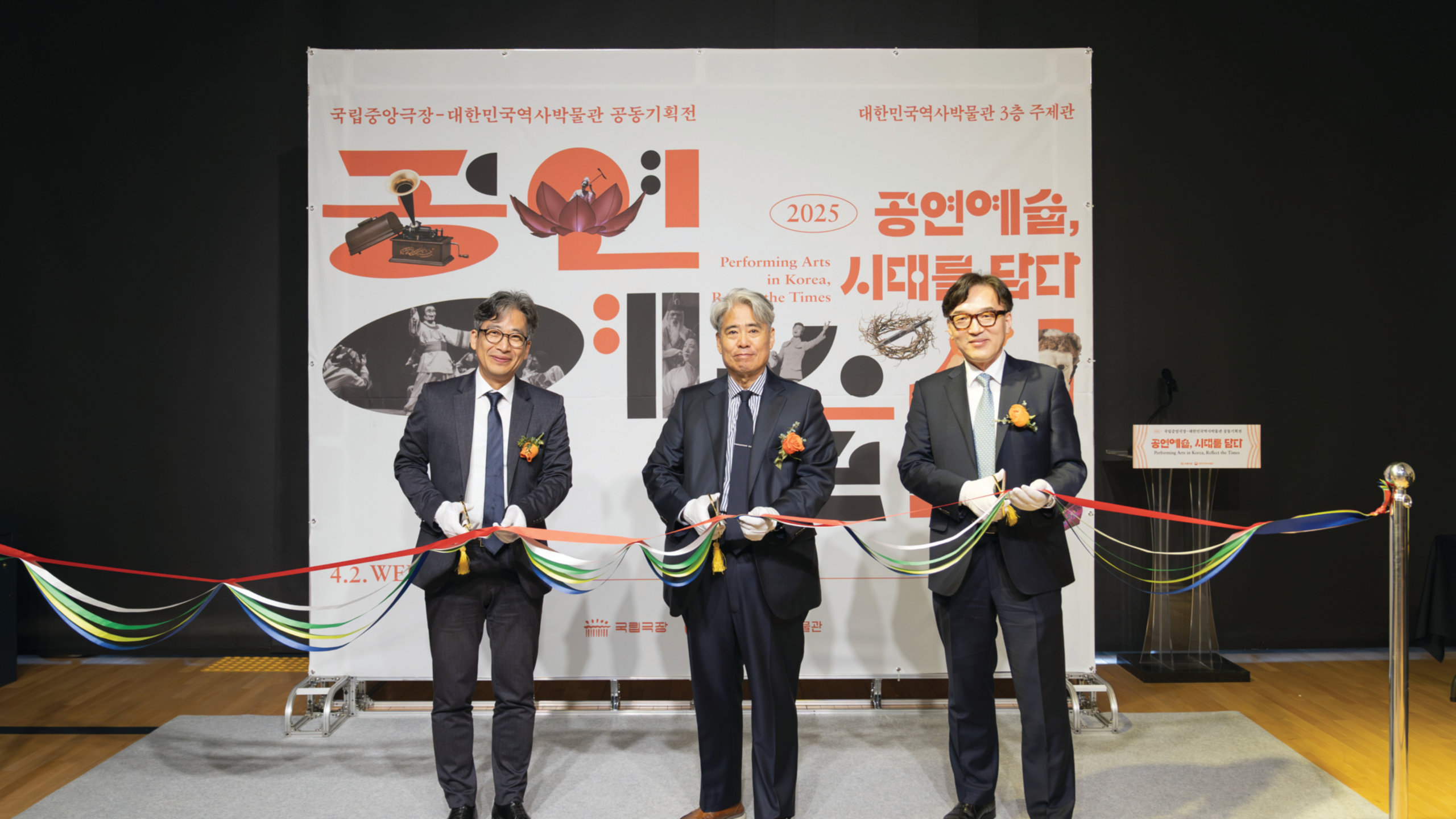
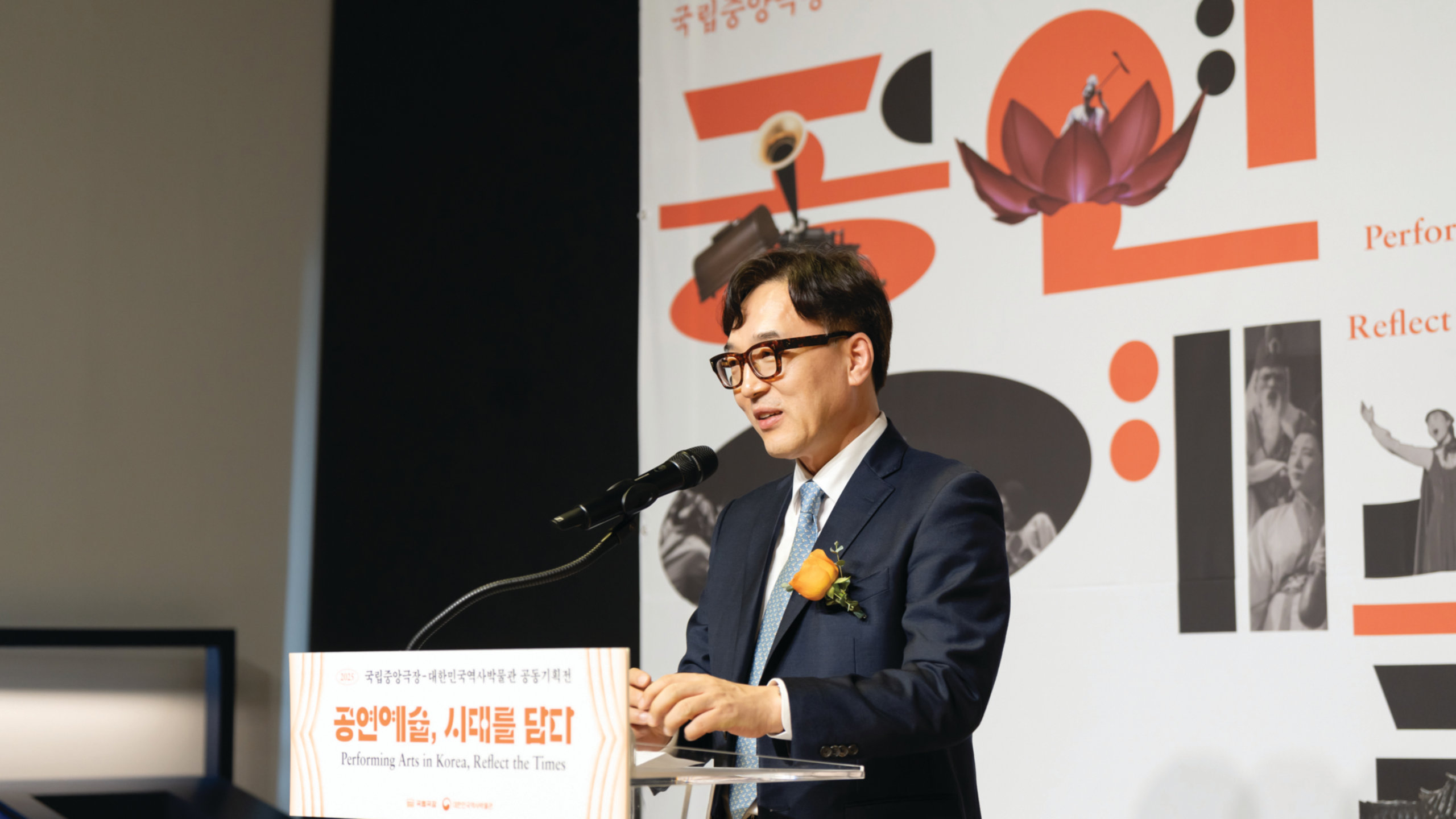
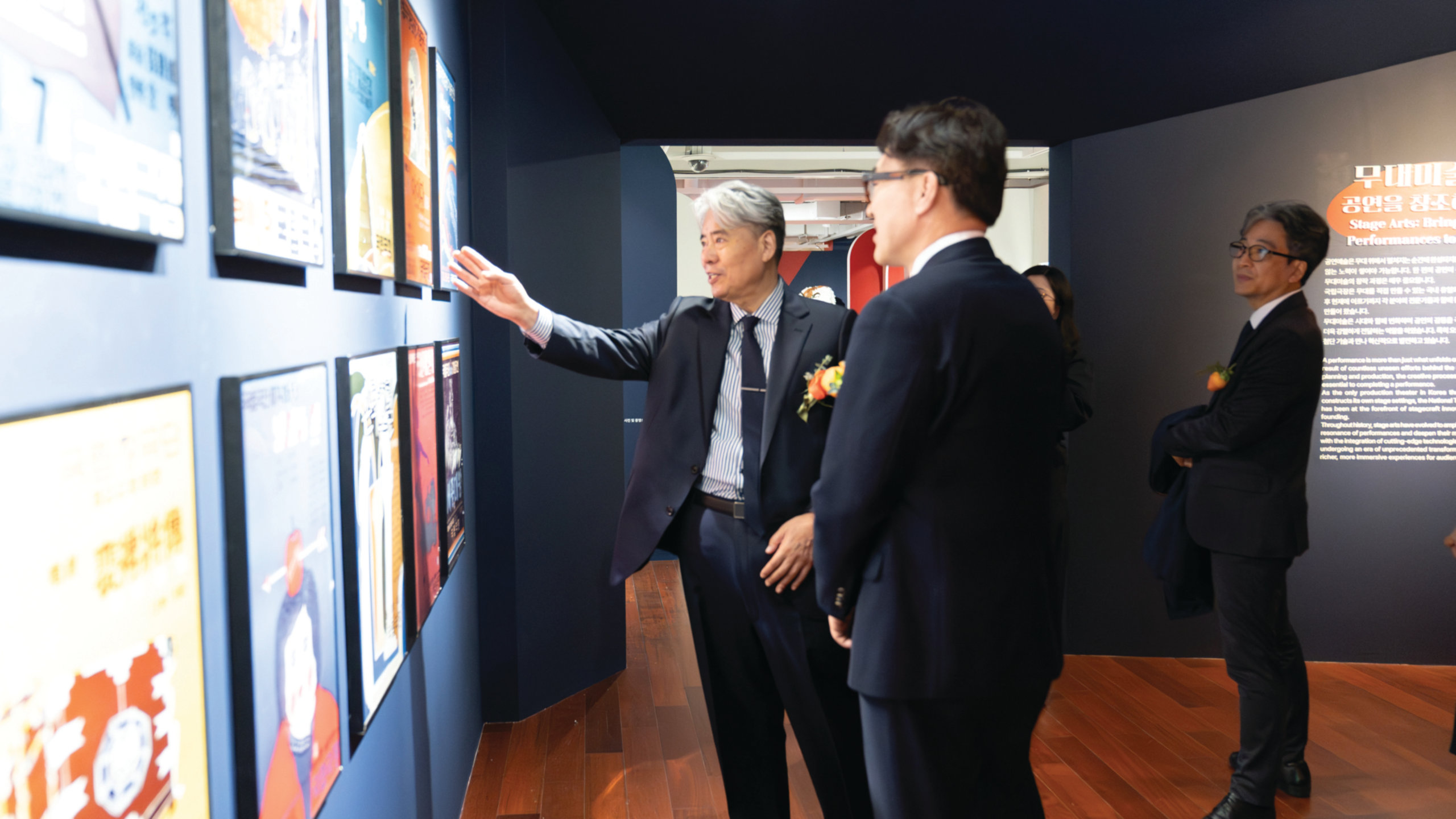
The joint exhibition 《Performing Arts, Capturing the Times》 by the National Museum of Korean Contemporary History and the National Theater of Korea opened on April 2 at the Thematic Exhibition Hall on the 3rd floor of the National Museum of Korean Contemporary History. Director Han Su of the National Museum of Korean Contemporary History and Theater Director Park In-geon of the National Theater of Korea attended the opening ceremony, adding to the event’s prestige. This exhibition, which continues until June 15, traces the flow of modern and contemporary Korean performing arts, highlighting how they have evolved and generated cultural value amid changes in the times. The exhibition is expected to provide an opportunity to reconsider the meaning and value of performing arts reflecting the times and vividly experience performing arts that will continue to breathe alongside us and build a new history.
‘Selection of Institutions for the 2025 Cooperation Network Support Project and Kick-off Workshop’ for Mutual Growth
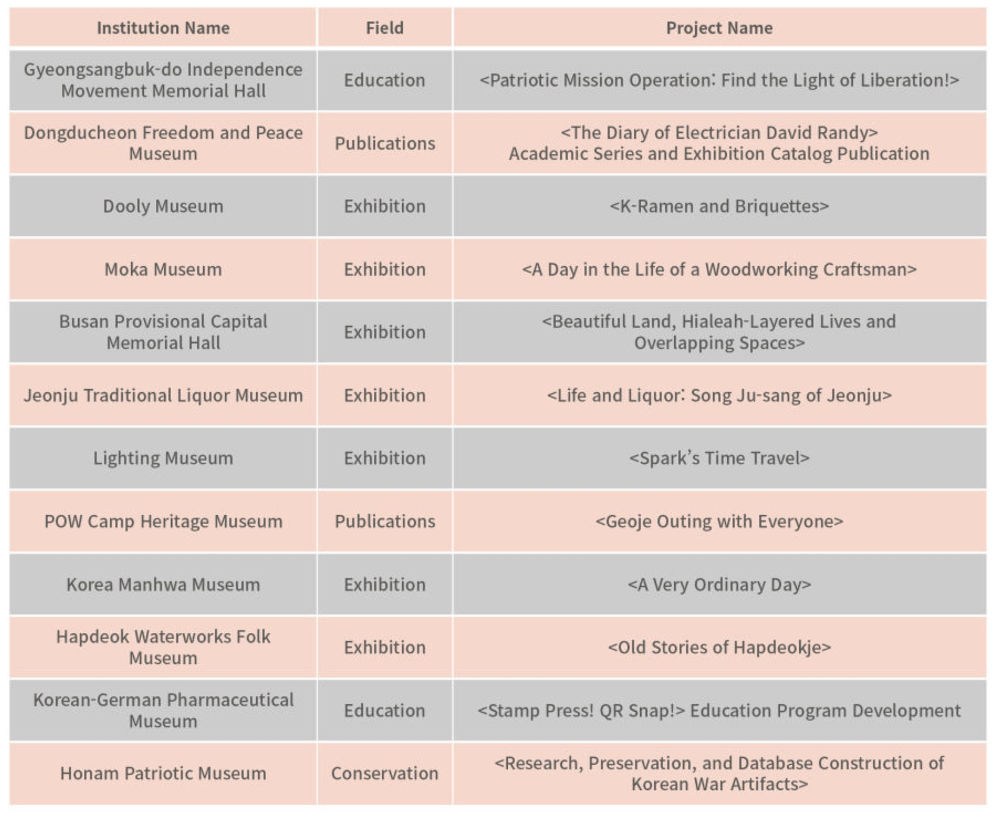
The National Museum of Korean Contemporary History held a kick-off workshop on March 18 for the 12 institutions selected for the 2025 Modern and Contemporary History Museum Cooperation Network Support Project. The workshop promoted understanding of the cooperation network support project and provided advice for executing high-quality projects.
• Selected Institutions for the 2025 Modern and Contemporary History Museum Cooperation Network Support Project
‘Democracy for All,’ First Modern and Contemporary History Colloquium of 2025
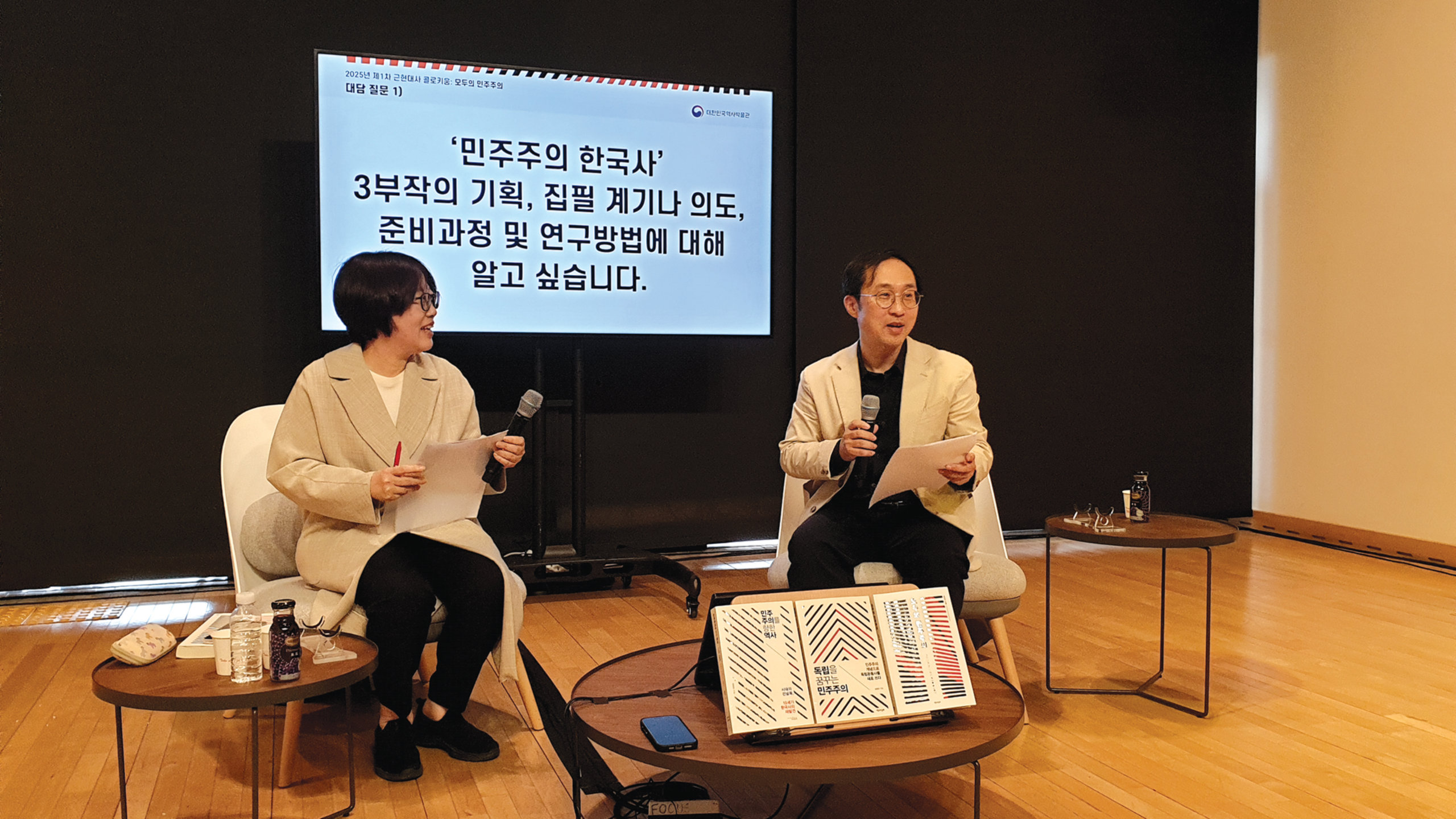
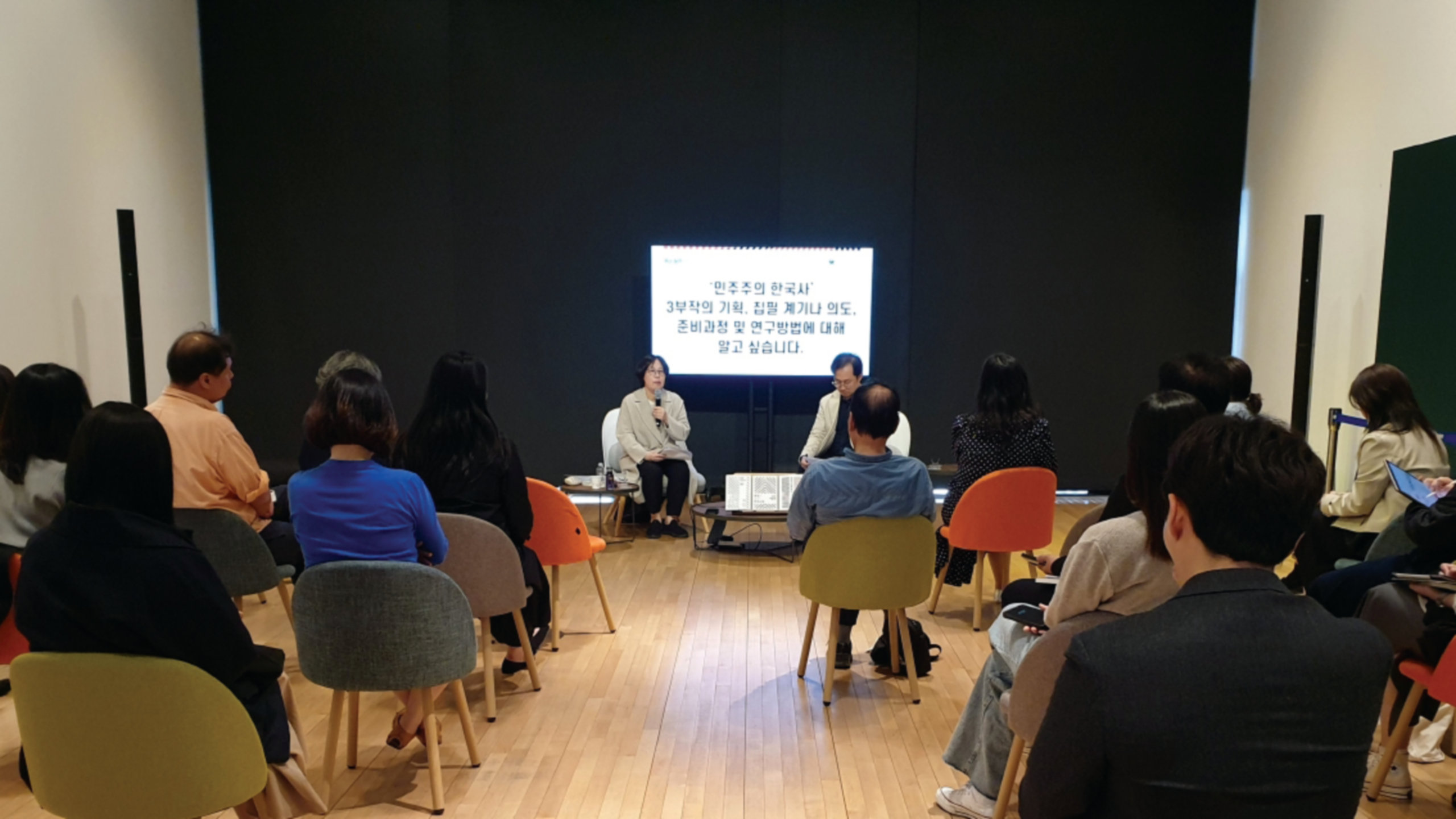
The National Museum of Korean Contemporary History held ‘Democracy for All,’ the first modern and contemporary history colloquium of 2025, at 2 p.m. on April 18 in the Multipurpose Hall on the 3rd floor of the museum. This colloquium centered on the recently published Democracy for All, part of Professor Kim Jung-in’s (Department of Social Studies Education, Chuncheon National University of Education) Democratic Korean History trilogy, which features a dialogue with Professor Oh Je-yeon (Department of History, Sungkyunkwan University) and a Q&A session with the audience. The museum plans to hold the modern and contemporary history colloquium five times in the future with the aim of discovering and sharing with the public major themes of our modern and contemporary history that have historical significance and timeliness.
‘Meet Me at Gwanghwamun!’ 2025 Cultural Sharing Experiential Education Program
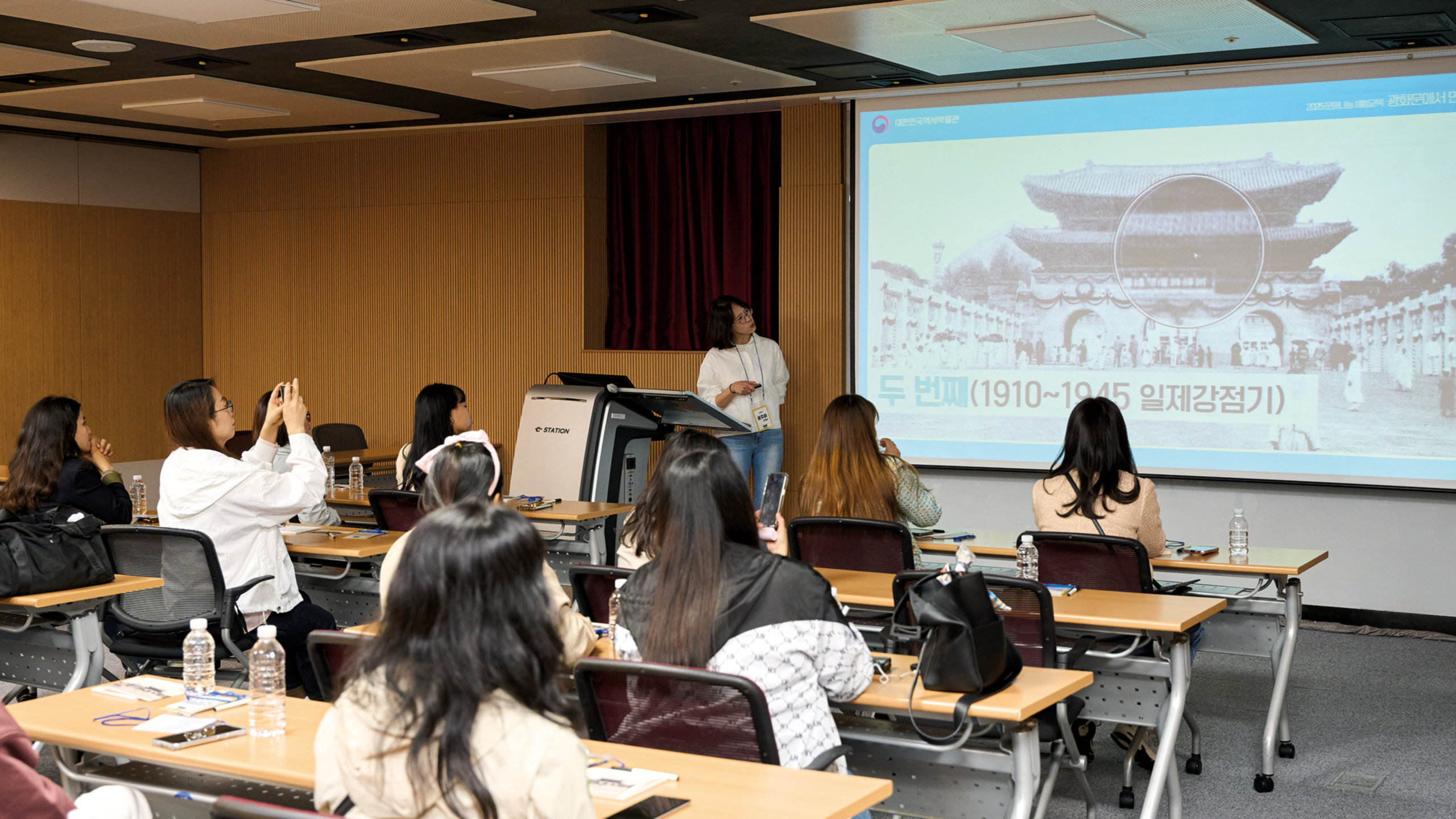
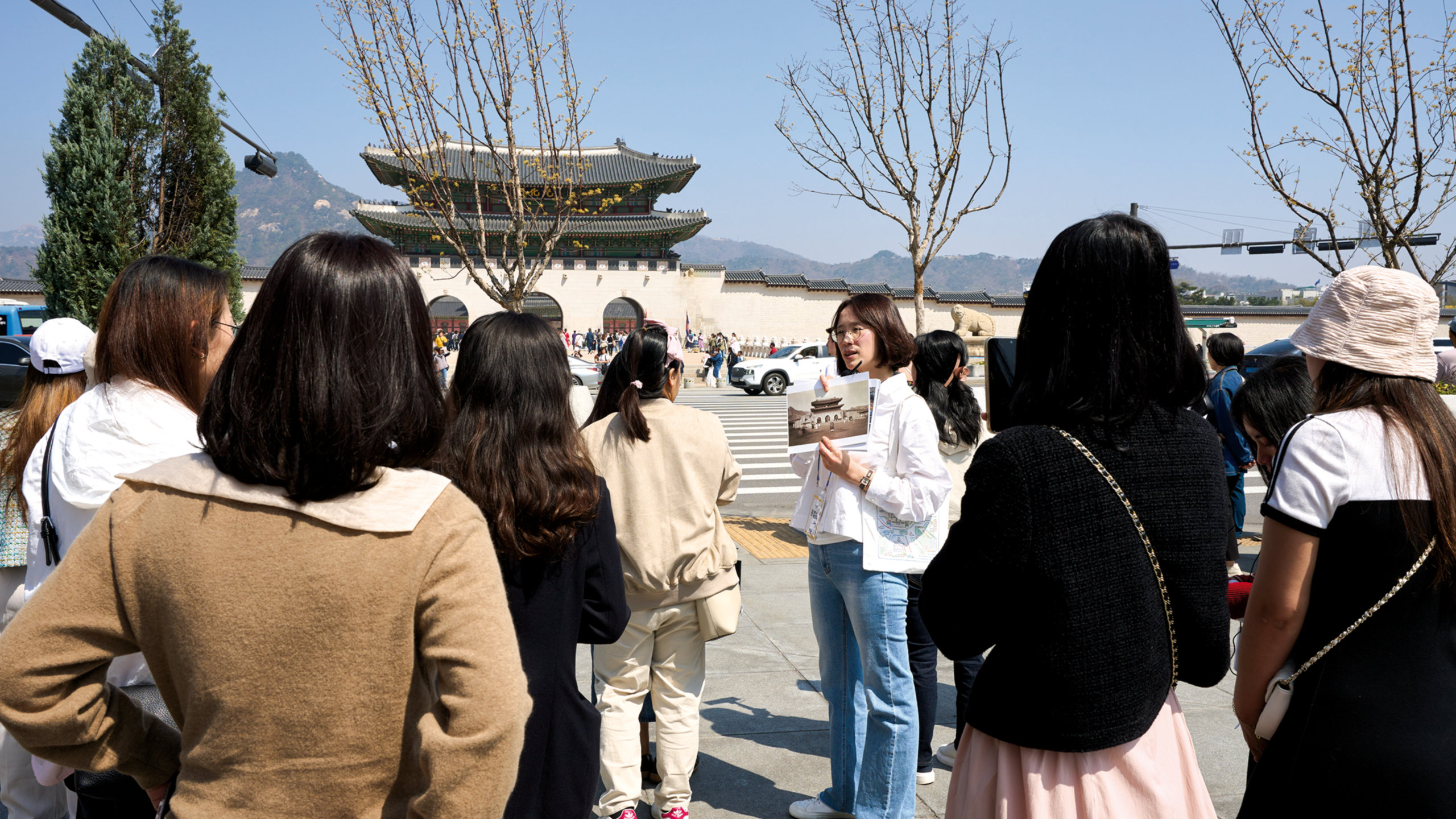
The National Museum of Korean Contemporary History operated the cultural sharing experiential education program ‘Meet Me at Gwanghwamun!’ for the multicultural center’s nationality acquisition class in three sessions on April 11, 25, and 29. This program was designed to expand access to historical and cultural experiences and promote cultural participation among culturally marginalized groups. The education included lectures on Korean modern and contemporary history, tours of Gwanghwamun Square, and museum exhibition viewing to actively help participants from multicultural backgrounds understand Korea’s modern and contemporary history.
‘Arm in Arm, All My Friends Gather Around’ Commemorative Event for Children’s Day
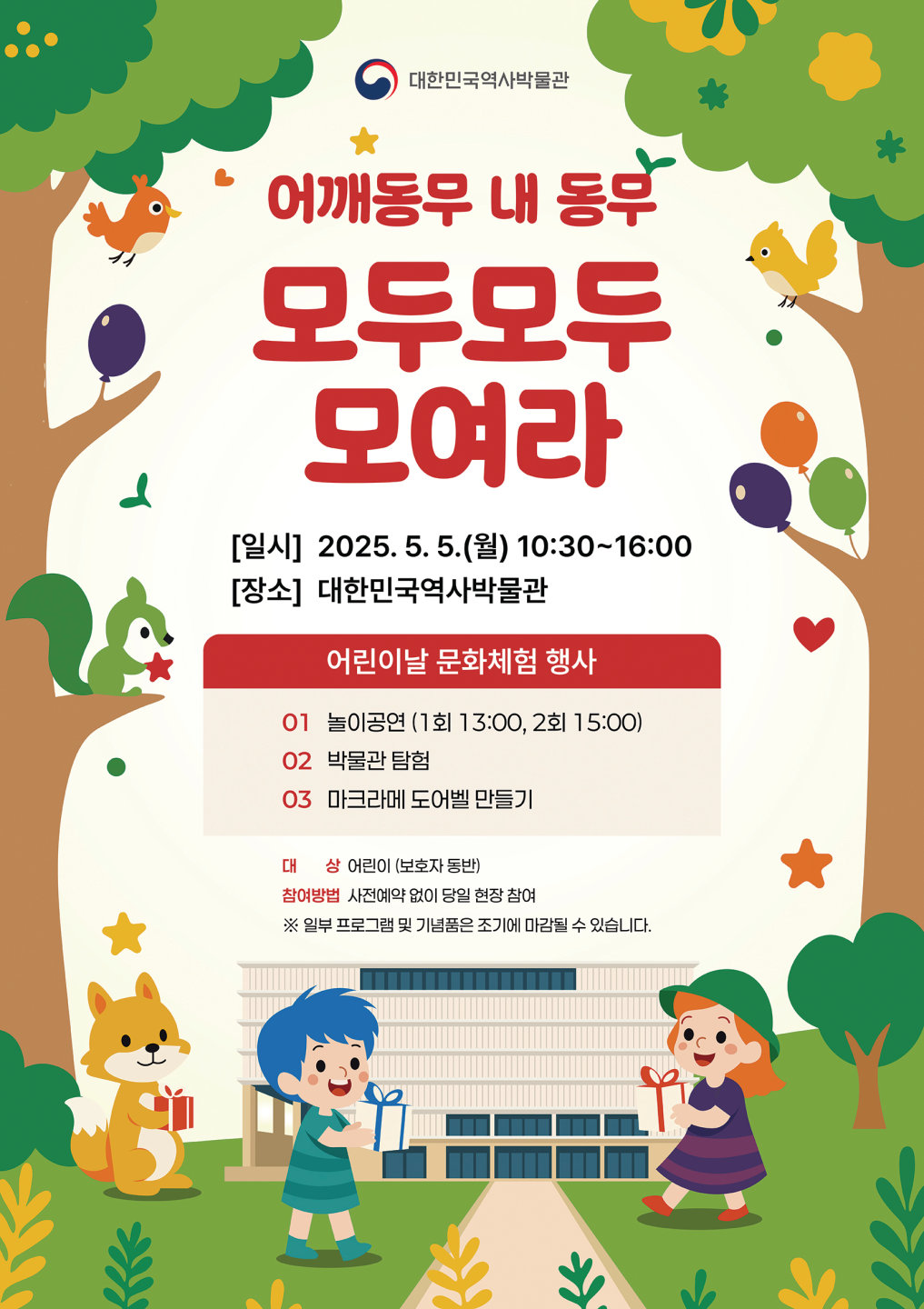
On May 5, Children’s Day, the National Museum of Korean Contemporary History held the ‘Arm in Arm, All My Friends Gather Around’ event from 10:30 a.m. to 4 p.m. The museum has prepared programs, including historical exploration (completing missions while finding materials hidden in the exhibition hall), doorbell making, and play performances, which will allow children to approach the museum and history in a friendly way.
Upcoming Events
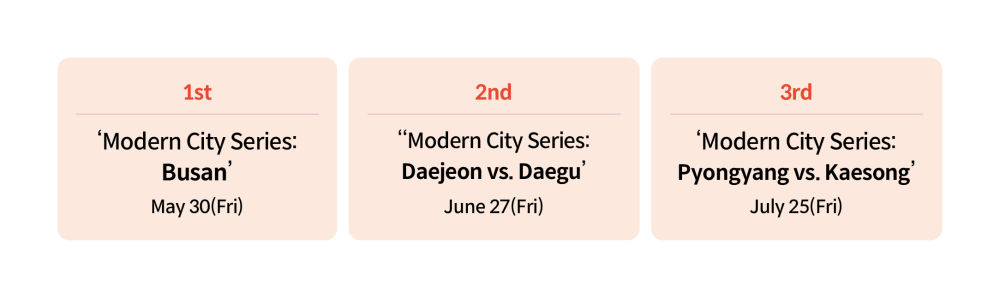
‘Modern City Series’, a Commemorative Talk Concert for the 80th Anniversary of Liberation that Introduces the Liberation Experiences and Memories of Major Cities
• Location : Multipurpose Hall, 3rd floor, National Museum of Korean Contemporary History